

Your skin is like a living sponge that’s constantly negotiating with water. When you don’t hydrate properly—inside and out—you’re more likely to see dullness, fine lines, and loss of elasticity sooner than you’d expect. The good news is, you can influence this process with precise choices: how much you drink, what you eat, and which ingredients you put on your face. To do that effectively, you’ll need to understand a few critical mechanisms first.
Key Takeaways
- Drink 2–3 liters of water daily (including teas and water-rich foods) and aim for pale yellow urine to support skin elasticity and radiance.
- Prioritize water, herbal teas, and low-sugar smoothies over sugary drinks, which dehydrate skin and dull your complexion.
- Eat hydrating, nutrient-dense foods like cucumbers, watermelon, citrus, leafy greens, and omega‑3-rich fish to nourish skin from within.
- Use gentle cleansers and layer hydrating serums with humectants, then seal with moisturizers containing ceramides and niacinamide on damp skin.
- Monitor signs of dehydration—tightness, dullness, flaky yet oily areas—and adjust your fluid intake and skincare routine promptly.
Why Hydration Matters for Youthful Skin
Hydration’s also critical for skin elasticity. Well‑hydrated dermal tissue allows elastic fibers to recoil efficiently, so your skin bounces back instead of creasing. At a cellular level, hydration influences collagen production: fibroblasts synthesize collagen more effectively in a hydrated extracellular matrix, maintaining firmness and reducing the appearance of fine lines. Since overall health influences skin health, maintaining good hydration alongside a balanced diet helps support skin moisture and a more youthful appearance.
Dehydration, in contrast, exaggerates wrinkles, dullness, and rough texture, making chronological aging changes appear earlier and more pronounced than they actually are.
How Much Water Your Body and Skin Really Need
Although you’ve probably heard the “8 glasses a day” rule, your true water needs are more nuanced and depend on body size, activity level, environment, and health status. Most guidelines suggest roughly 2–3 liters of total water intake daily for healthy adults, but that includes fluids from drinks and water-rich foods, not just plain water. To filter out hydration myths, remember your kidneys, not social media, set the safest pace. A practical approach is to drink enough that your urine is pale yellow most of the day. If you’re active, in hot climates, pregnant, or breastfeeding, you’ll typically need more. For skin, adequate internal hydration supports barrier function and elasticity, but excess water won’t “erase” wrinkles. Staying well hydrated also makes it easier to be active, and regular physical activity is strongly linked to improved overall health, better circulation, and a more vibrant appearance.
Spotting the Signs of Dehydrated Skin
Ever notice your skin feeling tight, looking dull, or showing fine lines that seem to appear overnight? These are classic signs of dehydrated skin—meaning your skin’s water content is low, even if it’s oily. You’ll often see a lack of radiance and feel increased sensitivity or roughness. Using moisturizers that combine humectants and occlusive ingredients can help reduce water loss from the skin and support a healthier, more hydrated barrier.
Key indicators to watch for include:
- Tightness after cleansing that doesn’t ease quickly, even when you’re not using harsh products.
- Fine lines and crepey texture that soften when you apply a hydrating serum or moisturizer.
- Flaky, rough dry patches that coexist with shine or breakouts, especially on the cheeks or around the nose.
- Reduced skin elasticity, where a gentle pinch on your cheek or hand snaps back more slowly than usual.
Hydrating From Within: Drinks and Foods That Boost Your Glow
When it comes to keeping skin plump and luminous, what you drink and eat often matters as much as what you put on your face. You’re aiming to support your skin’s barrier and dermal matrix from the inside out. Plain water is foundational, but low‑sugar options like herbal teas add polyphenols that help counter oxidative stress linked to dullness and fine lines. Prioritize water‑rich foods—cucumber, watermelon, oranges, and leafy greens—to provide both fluid and electrolytes that assist cellular hydration. Include healthy fats from salmon, walnuts, and flaxseeds; their omega‑3s help maintain a more supple appearance. For added skin and heart benefits, regularly enjoying omega‑3 rich foods like fatty fish, walnuts, and flaxseed can help lower cholesterol and reduce inflammation. Build fruit smoothies with berries, unsweetened yogurt, and a protein source to stabilize blood sugar; erratic glucose spikes can aggravate glycation, which stiffens collagen and ages skin’s texture.
External Hydration: Skincare Ingredients and Habits That Lock In Moisture
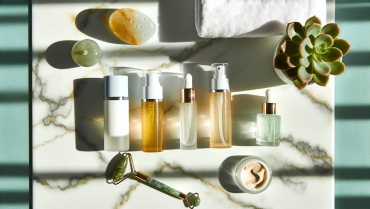
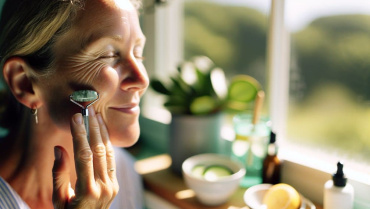
While internal hydration sets the stage for healthy skin, external hydration is what immediately determines how smooth, bouncy, and light‑reflective your face looks day to day. You’re fundamentally managing water balance in the stratum corneum, so smart moisturizing techniques matter as much as what you drink. Use a gentle, low‑pH cleanser to avoid stripping lipids that seal in moisture. Apply humectants (glycerin, hyaluronic acid) to damp skin, then seal with an emollient and an occlusive like squalane or petrolatum. Add hydrating masks 1–3 times weekly; look for ceramides, aloe, panthenol, and colloidal oatmeal to support barrier repair. Dermatologists also recommend choosing moisturizers with ingredients like niacinamide, hyaluronic acid, ceramides, and green tea to support barrier function and provide antioxidant benefits for a more youthful glow. Minimize long, hot showers and exfoliate no more than 1–2 times weekly to prevent micro‑damage and transepidermal water loss.

Add Comment