
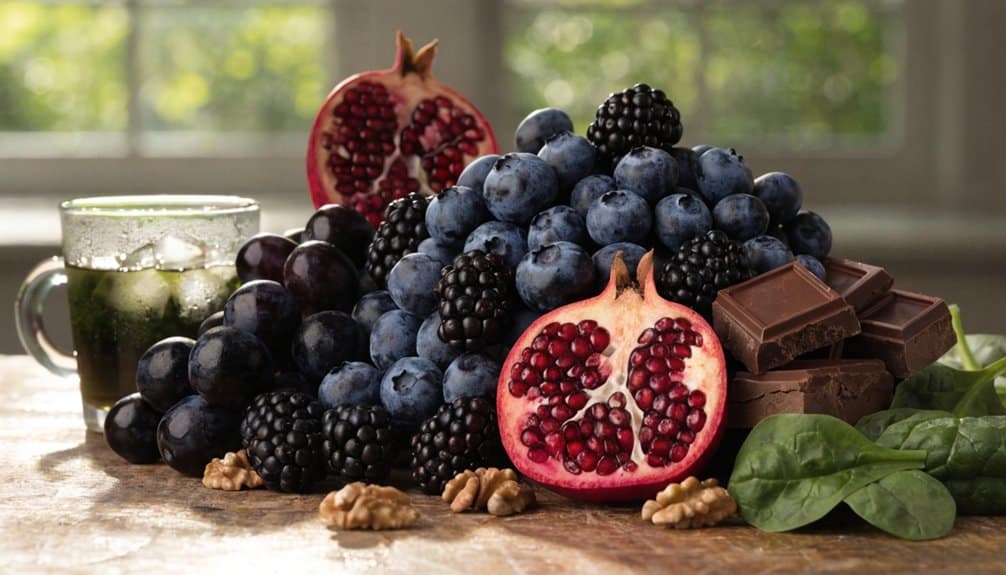
You may not realize that many plant foods influence aging at the cellular level, not just your calorie intake. Polyphenols in berries, tea, cocoa, and other plants help limit oxidative stress and chronic inflammation, two processes strongly linked with age-related decline. Research also suggests they can support vascular function, brain health, and skin resilience. The challenge is knowing which foods offer the most benefit and how to use them well.
Key Takeaways
- Polyphenol-rich foods help slow aging by reducing oxidative stress and calming chronic inflammation linked to cellular damage.
- They support mitochondria, blood vessels, and metabolic health, which helps maintain energy, circulation, and resilience with age.
- Berries, green tea, cocoa, olives, nuts, apples, and grapes are major food sources linked to healthy aging benefits.
- Polyphenols may protect brain, heart, and skin health by improving circulation, limiting collagen damage, and supporting cognitive function.
- The best approach is a varied, minimally processed plant-forward diet, using whole foods regularly instead of high-dose supplements.
What Are Polyphenol-Rich Foods?

Polyphenol-rich foods are plant foods that contain high levels of polyphenols, a broad group of bioactive compounds that help defend the plant and may also support your health through antioxidant and anti-inflammatory effects. You’ll find several classes, including flavonoids, phenolic acids, stilbenes, and lignans, across many everyday foods. Common dietary sources include berries, apples, grapes, olives, extra-virgin olive oil, cocoa, tea, coffee, herbs, spices, nuts, seeds, and legumes. In practice, choosing a varied, minimally processed plant-forward diet helps you consume a broader range of these compounds. Different foods provide different polyphenol profiles, so variety matters more than any single “superfood.” Research links higher polyphenol intake with measurable health benefits, especially when these foods replace ultra-processed options in your regular eating pattern over time. Although many of these foods score high on laboratory antioxidant tests, current evidence shows that only vitamins A, C, and E have proven antioxidant effects in the human body, while most polyphenols may act through other mechanisms such as cellular signaling.
How Do Polyphenols Support Healthy Aging?
Because these compounds show up across many everyday plant foods, the next question is how they may help you age well. Research suggests polyphenols can support cellular rejuvenation by helping regulate oxidative stress, mitochondrial function, and repair signaling. They’re also linked to inflammation reduction, which matters because chronic low-grade inflammation is associated with faster biological aging and higher cardiometabolic risk. Regular physical activity similarly supports healthy aging, and combining it with polyphenol-rich foods may further promote cardiovascular, immune, and cognitive resilience over time.
| Action | Why it matters |
|---|---|
| Antioxidant support | Helps limit oxidative damage |
| Anti-inflammatory signaling | May calm age-related inflammatory pathways |
| Vascular effects | Supports blood flow and endothelial function |
| Metabolic regulation | May improve glucose and lipid handling |
| Microbiome interaction | Can produce beneficial metabolites |
In practice, you’re not reversing age, but you may be supporting healthier aging pathways your body already uses daily.
Best Polyphenol-Rich Foods for Healthy Aging
To put polyphenols into practice, you’ll want to focus on foods with strong clinical support, including berries, green tea, and dark chocolate. Berries provide anthocyanins linked to healthier vascular and cognitive aging, while green tea supplies catechins that may help reduce oxidative stress and support metabolic health. If you choose dark chocolate, aim for minimally processed options with higher cocoa content so you can increase flavanol intake without adding excess sugar. Since many polyphenol-rich foods are also paired with healthy fats (like nuts and seeds), they can work synergistically with vitamin E’s antioxidant role in protecting cell membranes from oxidative damage as you age.
Berries For Longevity
When you’re looking for a practical way to increase polyphenol intake, berries stand out for their high levels of anthocyanins and other flavonoids linked to healthier aging. Blueberries, strawberries, blackberries, and raspberries provide compounds associated with lower oxidative stress, better vascular function, and support for brain health.
For you, the berry benefits are easiest to capture through regular intake, not extreme amounts. Longevity research suggests diets rich in deeply colored fruits are associated with better cardiometabolic markers and slower cognitive decline. Aim to add a cup of fresh or frozen berries to breakfast, yogurt, or smoothies most days. Choose minimally sweetened options, since added sugar can offset metabolic advantages. If you’re managing blood glucose, pair berries with protein or fat to improve satiety and help moderate post-meal glycemic response overall.
Green Tea Benefits
Although berries are an easy food-based source of polyphenols, green tea offers a concentrated, low-calorie way to increase intake through catechins, especially EGCG, which have been studied for their roles in reducing oxidative stress, supporting endothelial function, and helping regulate inflammation.
For healthy aging, you can use green tea strategically. Its antioxidant properties may help limit cumulative cellular damage, while catechin benefits have been linked to modest support for weight management, immune support, and digestive health. The combination of caffeine and L-theanine may also promote mental clarity without the sharper stimulation some people get from coffee, and that can aid stress reduction. For practical use, aim for one to three unsweetened cups daily, unless caffeine sensitivity, reflux, or medication interactions mean you should check with your clinician first.
Dark Chocolate Choices
Dark chocolate is another practical way to add polyphenols, especially flavanols that have been studied for supporting vascular function, insulin sensitivity, and oxidative balance.
To maximize health benefits, choose dark chocolate varieties with at least 70% cocoa and short ingredient lists. Higher cocoa content usually means more flavanols and less added sugar, which matters if you’re managing weight, glucose, or inflammation. Portion size still counts, since chocolate is calorie-dense; one to two small squares can fit well into a balanced pattern. Cocoa powder with minimal processing may offer similar advantages in oatmeal, yogurt, or smoothies. You should also watch for Dutch processing, which can reduce flavanol levels. If you’re sensitive to caffeine or migraines, test tolerance carefully. Overall, quality and moderation make chocolate a useful aging-supportive option.
How Polyphenols Help Brain, Heart, and Skin

Polyphenols may help protect your brain cells by reducing oxidative stress and inflammation, two processes linked with cognitive decline. They also support your heart by improving blood vessel function and helping maintain healthy circulation. For your skin, these compounds can help limit collagen damage from UV exposure and other environmental stressors that speed visible aging.
Brain Cell Defense
Three tissues tend to show oxidative stress early with age: the brain, the heart, and the skin. For your brain health, polyphenols offer neuroprotective properties through antioxidant effects and inflammation reduction. Research suggests they support synaptic plasticity, which matters for memory, learning, and cognitive enhancement. By limiting free-radical damage and calming inflammatory signaling, they may also promote cellular longevity and help lower risk factors linked to neurodegenerative diseases.
- You want to stay sharp for the people who count on you.
- You don’t want small memory lapses to steal your confidence.
- You can support your brain with berries, cocoa, tea, and olive oil.
- You may feel reassured knowing these foods work through measurable, clinically studied pathways.
Small choices now can help protect your future mind.
Heart Vessel Support
That same oxidative stress that can affect your brain also shows up early in your cardiovascular system, where it can damage vessel walls and impair circulation. Polyphenols may support heart health by reducing LDL oxidation, improving endothelial function, and helping nitric oxide signaling, which supports healthier blood flow and vascular resilience.
| Polyphenol action | Why it matters |
|---|---|
| Antioxidant activity | Helps limit vessel-wall damage |
| Endothelial support | Aids artery flexibility |
| Nitric oxide support | Improves circulation efficiency |
| Anti-inflammatory effects | May reduce vascular strain |
In practice, you’ll get the most benefit by regularly eating berries, cocoa, olives, green tea, and colorful produce. These foods don’t replace treatment, but they can complement exercise, blood pressure control, and a Mediterranean-style pattern. Consistency matters most over time.
Skin Aging Protection
Because your skin is constantly exposed to UV light, pollution, and normal metabolic stress, it often shows oxidative damage earlier than other tissues. Polyphenol-rich foods may help by supporting collagen, reducing inflammation, and limiting free-radical injury. Their antioxidant properties are linked with better skin elasticity and fewer visible signs of photoaging over time.
- You may notice your skin looks calmer and less dull after consistent intake.
- You can feel reassured knowing berries, cocoa, tea, and olives support protective pathways.
- You’re helping defend collagen, which matters for firmness, texture, and resilience.
- You give your skin a practical advantage against daily environmental stress.
Clinical studies suggest dietary polyphenols work best alongside sunscreen, sleep, hydration, and protein intake for stronger skin aging protection overall.
Which Polyphenol-Rich Foods Are Easiest to Eat?
When you’re choosing polyphenol-rich foods you’ll actually eat regularly, the easiest options are usually the ones that need little to no prep and fit naturally into meals or snacks. Berries, apples, grapes, olives, dark chocolate, tea, coffee, and canned beans are practical choices with research-backed polyphenol content and everyday convenience. You can keep frozen berries for yogurt or oatmeal, sip green or black tea, or add beans to soups and salads.
For easy snacks, try an apple with walnuts, grapes with plain yogurt, or a square of dark chocolate after dinner. Simple meal ideas include oatmeal with berries, salads topped with olives and beans, and grain bowls with herbs, onions, and leafy greens. If a food is accessible, familiar, and enjoyable, you’re far more likely to eat it consistently.
How to Eat More Polyphenol-Rich Foods Safely
Convenient polyphenol-rich foods are often the easiest to eat consistently, but safety still matters, especially if you’re making noticeable changes to your diet. Increase intake gradually so your gut can adapt, and choose whole foods over high-dose supplements unless your clinician recommends them. Thoughtful meal planning and simple recipe ideas can help you vary sources without overdoing sugar, caffeine, or alcohol. When adding polyphenol-rich choices, try to keep them within an overall balanced healthy diet that emphasizes fruits, vegetables, whole grains, and limited ultra-processed foods.
- Start low and slow to avoid bloating or stomach upset that can feel discouraging.
- Check medications because grapefruit, green tea extracts, or red wine may interact in harmful ways.
- Watch portions so “healthy” foods don’t crowd out protein, iron, or overall calorie needs.
- Talk with your clinician if you’re pregnant, managing kidney disease, or taking blood thinners—peace of mind matters.
Easy Ways to Add Polyphenol-Rich Foods Daily

A few simple swaps can raise your daily polyphenol intake without making meals feel complicated. Use meal prep to portion berries, cherries, and cut vegetables so they’re ready to eat. Choose breakfast additions like blueberries, cinnamon, or walnuts for oats or yogurt. Build practical snack ideas with apples, grapes, olives, or a square of dark chocolate.
For lunch and dinner, add beans, red cabbage, herbs, and seeds as salad toppings. Try smoothie recipes using berries, cocoa, and green tea. Prefer gentle cooking methods, such as steaming or light sautéing, to help preserve plant compounds. For dessert options, choose baked pears with cinnamon or plain yogurt with pomegranate. Rotate tea selections, including green, black, or hibiscus tea, since regular intake is linked with better oxidative stress markers and overall dietary variety. Including more plant-based foods as part of a sustainable dietary pattern can also benefit long-term health and reduce environmental impact.
Frequently Asked Questions
Can Polyphenols Interact With Common Medications or Supplements?
Yes, you can experience Polyphenol interactions with common medications or supplements; they may affect Medication absorption and Supplement efficacy. You should check with your clinician, since balancing risks and Health benefits depends on dose and formulation.
Are Polyphenol Supplements as Effective as Whole Foods?
Not usually—you’d likely absorb more from berries than pills; one trial found food matrices boosted polyphenol absorption. Whole foods generally outperform supplements, though supplement efficacy can help when your diet’s lacking or intake is inconsistent.
Do Cooking and Storage Reduce Polyphenol Content Significantly?
Yes, they can; your cooking methods and storage techniques matter. You’ll retain more polyphenols by steaming, microwaving, or sautéing briefly, and by minimizing heat, light, air, and prolonged storage, especially in processed produce.
How Do Polyphenol Needs Differ by Age or Gender?
You don’t have fixed polyphenol targets; age related variations and gender specific needs reflect diet quality, body size, hormones, and health. Why care? As you age, you’ll benefit most from consistently eating diverse plant foods daily.
Can Too Many Polyphenol-Rich Foods Cause Side Effects?
Yes, you can experience side effects from excessive polyphenol-rich foods; true polyphenol toxicity is rare, but digestive upset, reduced iron absorption, and supplement interactions can occur. You’ll do best by prioritizing dietary balance over high-dose intake.

Add Comment