
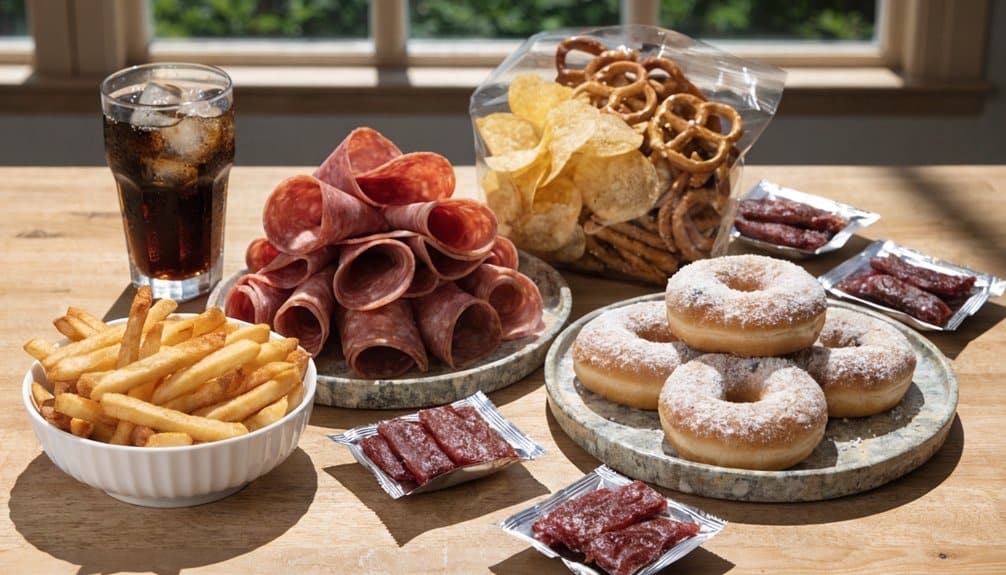
You can invest in serums and sunscreen, yet your diet may still push your skin toward earlier aging. Foods high in added sugar, refined flour, trans fats, sodium, and oxidized oils can increase glycation, inflammation, and dehydration, all of which weaken collagen and dull tone. Processed meats and alcohol can add further stress through preservatives and fluid imbalance. A few common items in your routine may be doing more damage than you think.
Key Takeaways
- Sugary foods and sweetened drinks speed glycation, which damages collagen and elastin and makes skin look duller and less firm.
- Refined carbohydrates like white bread and pastries spike blood sugar, increasing collagen damage and accelerating visible skin aging.
- Fried foods, trans fats, and repeatedly heated oils create oxidized lipids that promote inflammation and break down collagen.
- Processed meats and charred meats contain nitrates, excess sodium, and AGEs that stiffen collagen and worsen puffiness and inflammation.
- Alcohol, salty snacks, and highly processed foods dehydrate skin, increase redness and puffiness, and weaken the skin barrier.
How Certain Foods Age Your Skin

Although skin aging is influenced by genetics and sun exposure, your diet can accelerate visible changes by increasing oxidative stress, inflammation, and glycation. When you regularly eat highly processed foods, trans fats, charred meats, and excess sodium, you expose your skin to compounds that weaken collagen, disrupt barrier lipids, and increase water loss. Refined seed oils repeatedly heated at high temperatures can generate lipid peroxides, which amplify cellular damage. Processed meats may also deliver nitrates and advanced glycation end products that intensify stiffness and dullness. High-salt packaged foods can worsen puffiness and dehydration, especially if your hydration sources are limited. To counter this, you’ll want more antioxidant rich foods supplying polyphenols, carotenoids, vitamin C, and omega-3s, which help protect dermal structure and support repair over time. Following a diet rich in fruits, vegetables, and whole grains while limiting ultra-processed foods, as emphasized in healthy diet guidelines, can also help reduce the systemic inflammation that contributes to premature skin aging.
Sugary Foods That Age Skin Faster
Sugar deserves separate attention because it accelerates skin aging through glycation, a process in which excess glucose and fructose bind to proteins like collagen and elastin, forming advanced glycation end products that make skin less supple and more prone to fine lines. When you regularly eat candy, pastries, sweetened yogurt, syrups, or sugar-heavy coffee drinks, you increase oxidative stress and inflammation that can worsen uneven tone and dullness. Ingredient labels matter: sucrose, high-fructose corn syrup, dextrose, and cane juice all contribute. You don’t need complete avoidance, but dessert moderation helps limit repeated glucose spikes. When possible, choose minimally sweetened foods and practical sugar alternatives like fruit, stevia, or monk fruit to reduce total added sugar without sacrificing satisfaction or consistency overall. High intakes of added sugar are also linked with overnutrition, a form of malnutrition associated with obesity and metabolic stress that can further damage skin health over time.
Refined Carbs That Can Speed Skin Aging
When you eat refined carbohydrates like white bread, pastries, and crackers, they’re rapidly converted to glucose and can trigger sharp blood sugar spikes. Those spikes increase glycation, a process in which sugar-derived compounds bind to collagen and elastin, weakening the skin’s structural proteins. Over time, that collagen damage can make your skin look less firm, less smooth, and more prone to visible aging. Chronically high intake of refined carbs may also contribute to broader metabolic and psychological stress, and these factors are frequently seen alongside eating disorders that affect both physical and mental health.
Blood Sugar Spikes
Because refined carbohydrates are digested quickly, they can trigger sharp blood glucose and insulin spikes that promote glycation—a process in which excess sugar binds to proteins like collagen and elastin, making skin less firm and resilient over time.
When your blood sugar rises rapidly after foods like white bread, pastries, sweetened cereal, or crackers made with refined flour, insulin increases accordingly. That hormonal surge can amplify oxidative stress and low-grade inflammation, two pathways linked with uneven tone, dehydration, and reduced skin elasticity. You don’t need to fear carbohydrates, but it helps to limit fast-digesting options and choose slower-absorbing sources instead. Pairing carbohydrates with fiber, protein, or unsaturated fat can moderate glucose exposure after meals, which may support a steadier metabolic environment for healthier-looking skin over time, and improve visible texture and radiance.
Collagen Damage
Although refined carbohydrates may seem harmless, frequent intake can accelerate collagen damage by increasing glycation and oxidative stress within the skin. When you eat foods like white bread, pastries, and sugary cereals, glucose binds to collagen fibers, forming advanced glycation end products that stiffen skin and impair collagen synthesis over time.
| Refined carb effect | Skin consequence |
|---|---|
| Glycation | Weaker, less elastic collagen |
| Oxidative stress | Increased wrinkle formation |
You’ll protect dermal structure by limiting high-glycemic ingredients and choosing antioxidant sources such as berries, leafy greens, and legumes instead. These foods help neutralize reactive oxygen species and support fibroblast function. Pairing carbohydrates with protein, fiber, and healthy fats can also reduce post-meal glucose surges that intensify visible aging and inflammation.
Processed Snacks That Trigger Inflammation
While convenience makes them easy to reach for, many processed snacks can promote low-grade inflammation that shows up in skin over time. You’ll often find refined flour, added sugars, excess sodium, and industrial additives concentrated in chips, crackers, cookies, and packaged bars. These inflammatory ingredients can increase oxidative stress, disrupt glycemic control, and amplify cytokine activity, all of which may worsen dullness, puffiness, and breakouts. Because most processed snacks are low in naturally occurring antioxidant vitamins like vitamin C and E, they may offer less protection against oxidative damage that can accelerate visible skin aging.
You should also watch for emulsifiers, artificial flavors, and preservatives, which may alter gut barrier function and indirectly influence inflammatory pathways linked to skin health. Labels listing hydrogenated oils or corn syrup deserve extra scrutiny. Better snack alternatives include plain nuts, pumpkin seeds, unsweetened yogurt, or sliced vegetables with hummus, which provide fiber, minerals, and steadier metabolic effects for healthier-looking skin overall.
Fried Foods That Can Damage Skin

When you eat fried foods, you’re often consuming oils that have been repeatedly heated, which increases oxidized lipids linked to collagen breakdown and accelerated skin aging. These foods can also raise inflammatory signaling, especially when they’re rich in refined carbohydrates and degraded fats. In addition, the high grease load may worsen pore congestion in acne-prone skin by increasing sebum burden and exposure to comedogenic residues.
Oxidized Oils And Aging
Because high-heat frying repeatedly exposes oils to oxygen, light, and heat, it generates lipid oxidation products and trans fats that can intensify oxidative stress and inflammation in your skin. When you eat foods cooked in oxidized oils, you increase intake of aldehydes and polar compounds that can degrade collagen-supporting pathways and weaken skin elasticity over time.
| Source | Skin image |
|---|---|
| Reused fryer oil | Dull, tired tone |
| Deep-fried chips | Roughened texture |
| Fried chicken skin | Less bounce |
| Doughnuts | Crepey look |
| Fast-food fries | Sallow cast |
You’ll often see these fats in soybean, corn, canola, or sunflower oils repeatedly heated in commercial fryers. Choosing foods prepared with fresh, stable fats and lower-heat methods reduces exposure to these reactive byproducts and supports a smoother, firmer appearance.
Inflammation From Fried Foods
Although fried foods are known for excess calories, the bigger skin issue is the inflammatory load created by breading, repeatedly heated oils, and advanced glycation and oxidation compounds formed during high-heat cooking. These byproducts can amplify oxidative stress, disrupt collagen integrity, and increase cytokine signaling that makes your skin look dull, reactive, and less resilient.
When you regularly eat battered fries, chicken, or fried snacks, you’re also getting refined starches and unstable fats that may worsen glycemic and inflammatory pathways. Over time, that can support uneven tone and slower repair. Better fried food alternatives include baked, air-fried, or roasted options prepared with olive or avocado oil and minimal breading. Practical inflammation remedies include prioritizing omega-3 fats, colorful polyphenol-rich produce, and vitamin C sources to help counter inflammatory damage.
Grease And Pore Congestion
Even if greasy food doesn’t literally “clog” your pores from the outside, diets heavy in fried fast foods can still promote pore congestion indirectly through excess sebum production, inflammatory signaling, and impaired skin turnover. Reused frying oils generate oxidized lipids and advanced glycation compounds that can intensify comedone formation, dullness, and barrier stress. That means your pore health may suffer even when your skincare routine is consistent, and skin hydration can decline as inflammation disrupts lipid balance.
- You may notice stubborn blackheads that make your skin feel harder to trust.
- You can feel frustrated when shine and rough texture return by midday.
- You might see breakouts linger longer, leaving you discouraged about your progress.
Choosing less fried, antioxidant-rich meals helps normalize sebum, support desquamation, and maintain a clearer-looking complexion.
Processed Meats That Can Worsen Skin Aging
While convenient and high in protein, processed meats can accelerate visible skin aging through a combination of pro-inflammatory compounds, excess sodium, and advanced glycation end products (AGEs). When you eat bacon, sausage, salami, or deli meats often, nitrate preservatives and high-heat processing can intensify oxidative stress, damaging collagen and weakening skin elasticity over time. Unlike misleading anti-aging product claims, focusing on reducing processed meats is a behavior-based approach that does not rely on unproven supplements or creams.
| Processed meat factor | Skin effect |
|---|---|
| Nitrate preservatives | Increases oxidative stress |
| AGEs from processing | Stiffens collagen fibers |
| Saturated fat | Promotes inflammation |
| Heme iron excess | Amplifies free radicals |
Choose fresher proteins more often to reduce cumulative exposure.
| Frequent examples | Better option |
|---|---|
| Bacon, hot dogs, salami | Fresh poultry, beans |
That swap supports smoother texture, steadier repair, and a more resilient skin barrier over time.
Alcohol and Salty Foods That Dry and Puff Skin
Because your skin depends on balanced hydration to stay smooth and elastic, alcohol and heavily salted foods can make it look dull, tight, and visibly puffy in a short time. Ethanol increases fluid loss, while sodium shifts water into tissues, especially around your eyes.
- You may wake up looking swollen, tired, and older than you feel.
- Fine lines can seem sharper when dehydration effects reduce surface moisture.
- Your complexion can lose clarity, making healthy skin elasticity harder to maintain.
Alcohol also promotes vasodilation, which can worsen redness. Salt-heavy processed snacks, canned soups, and fast food often contain excess sodium that encourages facial edema. Over time, repeated dehydration effects may impair barrier function, leaving your skin more reactive, rough, and temporarily less resilient under everyday environmental stress and irritation.
Better Food Swaps for Younger-Looking Skin

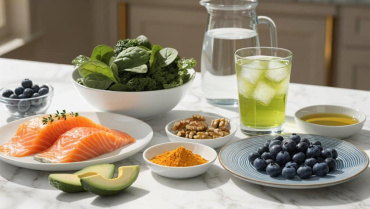
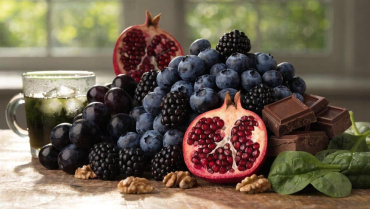
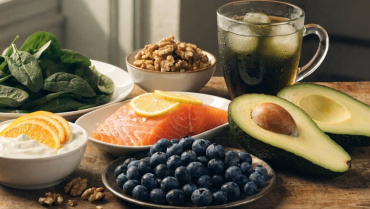
How can a few targeted swaps improve skin appearance so quickly? You can replace high-sodium snacks with potassium-rich hydrating fruits like watermelon, kiwi, and oranges, which help support fluid balance and reduce transient puffiness. Swap refined desserts for berries; their polyphenols and vitamin C help limit oxidative stress that accelerates collagen breakdown.
You’ll also benefit from replacing processed sides with antioxidant rich vegetables, such as spinach, bell peppers, and broccoli. These provide carotenoids, vitamin C, and folate that support barrier function and promote a more even tone. Instead of sugary drinks, choose plain water or green tea for hydration and catechins. Trade fried foods for salmon, walnuts, or chia, which deliver omega-3 fatty acids that may calm inflammation and improve skin suppleness over time and resilience. Adding more foods rich in monounsaturated fats, like nuts, avocado, and olive oil, can further support skin by promoting heart and blood vessel health that helps nourish your complexion.
Frequently Asked Questions
Can Supplements Help Reverse Food-Related Skin Aging?
Yes, supplements can help, but you won’t fully reverse food-related skin aging. They may support nutrient absorption, skin hydration, collagen synthesis, and antioxidant defenses, especially with omega-3s, vitamin C, zinc, and ceramides alongside dietary improvements.
Do Cooking Methods Affect How Foods Impact Skin Appearance?
Yes—like a slow flame dimming a candle, Cooking techniques change Nutrient retention and Flavor enhancement; you’ll generally get better Skin benefits from steaming or sautéing gently, since high-heat frying can increase oxidation and glycation compounds.
Can Stress Make Skin React Worse to Unhealthy Foods?
Yes, stress can make your skin react more strongly to unhealthy foods. Stress hormones amplify skin inflammation, while emotional eating increases exposure to dietary triggers like sugar, alcohol, and refined oils, worsening breakouts, redness, and barrier dysfunction.
How Long Before Dietary Changes Improve Skin Appearance?
You may notice skin changes within 4 to 8 weeks, though fuller improvement often takes 8 to 12. Your skin hydration can improve sooner, while nutrient absorption and collagen-related repair typically require more consistent dietary adherence.
Do Genetics Influence How Strongly Foods Age Your Skin?
Yes, your genetic predisposition influences how strongly foods affect skin aging; you’ll vary in glycation response, inflammation, and collagen breakdown. Still, diet quality matters because nutrients and ingredients directly support or impair your skin elasticity.
Add Comment