
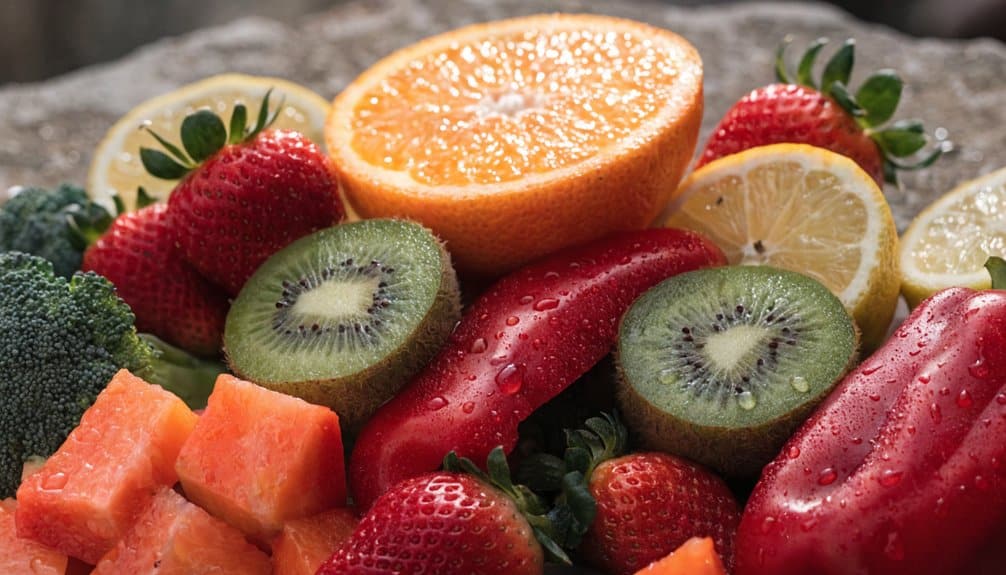
Your skin uses vitamin C in a surprisingly direct way: it’s required for collagen formation and helps limit oxidative damage during repair. If you want better healing and steadier renewal, foods like guava, kiwi, strawberries, citrus, and bell peppers can make a measurable difference. The amount you eat, how you prepare it, and which foods you pair it with all matter more than most people realize.
Key Takeaways
- Guava, red bell peppers, kiwi, strawberries, oranges, and papaya are top vitamin C foods that support skin repair and collagen production.
- Broccoli, Brussels sprouts, kale, spinach, and Swiss chard provide vitamin C plus extra compounds that help protect and renew skin.
- Vitamin C helps build and stabilize collagen, speeds tissue repair, and reduces oxidative stress that can slow skin healing.
- Eat vitamin C foods raw or lightly cooked when possible, since cooking can destroy much of their vitamin C content.
- Pair vitamin C foods with protein, zinc, healthy fats, and vitamin A sources to better support skin renewal and barrier health.
Best Vitamin C Foods for Skin Repair

Several vitamin C–rich foods stand out for skin repair because they supply the vitamin your body needs to make collagen, support wound healing, and limit oxidative stress that can slow recovery. You’ll get especially high amounts from guava, kiwi, strawberries, oranges, papaya, bell peppers, broccoli, and Brussels sprouts. Red bell peppers and guava are particularly dense sources per serving. Because cooking can significantly reduce vitamin C content in vegetables—by around 60% loss in some cases—incorporating raw or lightly cooked options can help you maintain higher intakes.
For better nutrient coverage, pair these foods with protein, zinc, and vitamin A sources, since skin renewal depends on multiple nutrients, not just one. Whole foods also provide carotenoids, polyphenols, and fiber that vitamin c serums can’t deliver. While skincare routines may include topical antioxidants, your diet still matters. Aim for variety across meals, because regular intake supports healthy vitamin C status more reliably than occasional large doses alone.
How Vitamin C Helps Your Skin Heal
At the tissue level, vitamin C helps your skin heal by serving as an essential cofactor for the enzymes that build and stabilize collagen, the protein framework that gives new skin strength. When you’re recovering from irritation, wounds, or breakouts, adequate vitamin C supports faster matrix repair and improves the integrity of newly formed tissue. Vitamin C also functions as a potent antioxidant, helping you limit oxidative stress that can delay healing and damage cell membranes. It supports barrier recovery, which helps you maintain hydration balance and reduce transepidermal water loss. Through diet, you supply internal needs for immune signaling and repair, while serum application may complement topical defense in some cases. If your intake is low, collagen synthesis, capillary resilience, and overall skin renewal can all become less efficient over time. Adequate vitamin C works alongside a balanced diet and good skin care habits to help maintain skin integrity and support healthy renewal.
Citrus Fruits for Skin Repair
You can support skin repair with citrus fruits because they provide vitamin C and other protective phytonutrients. Oranges help supply the vitamin C your skin needs for collagen formation, lemons contribute vitamin C that supports collagen synthesis, and grapefruit adds antioxidant compounds that help protect skin cells from oxidative stress. Adding these fruits to your diet can help you meet nutrient needs that support healing and skin integrity. In addition to vitamin C, ensuring adequate intake of fat-soluble antioxidants such as vitamin E further supports protection of skin cell membranes from oxidative damage.
Orange Benefits For Skin
Bright citrus can do more for your skin than add color to a fruit bowl. When you eat oranges regularly, you give your skin vitamin C, folate, potassium, and flavonoids that support repair after daily oxidative stress. In orange skincare discussions, nutrition matters most because topical citrus can irritate sensitive skin.
- Vitamin C helps your body build structural proteins needed for firmer, smoother skin.
- Hesperidin and other flavonoids help limit free-radical damage linked with dullness.
- Water and potassium support hydration balance, which affects skin texture and resilience.
- Orange juicing can raise vitamin C intake, but whole oranges add fiber that steadies glucose response.
For best results, pair oranges with protein-rich foods and varied produce, so your skin gets broader nutrient support daily too.
Lemon Collagen Support
Because collagen formation depends on adequate vitamin C, lemons can support skin repair by helping your body stabilize and cross-link new collagen fibers. This matters because vitamin C acts as a required cofactor for enzymes involved in collagen synthesis, which helps maintain skin structure during healing and renewal.
Among notable lemon benefits, one medium lemon provides modest vitamin C, while juice can add more depending on serving size. You can use lemon in water, dressings, or meals to raise vitamin C intake without much sugar. Lemons also contain small amounts of flavonoids and potassium, but vitamin C is the standout nutrient for skin support. For best results, pair lemon with a diet that also supplies protein, zinc, and copper, since those nutrients help build and repair connective tissue.
Grapefruit Antioxidant Protection
Grapefruit offers a similar vitamin C benefit, with added antioxidant compounds that may help limit oxidative stress involved in skin damage and slower repair. If you’re focused on grapefruit skin benefits, its vitamin C supports collagen synthesis, while flavonoids and carotenoids help defend cells.
- One half grapefruit provides meaningful vitamin C for tissue repair.
- Lycopene and beta-carotene may reduce free-radical damage linked to photoaging.
- Naringenin and other flavonoids contribute to grapefruit health benefits through antioxidant activity.
- Water content also supports hydration, which influences skin barrier function.
You can add grapefruit to breakfast or salads for a nutrient-dense option. However, if you take certain medications, check interactions first, since grapefruit can alter drug metabolism and affect safety, depending on the prescription and dose.
Berries for Skin Renewal

Three standout berries for skin renewal are strawberries, raspberries, and blackberries, all of which deliver vitamin C needed for collagen synthesis and protection against oxidative stress. You’ll also get fiber, polyphenols, and anthocyanins that help limit free-radical damage linked with premature skin aging. Strawberries provide especially high vitamin C per serving, while raspberries and blackberries contribute additional flavonoids that support barrier function and microvascular health. Including berries as part of a diverse, balanced eating pattern aligns with healthy diet principles that support overall skin and cardiovascular health. You can add these berries to yogurt, oatmeal, or berry smoothies to increase intake without excess added sugar. Their antioxidant power works alongside vitamin C to help protect lipids, proteins, and cellular membranes in skin tissue. For best nutrient retention, choose fresh or frozen berries with minimal processing, and eat them regularly as part of a varied, produce-rich diet for resilient, healthier-looking skin.
Tropical Fruits for Glowing Skin
When you want vitamin C from naturally sweet produce, tropical fruits like kiwi, papaya, mango, and pineapple can support brighter-looking skin by contributing to collagen formation and antioxidant defense. You’ll also get carotenoids, polyphenols, water, and fiber, which help protect cells and support repair. Think mango magic and papaya power for nutrient density with satisfying flavor. Emerging research notes that, beyond classic vitamins A, C, and E, many fruit polyphenols may act more as signaling molecules than as direct antioxidants in the body, adding another layer of potential skin-health benefits still under study.
- Kiwi delivers abundant vitamin C, supporting collagen synthesis and helping neutralize oxidative stress.
- Papaya provides vitamin C plus provitamin A carotenoids, nutrients tied to skin barrier support.
- Mango offers vitamin C and beta-carotene, a combination that supports renewal and overall skin resilience.
- Pineapple supplies vitamin C and manganese, nutrients involved in connective tissue maintenance and antioxidant enzyme activity.
Rotate these fruits through meals, smoothies, or yogurt for steady, skin-focused nourishment daily.
Bell Peppers for More Vitamin C
If you want to boost your vitamin C intake, red bell peppers are one of the most concentrated food sources you can add to your meals. You’ll get more vitamin C per serving than from many fruits, which helps support collagen production and normal skin repair. They also provide carotenoids and other antioxidants, so you’re adding multiple skin-supportive nutrients at once.
Red Peppers Benefits
Crunchy, sweet, and surprisingly potent, red bell peppers deliver more vitamin C per cup than many citrus fruits, making them one of the most efficient foods you can add to your diet for this nutrient.
A red pepper also supports skin hydration and repair through complementary nutrients:
- Beta-carotene helps defend skin cells from oxidative stress and supports healthy turnover.
- Vitamin B6 contributes to protein metabolism, which your skin needs for renewal.
- Vitamin E works with vitamin C to protect cell membranes from free-radical damage.
- Water and fiber help you stay hydrated and support gut health, which can influence skin function.
Because red peppers are low in calories and easy to eat raw or cooked, you can use them regularly to strengthen your skin-focused diet.
Vitamin C Content
Beyond their broader skin-support benefits, bell peppers stand out specifically for vitamin C content: 1 cup of chopped red bell pepper provides about 190 mg, which is more than twice the daily value and higher than the amount in a typical orange.
That makes them one of the most concentrated whole-food Vitamin C sources you can add to meals. Green peppers contain less, while yellow and orange varieties also contribute meaningful amounts. Because vitamin C is water-soluble and heat-sensitive, you’ll usually retain more when you eat peppers raw or lightly cooked. If you’re trying to meet Dietary recommendations, bell peppers can help you do that efficiently without added sugar or supplements. They also provide fiber, potassium, and carotenoids, so you’re getting a nutrient-dense option that supports overall dietary quality in a practical, versatile form.
Skin Repair Support
Bell peppers don’t just raise your vitamin C intake—they help support the skin-repair processes that depend on it. Since vitamin C is required for collagen synthesis, eating bell peppers can help your skin rebuild after everyday oxidative stress and minor barrier disruption. Their high water content also supports skin hydration, which matters for elasticity and recovery.
- Vitamin C helps enzymes stabilize collagen structure.
- Carotenoids in red peppers provide additional antioxidant protection.
- Water and potassium help maintain cellular fluid balance.
- Low calories make them easy to add consistently.
You’ll also get small amounts of vitamin A, vitamin B6, and folate, nutrients involved in epithelial maintenance and cell turnover. Raw peppers preserve the most vitamin C, so adding them to meals gives your skin efficient nutritional support daily.
Leafy Greens for Healthier Skin

Although citrus often gets the spotlight, leafy greens such as kale, spinach, and Swiss chard can also help support healthier skin by supplying vitamin C, a nutrient your body needs to make collagen and limit oxidative damage from UV exposure and pollution. If you want more from these vegetables, pair them with healthy fat to improve carotenoid absorption. Among spinach benefits, you’ll get folate, beta carotene, and lutein, which help support cell turnover and barrier function. Kale nutrition stands out for vitamin C, vitamin A precursors, and vitamin K, while Swiss chard contributes magnesium and polyphenols that help counter everyday oxidative stress. Rotating these greens in salads, soups, or smoothies can help you consistently meet nutrient needs that support repair, resilience, and a healthier-looking complexion over time. Choosing leafy greens as part of a plant-based diet also supports more sustainable eating patterns that benefit both your skin and the environment.
Cruciferous Vegetables for Skin Support
When you include cruciferous vegetables like broccoli, Brussels sprouts, cauliflower, and cabbage, you’ll add vitamin C plus sulfur-containing compounds that help support your skin’s antioxidant defenses and normal detoxification pathways. Consistent meal times can also help stabilize energy and support overall dietary balance, which indirectly benefits skin health and repair.
- Vitamin C supports collagen synthesis, helping you maintain skin structure and repair.
- Glucosinolates break down into bioactive compounds that support cellular defense systems.
- Fiber helps regulate glycemic response, which may indirectly benefit inflammatory skin pathways.
- Folate and vitamin K contribute to overall tissue health and balanced skin nourishment.
These cruciferous benefits matter because oxidative stress can accelerate visible skin aging. You’ll also get carotenoids and polyphenols that complement vitamin C activity. Choosing a range of cruciferous vegetables broadens your nutrient exposure and supports resilient, well-nourished skin over time.
Easy Ways to Get More Vitamin C
Simple habits can make it much easier to meet your vitamin C needs throughout the day. Add berries or kiwi to breakfast, keep citrus visible, and use bell peppers in lunches for steady intake and stronger collagen support. Try smoothies recipes with strawberries, orange, and yogurt after exercise.
| Habit | Food | Benefit |
|---|---|---|
| Breakfast | Kiwi | Collagen |
| Snack | Orange | Antioxidants |
| Lunch | Peppers | Skin repair |
| Dinner | Broccoli | Cell renewal |
Because vitamin C is water-soluble and not stored well, spreading intake across meals may improve adequacy. Light cooking preserves more than prolonged boiling. If your diet is limited, vitamin c supplements can help, but foods also provide fiber, carotenoids, and flavonoids that support wound healing and healthy skin turnover. Vitamin C–rich meals that include some healthy fats can also enhance absorption of fat‑soluble vitamins A, D, E, and K that support skin health. Choose fresh produce daily whenever possible.
Frequently Asked Questions
Can Too Much Vitamin C Cause Skin Irritation or Breakouts?
Yes—coincidentally, if you’re noticing stinging or pimples, too much Vitamin C can trigger Skin Sensitivity or breakouts. You’ll want Dosage Recommendations, since Individual Reactions vary; higher concentrations more often irritate, especially in sensitive skin.
Do Vitamin C Supplements Work as Well as Whole Foods?
Yes—you’ll usually absorb vitamin C supplements well, but they don’t fully match whole foods. Natural sources provide fiber, flavonoids, and cofactors that may enhance supplement absorption, support nutrient synergy, and improve overall health benefits.
Which Cooking Methods Preserve the Most Vitamin C?
You’ll preserve the most vitamin C by eating raw fruits and using steaming vegetables briefly; microwaving also helps. You should avoid prolonged boiling, since heat, water, and time together can greatly reduce this nutrient.
Can Smoking Reduce Vitamin C Levels Needed for Skin Repair?
Yes—how “helpful” smoking is: it depletes your vitamin C faster, increasing oxidative stress and impairing collagen formation needed for Skin health. You’ll likely need more Vitamin C sources to support wound healing and skin repair.
Are There Medications That Affect Vitamin C Absorption?
Yes, you can experience Vitamin C absorption effects from certain drugs; some antacids, aspirin, oral contraceptives, and chemotherapy may alter levels. You should review medication interactions and dietary influences with your clinician to optimize status.

Add Comment