
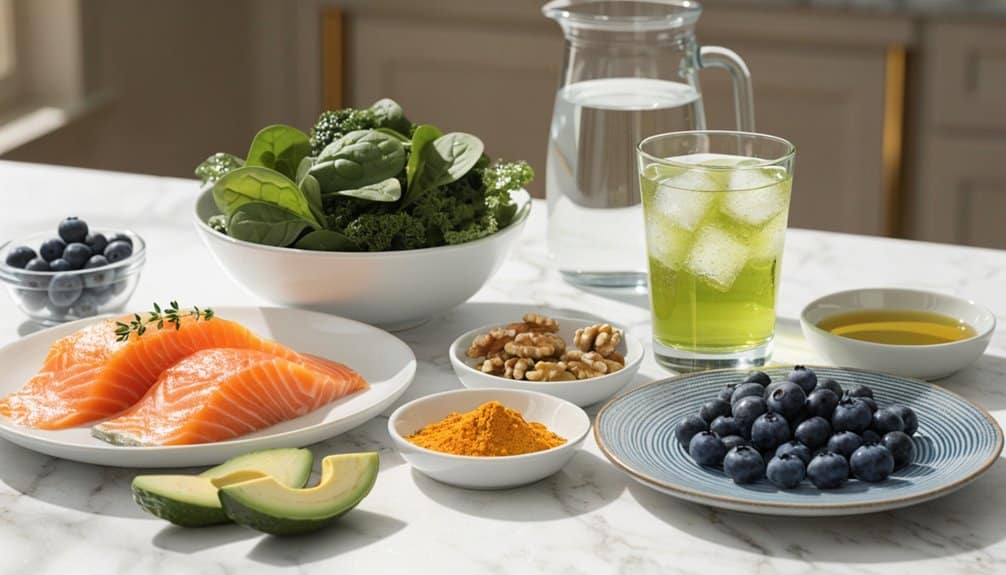
Your plate works like a quiet repair crew, helping your skin and body handle the wear of time. When you build meals around antioxidant-rich produce, lean protein, healthy fats, and hydrating foods, you support collagen, reduce inflammation, and improve overall resilience. Just as important, cutting back on ultra-processed foods and excess sugar can limit damage that shows up on your skin. A few smart shifts can change more than you’d expect.
Key Takeaways
- Build each meal with half colorful produce, a quarter lean protein, and a quarter high-fiber whole grains.
- Include collagen-supporting proteins like fish, eggs, Greek yogurt, tofu, or chicken, paired with vitamin C-rich foods.
- Add healthy fats such as salmon, walnuts, chia seeds, and olive oil to support hydration and reduce inflammation.
- Prioritize antioxidant-rich foods like berries, citrus, leafy greens, and tomatoes to help protect skin from oxidative damage.
- Stay hydrated with water-rich foods and regular fluids, while limiting highly processed snacks, excess sodium, and alcohol.
How an Anti-Aging Meal Plan Helps Skin

Because your skin is constantly exposed to UV light, pollution, and normal metabolic stress, an anti-aging meal plan can help by supplying the nutrients it needs to repair and protect itself. You support collagen formation with vitamin C, zinc, and protein, while omega-3 fats help calm inflammation that can accelerate visible aging. Foods rich in carotenoids and polyphenols also help limit oxidative damage linked to fine lines and uneven tone. You also improve skin hydration when you eat water-rich produce and enough healthy fats, which support the skin barrier. A varied, nutrient-dense diet strengthens nutrient absorption by pairing fat-soluble compounds, like carotenoids and vitamin E, with dietary fat. Over time, these daily choices can help your skin look smoother, firmer, and more resilient, inside and out. In addition to supporting your complexion, an anti-aging meal plan can reinforce stronger immunity and long-term health, reflecting the close link between nutrition, disease prevention, and overall well-being.
Build a Balanced Anti-Aging Plate
To put those skin-supportive nutrients into practice, build your anti-aging plate around balance: fill half with colorful vegetables and fruit for fiber, vitamin C, carotenoids, and polyphenols; reserve a quarter for protein such as fish, beans, eggs, yogurt, or tofu to support collagen and muscle maintenance; and use the remaining quarter for high-fiber carbohydrates like oats, quinoa, sweet potatoes, or brown rice for steady energy and blood sugar control. While colorful plants supply a wide mix of polyphenols, the only compounds with proven in‑body antioxidant effects so far are vitamins A, C, and E, which you can reliably get from a variety of vegetables, fruits, nuts, and oils.
| Plate part | Choose | Benefit |
|---|---|---|
| Half | Greens, berries | Antioxidants, fiber |
| Quarter | Yogurt, beans | Satiety, repair |
| Quarter | Oats, quinoa | Stable glucose |
This structure improves nutrient density without overcomplicating meals. You’ll also get meal variety by rotating produce colors and whole grains across the week. That keeps micronutrient intake broad and supports healthier skin, energy, and aging.
Choose Protein That Supports Collagen
To support collagen production, you’ll want protein sources that supply key amino acids like glycine, proline, and lysine, such as fish, eggs, poultry, dairy, and bone broth. Lean options can also help you meet protein needs without excess saturated fat, which makes them practical for an anti-aging meal plan. You can build simple meals around salmon, Greek yogurt, chicken breast, or eggs to support skin structure and overall tissue repair. For additional support, you can pair your collagen-focused meals with anti-aging skin care and supplements from a brand that specializes in both.
Collagen-Boosting Protein Sources
Protein quality matters when your goal is healthier skin and connective tissue. To support collagen synthesis, build meals around nutrient-dense proteins that also deliver minerals and vitamins involved in tissue maintenance. You don’t need exotic foods; you need consistency, protein variety, and smart pairings with produce.
- Fish like salmon and sardines provide protein plus omega-3s, which help manage inflammation that can affect skin.
- Eggs offer high-quality protein and nutrients such as selenium and biotin that support overall skin health.
- Greek yogurt, cottage cheese, chicken, and tofu make practical options for steady protein intake throughout the day.
Aim to include a protein source at each meal, rotating animal and plant options. That approach helps you cover more nutrients while keeping your anti-aging meal plan balanced, realistic, and sustainable long term.
Amino Acids For Skin
Because collagen is built from specific amino acids, the proteins you choose can directly influence how well your body supports skin structure and repair. Glycine, proline, and lysine are especially important because they help form collagen fibers that keep your skin firm, resilient, and better able to recover from daily stress.
To maximize Amino Benefits, focus on protein quality, not just total grams. Complete proteins provide the essential amino acids your body can’t make, while lysine and proline are particularly relevant for collagen turnover. Glycine also supports connective tissue integrity. For effective Skin Repair, pair adequate protein intake with vitamin C-rich foods, since vitamin C helps convert these amino acids into stable collagen. When you consistently meet protein needs, you’re giving your skin the raw materials it needs to maintain strength, elasticity, and recovery.
Lean Protein Meal Ideas
While no single food can stop skin aging, choosing lean proteins that supply collagen-supporting amino acids can make your meals more useful for repair and maintenance. You’ll get the most benefit by pairing protein with vitamin C, zinc, and omega-3 fats across the day.
- Try grilled chicken with quinoa salad for complete protein, iron, and fiber.
- Choose baked salmon, shrimp tacos, or tofu stir fry to add omega-3s, selenium, or calcium.
- Rotate lentil soup, turkey wraps, and chickpea curry for protein variety and steady energy.
This approach helps you cover glycine, proline, and lysine needs while keeping saturated fat in check. If you build meals this way, you’ll support skin structure, immune function, and overall recovery without relying on expensive powders or restrictive plans.
Add Healthy Fats for Smoother Skin

Adding healthy fats helps your skin hold moisture and may reduce inflammation, especially when you get enough omega-3s. You’ll find the best options in salmon, sardines, walnuts, chia seeds, flaxseeds, avocado, and extra-virgin olive oil. To keep your daily fat balance on track, aim to include these fats regularly while limiting heavily processed sources. For added benefits, focus on omega-3–rich foods like salmon, walnuts, flaxseed, and chia seeds, which can support heart health and help lower cholesterol levels.
Omega-3s For Skin
A few servings of omega-3-rich foods each week can help keep your skin smoother by supporting the lipid barrier that locks in moisture and helps calm irritation. Research links omega 3 benefits to reduced dryness, less redness, and improved resilience, especially when your overall diet is balanced.
- Aim for two weekly servings from trusted omega 3 sources to support skin structure.
- If intake is low, discuss omega 3 supplementation with your clinician for a practical backup.
- Use simple omega 3 recipes so you’ll stay consistent without overthinking meals.
You’ll get the most visible payoff when omega-3s complement protein, colorful produce, and steady hydration. That combination helps manage inflammation, supports cell membranes, and gives your skin the raw materials it needs to stay comfortable, supple, and stronger daily.
Best Healthy Fat Sources
Omega-3s are one part of the picture, but your skin also benefits from a wider mix of healthy fats that help maintain softness, elasticity, and moisture retention. You’ll get avocado benefits from monounsaturated fats plus vitamin E, while olive oil adds polyphenols that support skin against oxidative stress.
Choose fatty fish for omega-3s and protein, then rotate nut varieties for minerals like zinc and selenium. Chia seeds offer fiber and alpha-linolenic acid, and flaxseed benefits include lignans that may help protect collagen. Seeds benefits also include copper and vitamin E, both useful for skin structure. Use nut butter for a convenient snack, and small amounts of grass fed butter or coconut oil can add flavor. Prioritize whole-food fat sources most often for better skin health.
Daily Fat Balance
Because skin relies on a steady supply of dietary fat to maintain its barrier, daily fat balance matters just as much as the specific foods you choose. Spread healthy fats across meals so you support moisture retention, reduce inflammation, and improve fat absorption of vitamins A, D, E, and K for skin repair.
- Add avocado or olive oil at lunch for monounsaturated fats.
- Include salmon, sardines, or walnuts for omega-3 support.
- Pair nuts or seeds with vegetables to boost carotenoid uptake.
Aim for varied daily fat sources instead of loading one heavy meal. That steadier intake helps your body use essential fatty acids efficiently, which may support smoother texture and less dryness. You don’t need extremes; consistent, moderate portions from whole foods usually work best for long-term skin and overall health.
Eat More Antioxidant-Rich Produce
While no single food can stop aging, eating more antioxidant-rich produce helps reduce oxidative stress and chronic inflammation, two processes linked to skin damage, cognitive decline, and cardiometabolic disease. To get these antioxidant benefits, build meals around colorful produce, especially berries, citrus, tomatoes, leafy greens, carrots, beets, and cruciferous vegetables. These foods deliver vitamin C, carotenoids, polyphenols, and flavonoids that support collagen formation, protect cell membranes, and help limit DNA damage. You don’t need exotic ingredients; frozen berries, spinach, red cabbage, and broccoli are nutrient-dense, affordable options. Aim to fill half your plate with plants at lunch and dinner, and rotate colors across the week to broaden your nutrient intake. Pair produce with healthy fats, like olive oil or avocado, to improve carotenoid absorption and overall meal quality. Within your overall diet, these plant foods complement your body’s own physiological antioxidants, such as vitamin C and vitamin E, which help defend cells against everyday oxidative stress.
Stay Hydrated With Anti-Aging Foods
Colorful produce does more for healthy aging when you also pay attention to hydration, since fluid balance affects skin elasticity, digestion, circulation, and temperature regulation. To boost hydration benefits, build meals around water-rich foods that also deliver vitamins, minerals, and antioxidants. This supports steadier energy and helps your skin look smoother, not dull or tight.
- Cucumbers and celery add water plus potassium for fluid balance.
- Citrus, berries, and melon provide water and vitamin C for collagen support.
- Yogurt, chia, and soups contribute fluids, protein, and electrolytes.
You don’t need to rely only on plain water. Pair hydrating foods with regular sips throughout the day, especially around exercise or hot weather. A practical goal is pale-yellow urine and meals that include produce at most eating occasions daily. Staying well-hydrated also makes it easier to maintain consistent physical activity, which further supports healthy aging, cardiovascular health, and better sleep.
Cut Back on Foods That Age Skin

Even if your diet includes plenty of anti-aging foods, regularly eating highly processed snacks, sugary drinks, and fried foods can work against your skin by increasing inflammation, oxidative stress, and glycation, a process that stiffens collagen and elastin. Keep sugar intake lower, and limit refined carbohydrates, processed foods, fried snacks, and trans fats. Watch high sodium diets, since they can worsen puffiness and dehydration. Excessive alcohol may also impair nutrient status and weaken your skin barrier. Incorporating a balanced low-fat diet that emphasizes whole grains, fruits, vegetables, and lean proteins can further support skin health by reducing inflammation and improving overall cardiovascular wellness.
| Food factor | Skin-smart adjustment |
|---|---|
| Sugar intake | Choose fruit, yogurt |
| Fried snacks | Swap nuts, edamame |
| High sodium diets | Pick unsalted options |
| Excessive alcohol | Alternate with water |
Also check labels for artificial additives, and choose minimally processed meals with fiber, protein, and healthy fats for steadier blood sugar.
Make Your Anti-Aging Meal Plan Stick
Building an anti-aging meal plan that lasts comes down to making nutrient-dense choices easy to repeat. You’re more likely to stay consistent when your meals support satiety, stable blood sugar, and skin-repair nutrients like protein, omega-3s, vitamin C, and polyphenols. Keep structure simple, then build in flavor variety so healthy eating doesn’t feel restrictive. Following core principles like balanced meals and moderation helps support both skin health and long-term disease prevention.
- Use meal prep to portion proteins, chopped vegetables, and fiber-rich grains for faster balanced meals.
- Rotate herbs, spices, citrus, and fermented foods to increase flavor variety and antioxidant intake.
- Stock convenient staples like Greek yogurt, berries, nuts, canned salmon, and leafy greens.
When your environment supports better choices, adherence improves. Aim for realistic routines you can maintain, because long-term consistency drives healthier skin, stronger metabolism, and better aging outcomes over time.
Frequently Asked Questions
Can Supplements Replace Anti-Aging Foods for Skin Health?
No—you can’t fully replace anti-aging foods with supplements. While theory suggests otherwise, evidence shows nutrient absorption and beneficial compounds work better from whole foods; use supplement sources only to fill gaps in your skin-supporting diet.
How Soon Will Dietary Changes Affect Skin Appearance?
You may notice improved skin hydration within days to weeks, but visible texture, tone, and clarity changes often take 4–12 weeks. If you consistently eat nutrient-rich foods with dietary antioxidants, you’ll likely see steadier improvements.
Does Menopause Change Anti-Aging Nutrition Needs?
Yes, menopause changes your anti-aging nutrition needs; menopause effects can alter nutrient absorption, bone turnover, and muscle maintenance. You’ll benefit from more protein, calcium, vitamin D, omega-3s, and fiber to support skin and metabolic health.
Are Anti-Aging Meal Plans Safe During Pregnancy?
Yes, you can follow anti-aging meal plans during pregnancy if they prioritize nutrient balance and prenatal needs. You’ll need flexibility for pregnancy cravings, adequate protein, folate, iron, calcium, omega-3s, and guidance from your clinician.
Can Medications Interfere With Anti-Aging Nutrients?
Yes, your medications can interfere with anti-aging nutrients by causing medication interactions and reducing nutrient absorption. You should review supplements and prescriptions with your clinician, since timing, dosage, and specific drugs can greatly change nutrient status.

Add Comment