
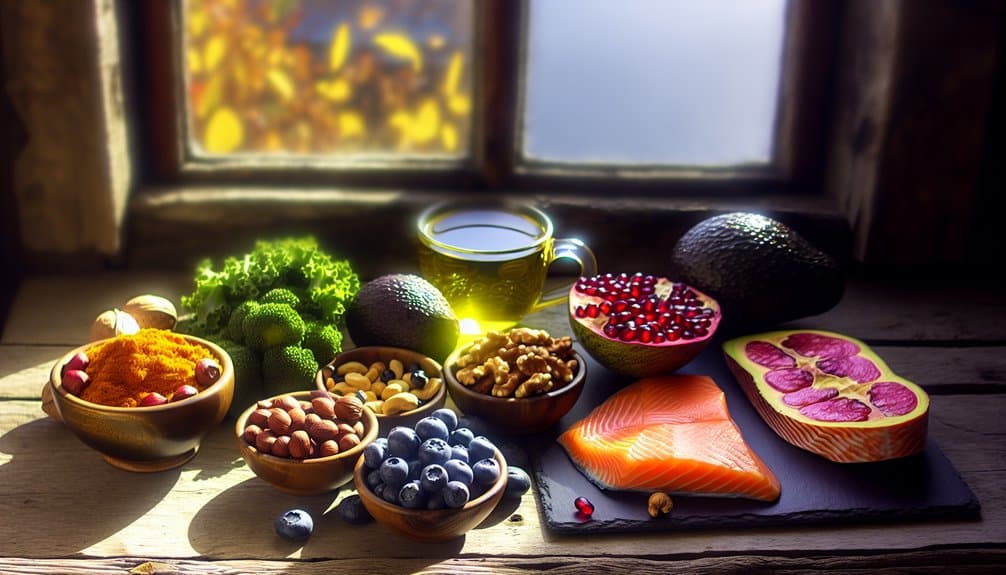
You chase creams and procedures, yet the most powerful anti-aging tools often sit on your plate. When you choose antioxidant-rich berries, greens that drive detox pathways, and fats that stabilize cell membranes, you’re influencing how your skin, joints, and even DNA age over time. Evidence points to specific proteins, fermented foods, and plant compounds that slow cellular damage and inflammation—if you know which ones to prioritize next.
Key Takeaways
- Antioxidant-rich berries (blueberries, raspberries, strawberries) protect cells from oxidative stress, support brain health, and slow visible skin aging; enjoy ½–1 cup daily.
- Leafy greens (spinach, kale, arugula) supply chlorophyll, carotenoids, vitamin C, and magnesium that aid detoxification, collagen formation, and UV-related skin protection.
- Healthy fats from fatty fish, flax, chia, walnuts, olive oil, and avocado reduce inflammation, nourish skin barriers, and support flexible joints and heart health.
- High-quality proteins (wild fish, pastured eggs, organic tofu, collagen-rich foods) preserve lean muscle, maintain collagen structure, and support tissue repair as you age.
- Fermented foods (sauerkraut, kimchi, miso, tempeh, kombucha) enhance gut microbiome balance, nutrient absorption, inflammation control, and skin clarity from the inside out.
Antioxidant-Rich Berries for Cellular Protection
Although no single food can stop aging, berries come close to a “foundational” anti-aging food because they deliver dense packages of antioxidants that help protect cells from oxidative stress. When you eat blueberries, strawberries, raspberries, or blackberries, you’re getting measurable berry benefits from compounds like anthocyanins, vitamin C, and ellagic acid. These nutrients’ antioxidant properties help neutralize free radicals that damage lipids, proteins, and DNA, processes linked with wrinkles, vascular aging, and cognitive decline. Berries also support mitochondrial function and modulate inflammatory pathways such as NF-κB, which are central to cellular aging. Because vitamin C and other berry antioxidants complement the body’s own physiological antioxidants like glutathione and vitamin E, they contribute to a broader defense network against oxidative stress. For practical use, aim for ½–1 cup daily, preferably a mix of colors. Choose fresh or frozen berries without added sugars to preserve their full anti-aging impact.
Leafy Greens That Support Detox and Skin Health
When you add leafy greens like spinach, kale, and arugula to your meals, you’re giving your body concentrated chlorophyll that supports gentle detox processes in the liver and gut. These vegetables also provide carotenoids and vitamin C, antioxidants that help counteract UV-related skin damage and support a more even, youthful complexion. In addition, their magnesium, silica, and manganese contribute to collagen synthesis and skin structure, helping maintain firmness over time. Consistently including leafy greens as part of a nutrient-rich diet can support long-term health maintenance by strengthening immunity and promoting overall well-being from within.
Chlorophyll for Gentle Detox
Even in small daily amounts, chlorophyll-rich leafy greens—like spinach, parsley, watercress, and kale—supply concentrated pigments and phytonutrients that support your body’s natural detoxification and skin repair processes. Chlorophyll benefits your liver’s detox pathways by binding certain toxins in the gut, aiding their excretion before they’re reabsorbed, which helps lower internal inflammation that can show up on your skin.
Clinically, these greens deliver magnesium, vitamin K, and folate, all essential for cellular turnover and tissue integrity. To put this into practice, you might:
- Add a handful of spinach or kale to morning smoothies
- Use parsley and watercress generously in salads and pesto
- Lightly steam or sauté greens to preserve chlorophyll while improving digestibility
Antioxidants for Youthful Skin
Chlorophyll’s gentle detox support is only part of why leafy greens are so powerful for aging well; they’re also concentrated sources of antioxidants that protect skin at the cellular level. When you eat spinach, kale, arugula, and Swiss chard regularly, you’re supplying diverse antioxidant sources—vitamins C, E, K, carotenoids, and polyphenols—that help neutralize free radicals generated by UV exposure, pollution, and metabolic stress.
These compounds support skin elasticity by limiting collagen breakdown and reducing low-grade inflammation that accelerates wrinkles and uneven tone.
| Leafy Green | Key Skin-Focused Nutrients |
|---|---|
| Spinach | Vitamin C, lutein, zeaxanthin |
| Kale | Vitamin C, beta-carotene, quercetin |
| Arugula | Glucosinolates, vitamin K, polyphenols |
| Swiss chard | Vitamin E, carotenoids, magnesium |
Aim for at least one cup daily, lightly cooked or raw.
Minerals for Collagen Support
Although antioxidants tend to get the spotlight, the mineral content of leafy greens is just as critical for preserving collagen and overall skin structure. Minerals such as magnesium, manganese, copper, and sulfur act as cofactors in collagen synthesis, stabilizing the triple-helix structure and supporting enzymes that build and repair dermal tissue. Leafy greens also aid detox pathways, which helps limit collagen-degrading oxidative and inflammatory stress.
Key mineral sources in leafy greens include:
- Spinach – rich in magnesium and manganese, supporting DNA repair and collagen-forming enzymes.
- Kale – provides copper and vitamin C, working together to drive collagen cross-linking.
- Swiss chard and beet greens – supply magnesium and sulfur-containing compounds that assist phase II liver detox and skin clarity.
Healthy Fats to Nourish Skin and Joints
While sugar and refined oils quietly accelerate cellular damage, the right fats supply structural building blocks that help keep your skin supple and your joints resilient. You’re aiming for anti-inflammatory lipids that stabilize cell membranes and support the skin barrier. The best-documented omega 3 benefits include reduced joint stiffness, improved microcirculation, and calmer, less reactive skin. Fatty fish (salmon, sardines, mackerel), ground flax, chia, and walnuts deliver EPA, DHA, and ALA that modulate inflammatory pathways. Choosing more monounsaturated fats from foods like nuts, olive oil, and avocados in place of saturated fats can further support heart health and overall longevity. Avocados nutrition adds monounsaturated fats plus vitamin E, carotenoids, and lutein, which help defend collagen and elastin from oxidative stress. Extra-virgin olive oil offers hydroxytyrosol and oleic acid that correlate with fewer photoaging signs. Rotate these whole-food fats daily, while minimizing trans fats and highly processed seed oils.
Power Proteins That Preserve Muscle and Collagen
Protein is the structural currency of longevity, preserving lean muscle, bone density, and the collagen scaffolding that supports firm skin and resilient joints. As you age, you need slightly more high‑quality protein to counter anabolic resistance and support muscle preservation, especially if you’re active or recovering from illness. Prioritizing protein as part of overall weight management strategies can also help maintain a healthy body composition and support long-term metabolic health.
Prioritize complete protein sources rich in leucine, glycine, and proline—key amino acids for muscle fibers and collagen renewal. Clinically, distributing protein evenly across meals (about 20–30 g each) improves synthesis more than one heavy serving at dinner.
- Choose: wild fish, pastured eggs, organic tofu, and Greek yogurt.
- Add collagen-rich foods: slow-cooked bone-in meats and gelatin.
- Pair with resistance training to maximize strength, function, and visible firmness.
Fermented Foods for a Youthful Gut Microbiome
When you add traditionally fermented foods like yogurt, kefir, kimchi, and sauerkraut, you’re introducing live microbes and bioactive compounds that can enhance digestion and nutrient absorption. A healthier gut microbiome is linked in clinical research to reduced systemic inflammation, better glycemic control, and even improvements in skin barrier function and acne severity. You’ll want to focus on fermented options with documented probiotic strains, minimal added sugars, and whole-food ingredients to support both gut and skin health as you age. Regular movement and fermented foods together can support a healthier gut–brain axis and may enhance the mental health benefits of exercise as you age.
How Fermentation Aids Digestion
Although fermentation has been used for centuries to preserve food, it’s now recognized as a powerful way to support digestion and a youthful gut microbiome. When you eat fermented foods, microbes partially break down carbohydrates and proteins first, so your gut has less work to do. This “pre-digestion” is one of the key fermentation benefits for digestive health and anti-aging.
Clinically, fermented foods can:
- Increase bioavailability of nutrients like B vitamins, vitamin K2, magnesium, and zinc
- Lower FODMAP content in some foods, reducing gas, bloating, and discomfort
- Produce beneficial compounds (like short-chain fatty acids) that nourish your intestinal lining
Probiotics and Skin Health
Because your gut and skin are tightly linked through the “gut–skin axis,” probiotics from fermented foods can influence how youthful and resilient your skin looks from the inside out. When you regularly consume live cultures, you support a more diverse microbiome that helps regulate inflammation, oxidative stress, and immune signaling—all key drivers of visible aging.
Clinically, probiotic benefits for skin include improved barrier function, better moisture retention, and fewer inflammatory lesions in conditions like acne and rosacea. Beneficial microbes also generate short‑chain fatty acids, B vitamins, and vitamin K, which help maintain collagen integrity and support repair processes. By improving the gut skin connection, you’re fundamentally feeding an internal ecosystem that can translate into smoother texture, more even tone, and a healthier glow over time.
Best Fermented Food Choices
While supplements can help, it’s targeted whole-food ferments that deliver the most reliable probiotic “dose” for a youthful gut microbiome. You’re aiming to diversify microbial species, strengthen the gut barrier, and lower systemic inflammation that accelerates skin aging.
Key options to rotate weekly:
- Sauerkraut benefits include Lactobacillus-rich brine, vitamin C, and K2; add a forkful raw to salads so heat doesn’t destroy live cultures.
- Explore spicier or milder kimchi varieties for fiber, antioxidants, and probiotic strains that may improve insulin sensitivity and skin clarity.
- Try low-sugar kombucha flavors in small servings, plus savory miso uses (broths, dressings) and high-protein tempeh recipes; both deliver fermentation metabolites that support gut integrity.
Nuts, Seeds, and Legumes for Longevity Nutrients
Even in small daily servings, nuts, seeds, and legumes deliver a concentrated mix of protein, healthy fats, fiber, and bioactive compounds that support healthy aging at the cellular level. You get nut benefits such as improved lipid profiles, reduced inflammation, and better vascular function, especially from walnuts, almonds, and pistachios. Rotate seed varieties—chia, flax, hemp, pumpkin, and sesame—to diversify omega‑3s, lignans, minerals, and antioxidants. Different legume types—lentils, chickpeas, black beans, and soy—offer low‑glycemic complex carbs and complete or complementary protein sources that help preserve muscle and metabolic health. Use them as healthy snacks or add them to meals to increase nutrient density without excessive calories. For best impact, choose unsalted, minimally processed options and pair with vegetables or whole grains. Regularly combining these foods with moderate exercise can further lower inflammation, support cardiovascular health, and enhance overall longevity benefits.
Hydrating Foods and Herbs for Radiant Skin and Energy
Although topical creams can help, lasting radiance and steady energy start from inside, and ideal hydration is central to both. You’re not just replacing water losses; you’re supplying electrolytes, polyphenols, and structured fluids that support skin cells and mitochondria. In addition, foods naturally rich in vitamin E—especially nuts, seeds, and leafy greens—provide potent fat‑soluble antioxidant support that helps protect cell membranes and collagen from oxidative damage.
Prioritize water-rich produce and hydrating herbs that provide potassium and antioxidants, which help regulate fluid balance and protect collagen. Combine them with energy boosting foods rich in B vitamins and healthy carbohydrates to stabilize blood sugar and fight fatigue.
Try:
- Cucumbers, watermelon, and berries for vitamin C, silica, and lycopene that support skin elasticity
- Coconut water and citrus for natural electrolytes and flavonoids
- Hibiscus, chamomile, and nettle infusions as caffeine‑free hydrating herbs that enhance circulation and cellular energy



Add Comment