
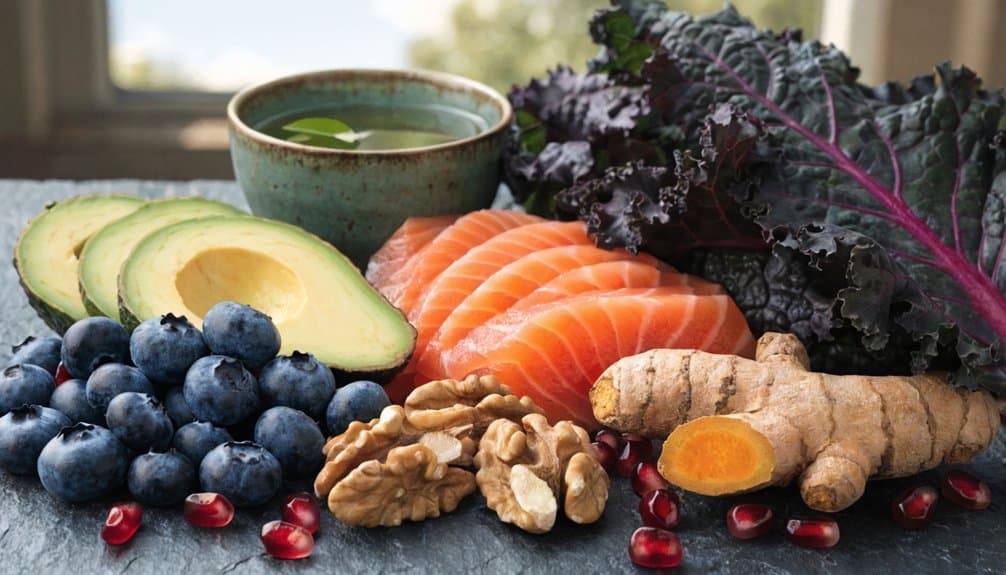
If you want to support healthy aging, your diet can do more than you might think. Research suggests that certain foods help lower oxidative stress, support cellular repair, and protect your heart, brain, and skin over time. The key isn’t a single “miracle” ingredient, but a pattern of nutrient-dense choices you can use every day. A few stand out for especially strong evidence, and some may already be in your kitchen.
Key Takeaways
- Berries provide antioxidants, vitamin C, and fiber that help reduce oxidative stress, support skin elasticity, and promote healthy aging.
- Leafy greens supply vitamin K, folate, magnesium, lutein, and zeaxanthin to support bones, heart health, and vision with age.
- Fatty fish like salmon and sardines deliver omega-3s, protein, and vitamin D linked to better heart, brain, and inflammation health.
- Nuts, seeds, avocados, and olive oil offer healthy fats and vitamin E that support cell membranes, skin hydration, and cardiovascular health.
- Beans, lentils, and cruciferous vegetables provide fiber and protective compounds that support gut health, blood sugar control, and cellular defense.
Why Anti-Aging Foods Help

Because aging is driven in part by cumulative cell damage, anti-aging foods can help by supplying nutrients and compounds that support your body’s repair, defense, and maintenance systems. In practice, nutrient-dense meals may aid cell regeneration, support metabolic health, and promote hormonal balance. They can also help preserve skin elasticity by providing protein, healthy fats, vitamins, and minerals your tissues need. Better eating patterns improve nutrient absorption and nourish your gut microbiome, which influences immunity and digestion. Over time, these effects may contribute to inflammation reduction and lower oxidative stress, two processes linked with chronic disease risk. Still, no single food stops aging. Your results depend on overall diet quality, portion balance, sleep, movement, stress control, and other lifestyle factors that shape how well your body adapts over time. In addition, prioritizing nutrient-dense foods can strengthen your immune function and support long-term health maintenance, which are key goals of science-backed anti-aging nutrition.
Berries for Antioxidants and Cell Protection
Berries can help you counter free radicals, which are unstable molecules linked to cellular damage and aging. You’ll also get nutrients like vitamin C, fiber, and polyphenols that are associated with better long-term health. While berries aren’t a cure-all, adding them regularly to your meals is a practical way to support cell protection. Berries are also rich in vitamin C, one of the few dietary antioxidant vitamins with well-established physiological antioxidant effects in the body.
Antioxidants And Free Radicals
While aging is influenced by many factors, oxidative stress is one of the key processes linked to cellular wear over time. When free radical activity outpaces your defenses, it can contribute to cellular damage and speed the aging process. Berries help because they supply antioxidant compounds that can neutralize unstable molecules before they trigger wider harm.
If you add berries regularly, you may support skin elasticity, immune function, and inflammation reduction in a practical, food-first way. Research suggests these effects may also offer longevity benefits, though they work best alongside sleep, exercise, and a balanced diet. Berries aren’t a cure-all, and they won’t directly raise your metabolic rate, but by helping limit oxidative stress, they may indirectly support healthier nutrient absorption and more resilient cells over time.
Berry Nutrients For Longevity
Some of the most useful longevity nutrients in berries are vitamin C, anthocyanins, fiber, and polyphenols, all of which help protect your cells from everyday damage. Different berry varieties offer strong nutrient density, and research suggests their compounds may support healthy inflammation levels, blood vessels, and brain aging through antioxidant synergy.
To benefit, you don’t need extreme amounts. Rotate seasonal berries like blueberries, strawberries, raspberries, and blackberries in yogurt, oats, salads, berry recipes, or berry smoothies. Whole berries usually beat berry extracts and berry supplements because you also get fiber and better satiety, though standardized products can help when fresh options aren’t practical. Aim for regular intake, frozen or fresh, and pair berries with an overall balanced diet, since no single food can prevent aging alone.
Leafy Greens for Bone, Eye, and Heart Health
Because they pack several protective nutrients into very few calories, leafy greens like spinach, kale, collards, and Swiss chard are a smart addition to an anti-aging diet. Their nutrient density supports bone strength through vitamin K and offers helpful magnesium sources that work alongside calcium. You’ll also get folate benefits that help maintain normal cell function and contribute to heart health. For eye health, leafy greens provide carotenoids such as lutein and zeaxanthin, compounds linked with protection against age-related vision decline. Their antioxidant properties may also help limit everyday oxidative stress. Practical meal ideas include adding spinach to eggs, tossing kale into soups, blending chard into smoothies, or sautéing collards with beans. Aim for variety, since different greens provide slightly different nutrient profiles and culinary strengths. Pairing leafy greens with regular physical activity can further support heart health, bone strength, and healthy aging overall.
Fatty Fish for Brain and Heart Support
If you add fatty fish like salmon, sardines, or mackerel to your meals, you’ll get omega-3 fats linked to healthier aging and lower cardiovascular risk. These fats may also help support normal heart rhythm, which matters for long-term heart health. While fatty fish isn’t a cure-all, regular intake has also been associated with better cognitive aging, making it a practical choice for brain and heart support. Aim to eat fatty fish such as salmon, sardines, or mackerel twice per week to help support heart, brain, and eye health through their omega-3 content.
Omega-3s And Longevity
While no single food can “slow aging” on its own, fatty fish stand out for their omega-3 fats, which are consistently linked to better heart and brain health as you get older. If you want practical omega 3 sources, aim for salmon, sardines, trout, or mackerel once or twice weekly.
| Fish | Key nutrient | Practical note |
|---|---|---|
| Salmon | EPA/DHA | Widely available |
| Sardines | EPA/DHA | Budget-friendly |
| Trout | Omega-3s | Mild flavor |
| Mackerel | EPA/DHA | Richer taste |
Research suggests these fats may support healthy inflammation balance, cognitive function, and overall longevity benefits, especially when they replace processed meats. You don’t need megadoses; consistent intake matters more. Choose baked, grilled, or canned options with lower sodium, and vary your choices to limit contaminant exposure over time overall.
Heart Rhythm Protection
Beyond general longevity benefits, fatty fish may also help protect your heart’s rhythm. Salmon, sardines, trout, and mackerel provide omega-3 fats that appear to support electrical signaling in the heart, which may improve rhythm stability in some people. Research links regular fish intake with better heart health, though effects can vary depending on your overall diet, medical history, and medications.
For a practical approach, aim for two servings of low-mercury fatty fish weekly. Baking, grilling, or poaching helps you keep added sodium and unhealthy fats low. If you have atrial fibrillation, other arrhythmias, or take blood thinners, talk with your clinician before making major changes or adding supplements. Food-first intake is usually preferred, because whole fish also delivers protein, vitamin D, selenium, and other nutrients.
Cognitive Aging Support
Because the brain is rich in fat, the omega-3s in fatty fish may help support cognitive aging as you get older. Research links regular intake of salmon, sardines, trout, and mackerel with better memory, slower decline in thinking skills, and overall brain longevity. While fish isn’t a magic bullet, it can be a useful part of a balanced diet.
For practical cognitive enhancement, aim for two servings of fatty fish weekly, as many guidelines suggest. DHA and EPA may help maintain cell membranes, reduce inflammation, and support blood flow that nourishes your brain and heart. If you don’t eat fish, algae-based omega-3 supplements can be an option, though whole foods offer added nutrients like protein, selenium, and vitamin D. Choose lower-mercury fish more often.
Nuts and Seeds for Skin and Healthy Fats

Although they’re small, nuts and seeds deliver a useful mix of healthy fats, vitamin E, minerals, and plant compounds that support skin as you age. Research suggests regular dietary inclusion may improve skin hydration, while also promoting heart health and metabolic support. Their nutrient density makes them efficient additions to balanced meals and everyday routines. Nuts and seeds rich in vitamin E, such as almonds and sunflower seeds, can help maintain optimal serum α-tocopherol levels associated with better long-term health outcomes. You can rotate nut varieties like almonds, walnuts, and pistachios, and use seed benefits from chia, flax, pumpkin, and sunflower seeds. Choose unsalted forms when possible, since portions still matter. Practical snack options include a small handful or yogurt toppings. For culinary uses, add them to oatmeal, salads, or grain bowls. If you’ve got allergies or digestive issues, tailor intake to what you tolerate and your overall needs best.
Avocados and Olive Oil for Healthy Aging
While avocados and extra-virgin olive oil are often praised for heart health, they’re also useful anti-aging foods because they provide monounsaturated fats, vitamin E, and plant compounds that help protect cells from oxidative stress. For you, that means support for cell membranes, steadier blood sugar after meals, and better absorption of carotenoids from vegetables. Research links olive oil, especially extra-virgin varieties rich in polyphenols, with healthier aging patterns and lower risk of age-related disease. The avocado benefits are similarly practical: you’ll get fiber, potassium, and lutein, nutrients tied to skin, eye, and metabolic health. Still, portion size matters because both foods are calorie-dense. Use olive oil for dressings or low-to-moderate heat cooking, and add avocado to salads, eggs, or whole-grain meals for a balanced routine. Pairing these foods with fruits and vegetables rich in vitamin C may further support healthy aging by enhancing antioxidant defenses and protecting against oxidative damage.
Cruciferous Vegetables for Inflammation Control
When you add broccoli, Brussels sprouts, or kale to your meals, you’re getting sulforaphane, a plant compound linked to stronger cellular defense against oxidative stress and inflammation. You’ll also benefit from their fiber, which helps support a healthier gut microbiome and more balanced digestion. While they aren’t a cure-all, eating cruciferous vegetables regularly can be a practical way to support healthy aging. Compared with coconut oil, which is high in saturated fat and may raise cholesterol when eaten in excess, cruciferous vegetables offer anti-inflammatory benefits without increasing heart disease risk.
Sulforaphane And Cellular Defense
Because chronic, low-grade inflammation can accelerate many visible and internal signs of aging, cruciferous vegetables like broccoli, Brussels sprouts, kale, and cabbage deserve attention for their sulforaphane content—a compound studied for its role in supporting the body’s cellular defense systems.
Research suggests sulforaphane may help activate antioxidant enzymes and influence detoxification pathways, which can support cellular resilience over time. For you, that makes these vegetables practical sulforaphane sources worth including regularly rather than treating as occasional “health foods.” Lightly steaming broccoli or Brussels sprouts may help preserve beneficial compounds, while chopping them before cooking can improve sulforaphane formation. Still, they aren’t a cure-all, and benefits depend on your overall diet and lifestyle. Aim for variety, consistent intake, and realistic expectations if you’re using food to support healthy aging.
Fiber For Gut Balance
Although sulforaphane gets much of the attention, the fiber in cruciferous vegetables also matters for healthy aging by helping support a more balanced gut environment and steadier inflammatory signaling.
- When you eat broccoli, cabbage, or Brussels sprouts regularly, you feed beneficial microbes that produce short-chain fatty acids.
- Those compounds may help reinforce the gut lining, which supports digestive health and can lower inflammatory stress.
- Fiber also helps with probiotic balance by giving helpful bacteria the fuel they need to compete and thrive.
- For a practical approach, add one serving daily, increase gradually, and cook vegetables if raw forms bother your stomach.
You don’t need huge amounts; consistency matters more. A varied, fiber-rich diet is usually the most sustainable strategy for long-term benefits.
Beans and Lentils for Energy and Longevity
While they’re often overlooked next to trendier “superfoods,” beans and lentils deserve a place in an anti-aging diet because they deliver steady energy, plant protein, fiber, and key minerals in one affordable package.
For you, that means slower digestion, better blood sugar control, and longer-lasting fullness, which can support weight management and metabolic health as you age. Their plant based protein helps maintain muscle, while iron, magnesium, potassium, and folate add to their nutrient density and support energy production, heart health, and healthy cells. Research also links regular legume intake with lower risks of cardiovascular disease and overall mortality. You don’t need large amounts: adding lentils to soup, beans to salads, or chickpeas to grain bowls a few times weekly is a simple, evidence-based habit. Because their protein, fiber, and slow-digesting carbohydrates improve satiety and stabilize appetite, regularly eating beans and lentils can be a practical tool for weight management.
Green Tea and Dark Chocolate for Daily Protection

For a simple daily boost to long-term health, green tea and dark chocolate stand out for their high levels of protective polyphenols. Research suggests green tea benefits include support for vascular function and cellular defense, while dark chocolate effects may include modest blood pressure and endothelial improvements.
- You’ll get antioxidants synergy when catechins and cocoa flavanols complement each other.
- Daily consumption matters most in moderate amounts, not megadoses.
- These can become steady health rituals without feeling restrictive or clinical.
- Sensible lifestyle integration works best when you choose quality, watch added sugar, and enjoy flavor enhancements like citrus or cinnamon.
You may also notice mild mood boosters from caffeine, theanine, and cocoa compounds. Still, balance counts: these foods support health, but they don’t replace sleep, movement, or overall diet quality. Emerging research suggests their polyphenols may support the body’s physiological antioxidants such as glutathione and vitamin C in defending against oxidative stress.
Easy Ways to Eat Anti-Aging Superfoods
Green tea and dark chocolate are easy places to start, and the same principle applies to other anti-aging superfoods: the best choices are the ones you’ll actually eat regularly. Build habits around convenience and taste. Add berries and spinach to smoothie recipes, oats and yogurt to breakfast bowls, and nuts or seeds as salad toppings. Use meal prep to portion beans, salmon, and chopped vegetables, so nutrient-dense food combinations are ready when you’re hungry. For snack ideas, pair apples with walnuts or hummus with carrots. Choose cooking methods like steaming, roasting, and sautéing to preserve texture and encourage variety. Smart flavor pairings, such as tomatoes with olive oil, can improve satisfaction and support nutrient absorption. Keep flexible drink options and healthy desserts, like kefir or fruit with cocoa, in rotation weekly. To go beyond food, some people combine these habits with anti-aging skin care and supplements from established brands that focus on quality and effectiveness.
Frequently Asked Questions
Are Anti-Aging Superfoods Safe With Common Medications?
Not always—it’s a minefield if you’re on prescriptions. You can have medication interactions with certain superfoods and dietary supplements. Check labels, avoid megadoses, and ask your pharmacist or doctor, especially if you take blood thinners.
Can Children Benefit From Eating Anti-Aging Superfoods Too?
Yes, you can help children benefit from nutrient-dense foods, but you shouldn’t expect “anti-aging” effects. Focus on balanced childhood nutrition, using practical superfood sources like berries, yogurt, beans, and leafy greens within regular meals.
Do Frozen Superfoods Offer the Same Anti-Aging Benefits?
Absolutely—frozen superfoods can deliver almost a universe of benefits if you choose wisely. You’ll often get strong nutrient retention, especially with frozen berries, though texture changes and added sugars can make some options less ideal.
Are Organic Anti-Aging Foods More Effective Than Conventional Options?
No, you shouldn’t assume organic anti-aging foods are more effective; organic nutrient absorption isn’t consistently higher. You’ll likely benefit most by prioritizing overall diet quality, while remembering conventional food quality can still be excellent and nutritious.
How Long Before Anti-Aging Food Benefits Become Noticeable?
Sooner than you’d think, yet not overnight—you’ll often notice subtle changes within 4–8 weeks. Your anti aging timeline depends on consistency, overall diet, sleep, and nutritional absorption; deeper skin or inflammation benefits can take months.

Add Comment