
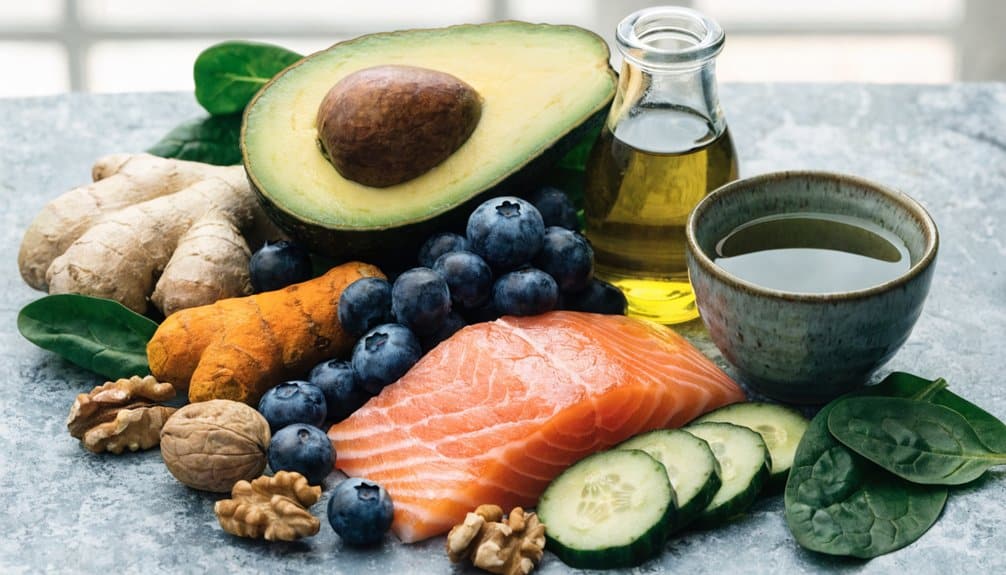
Research suggests your skin contains about 64% water, which helps explain why inflammation, diet, and barrier function are so closely linked. What you eat can influence oxidative stress, collagen support, and moisture retention through nutrients like omega-3s, vitamins C and E, and polyphenols. If your goal is calmer, clearer, more resilient skin, a few specific foods may matter more than you think.
Key Takeaways
- Fatty fish like salmon and sardines provide omega-3s that strengthen the skin barrier and reduce dryness, redness, and irritation.
- Berries, citrus, and leafy greens deliver antioxidants, vitamin C, and polyphenols that fight oxidative stress and support collagen production.
- Beans, whole grains, and vegetables add fiber that supports the gut microbiome and helps regulate inflammation linked to skin reactivity.
- Nuts, seeds, avocado, and olive oil supply vitamin E, healthy fats, and minerals that protect skin cells and improve moisture retention.
- Green tea, turmeric, and ginger contain anti-inflammatory compounds that help calm inflammatory pathways and complement a plant-rich skin-supportive diet.
Best Anti-Inflammatory Foods for Skin

When your skin is dealing with chronic irritation, the most helpful anti-inflammatory foods are typically those rich in omega-3 fats, antioxidants, polyphenols, fiber, and key vitamins such as A, C, D, and E. You’ll benefit most from colorful berries, leafy greens, tomatoes, citrus, nuts, seeds, beans, and extra-virgin olive oil. These foods help lower oxidative stress, support collagen formation, and strengthen your skin barrier. Our knowledgeable team can also help you choose nutrition and supplements that support anti-aging skin health based on your individual needs.
For skin healing, focus on variety and diet balance rather than one “superfood.” Vitamin C supports repair, vitamin E helps protect cell membranes, and polyphenols may calm inflammatory pathways. Fiber-rich foods also support a healthier gut microbiome, which can influence skin reactivity. Build meals around plants, add healthy fats, and choose minimally processed foods more often for steadier, skin-friendly nutrition overall.
Fatty Fish for Calm, Clearer Skin
If you want calmer, clearer skin, fatty fish can help because they provide omega-3s that support the skin barrier and may reduce inflammatory signaling. You’ll get the most benefit from choices like salmon, sardines, mackerel, and trout, which also supply protein, vitamin D, and selenium. Aim to include these fish regularly so you’re giving your skin nutrients linked to less dryness, irritation, and redness. Omega-3 fats such as those in fatty fish can also support heart health while helping to reduce inflammation throughout the body.
Omega-3 Skin Benefits
Because chronic skin inflammation can show up as redness, breakouts, or irritation, omega-3-rich fatty fish like salmon, sardines, and mackerel are worth prioritizing in your diet. These omega 3 sources provide EPA and DHA, fats linked to omega 3 inflammation reduction, stronger barrier function, and support for common omega 3 skin conditions, including acne and eczema.
You’ll also benefit from better omega 3 dietary balance, which influences omega 3 metabolism and how your body builds anti-inflammatory compounds. That may improve hydration, soothe sensitivity, and support omega 3 skin absorption through healthier cell membranes. If you rarely eat fish, omega 3 supplements can help, but check omega 3 dosage with your clinician, especially if you take blood thinners or have a medical condition. Consistency matters more than megadoses.
Best Fish Choices
Among omega-3 foods, fatty fish stand out as the most efficient way to get EPA and DHA in forms your body can readily use for calmer, clearer skin. Salmon, sardines, mackerel, trout, and herring also deliver protein, selenium, vitamin D, and astaxanthin, nutrients that help support barrier function and temper inflammatory stress.
Aim for two servings weekly, choosing smaller oily fish more often for lower mercury exposure. If you’re buying salmon, look for wild or responsibly farmed options and labels tied to sustainable fishing standards. Canned sardines and salmon are affordable, convenient staples for lunches and quick dinners. To keep benefits high, use gentle methods like baking, poaching, or grilling instead of deep-frying. Add these fish to salads, grain bowls, tacos, or simple fish recipes with herbs and olive oil.
Berries and Citrus for Antioxidant Skin Support
You can support your skin with berries, which provide anthocyanins and other antioxidants that help limit oxidative stress linked to irritation and visible aging. Citrus adds vitamin C, a key nutrient for collagen production and protection against free-radical damage. Together, their polyphenols can help calm inflammatory pathways, making them a practical addition to your routine. While berries and citrus supply polyphenols, their physiological antioxidant effects in the body are largely attributed to vitamins like C rather than direct in vivo antioxidant activity from polyphenols themselves.
Berry Antioxidant Benefits
Berries stand out for skin support because they’re packed with vitamin C and polyphenol antioxidants, including anthocyanins, that help limit oxidative stress linked to collagen breakdown, irritation, and a dull, uneven complexion.
When you eat berry varieties like blueberries, strawberries, blackberries, and raspberries, you’re getting compounds studied for antioxidant effects that may help calm inflammatory pathways and protect skin lipids from damage. Their fiber content also supports steadier blood sugar, which can matter for inflammation and visible skin changes. For practical use, add fresh or frozen berries to yogurt, oats, smoothies, or salads, and rotate types to broaden your intake of protective pigments and flavonoids. Aim for regular servings instead of occasional large portions, since consistent intake is more useful for supporting your skin’s resilience over time and barrier function.
Citrus Vitamin C
While berries offer broad-spectrum polyphenols, citrus fruits are especially valuable for skin because they deliver concentrated vitamin C, a nutrient your body needs to make collagen and help defend skin cells against oxidative stress.
If you want practical citrus benefits, choose oranges, grapefruit, lemons, limes, and mandarins as reliable vitamin C sources. Vitamin C supports collagen synthesis, helps maintain the skin barrier, and improves your ability to neutralize free radicals generated by UV exposure and pollution. Since your body doesn’t store much vitamin C, regular intake matters more than occasional large doses. You’ll get the most nutritional value from whole fruit, which also provides water and fiber to support overall skin health. Add citrus to breakfast, salads, yogurt, or infused water to make consistent intake simple and realistic daily.
Polyphenols For Calm Skin
Two antioxidant families stand out for calmer-looking skin: the polyphenols in berries and the flavonoids in citrus. These compounds help neutralize free radicals generated by UV exposure, pollution, and normal metabolism, which can otherwise amplify skin inflammation. Berries supply anthocyanins and ellagic acid, while oranges, grapefruit, and lemons provide hesperidin, naringenin, and vitamin C for added antioxidant support.
You can increase these nutrients by adding blueberries to breakfast, strawberries to yogurt, or citrus segments to salads. Frozen berries work well and retain most polyphenols. Aim for variety, since different colors deliver different protective compounds. As practical polyphenol sources, berries and citrus may support your skin barrier, reduce oxidative stress, and help your complexion look more even, calm, and resilient over time.
Leafy Greens for Redness and Acne Support
If redness and breakouts are ongoing concerns, leafy greens can be a smart place to focus because they deliver skin-supportive nutrients with very little added sugar or saturated fat. Spinach, kale, arugula, and romaine provide vitamin A precursors, vitamin C, folate, and magnesium, which support normal skin turnover and help regulate inflammatory stress. Their water and potassium content can also contribute to skin hydration, especially when your overall fluid intake is solid. Since leafy greens are also part of a dietary pattern that supports regular physical activity, they can complement exercise’s role in lowering markers of inflammation linked to overall skin and metabolic health.
To use leafy greens consistently, add a handful to eggs, soups, grain bowls, or smoothies. You’ll also get carotenoids like lutein and beta-carotene, compounds linked with better antioxidant protection in skin tissue. Aim for variety across the week, since different greens supply different nutrient profiles that can support a calmer-looking complexion over time.
Nuts and Seeds for Skin Barrier Health

Crunch matters here: nuts and seeds can help support your skin barrier because they supply key fats and minerals involved in moisture retention and inflammatory balance. Almonds, walnuts, pumpkin seeds, chia, and flax offer strong nutrient density, including vitamin E, zinc, selenium, and omega-3 fats linked to skin hydration and barrier resilience. Because nuts and seeds are rich in vitamin E, they contribute antioxidant support that may help reduce oxidative damage associated with premature skin aging and inflammation. You’ll also benefit from diverse antioxidant profiles that help limit oxidative stress and support inflammation reduction. Different nut varieties and seed benefits complement each other, so rotate choices instead of relying on one option. For practical snack ideas, pair almonds with berries or add pumpkin seeds to yogurt. Easy meal incorporation can include chia in oatmeal, flax in smoothies, or chopped walnuts on salads. Aim for unsalted, minimally processed options to keep your routine skin-supportive, balanced, and consistent.
Avocados and Olive Oil for Hydrated Skin
Alongside nuts and seeds, avocados and extra-virgin olive oil can further support hydrated skin by supplying monounsaturated fats that help maintain membrane integrity and reduce water loss. You’ll also get vitamin E and polyphenols, nutrients linked with reduced oxidative stress and smoother skin. These avocado benefits make simple meals work harder for your complexion. Choosing these plant-based fats also supports more sustainable dietary choices, which can benefit both long-term health and the environment.
| Food | Skin-supporting nutrients |
|---|---|
| Avocado | Monounsaturated fats, vitamin E, lutein |
| Olive oil | Oleic acid, polyphenols, vitamin E |
| Best use | Add avocado to salads; drizzle olive oil |
| Practical tip | Pair with tomatoes or leafy greens |
For practical intake, add half an avocado to lunch or use olive oil as your main dressing. Consistency matters more than large portions for visible skin hydration over time.
Teas and Spices That Calm Skin Inflammation
While teas and culinary spices won’t replace a balanced diet, they can add concentrated anti-inflammatory compounds that may help calm reactive skin. Green tea delivers catechins, especially EGCG, studied for anti inflammatory properties that may help reduce oxidative stress linked to redness and breakouts. You may also benefit from herbal infusions like soothing chamomile, which provides apigenin and other polyphenols associated with skin-calming effects. In your meals, spice blends can supply complementary phytonutrients. Turmeric benefits are tied to curcumin, a compound researched for modulating inflammatory pathways, while ginger benefits include gingerols that may support circulation and lessen inflammatory signaling. Some adaptogenic herbs also contain antioxidant compounds, but evidence varies, so you’ll want to choose unsweetened, minimally processed options whenever possible for overall skin support. Many of these botanicals are rich in physiological antioxidants like polyphenols and vitamin C, which help protect skin cells from oxidative stress.
Easy Ways to Eat More Skin-Friendly Foods

If you want to make your diet more skin-friendly, start by building meals around a few anti-inflammatory staples you can repeat easily: berries or citrus at breakfast, leafy greens or cruciferous vegetables at lunch, fatty fish or beans for protein, and a handful of nuts or seeds for healthy fats. Evidence from dermatology research shows that diets rich in plants and healthy fats can complement topical natural skin care approaches for calmer, more resilient skin.
- Sunday meal prep with salmon, quinoa, and chopped kale
- Bright smoothie recipes with berries, spinach, and kefir
- Crunchy salad toppings like pumpkin seeds and red cabbage
- Smart food swaps: olive oil for butter, beans for processed meat
- Simple snack ideas: walnuts, citrus slices, and hummus
Use gentle cooking methods like steaming or roasting to preserve nutrients. Keep portion control realistic, pair vitamin C with iron-rich greens for better absorption, and build a grocery list around colorful flavor combinations and easy breakfast options.
Frequently Asked Questions
Can Anti-Inflammatory Foods Replace Prescription Acne or Eczema Treatments?
No, you shouldn’t expect anti-inflammatory foods to replace prescription acne or eczema treatments. They can support your skin microbiome, complement medications, and sometimes reduce flares, while targeted nutrients or dietary supplements may offer additional benefits.
How Long Before Dietary Changes Improve Visible Skin Inflammation?
You’ll typically notice visible skin inflammation improvements within 4–12 weeks; that’s the usual dietary timeline. Your skin visibility changes depend on nutrient intake consistency, overall diet quality, triggers, and whether deficiencies in omega-3s, zinc, or antioxidants existed.
Which Anti-Inflammatory Foods Commonly Trigger Allergies or Skin Reactions?
You’ll often react to nuts, soy, dairy, eggs, shellfish, and tomatoes—common allergens that can overlap like storm clouds with skin sensitivities. If flare-ups follow meals, you should track patterns and trial elimination with professional guidance.
Do Cooking Methods Reduce the Skin Benefits of Anti-Inflammatory Foods?
Yes, cooking methods can affect skin benefits; you’ll preserve more with gentle cooking techniques that improve nutrient retention. You’re better steaming or sautéing briefly, while excessive frying or boiling can reduce antioxidants, omega-3s, and vitamins.
Are Anti-Inflammatory Skin Foods Safe During Pregnancy or Breastfeeding?
Yes—during this delicate chapter, you can usually enjoy anti-inflammatory foods while pregnant or breastfeeding, if you follow nutritional guidelines. Prioritize whole, nutrient-dense options, and ask your clinician before adding herbs, concentrated extracts, or safe supplements.

Add Comment