
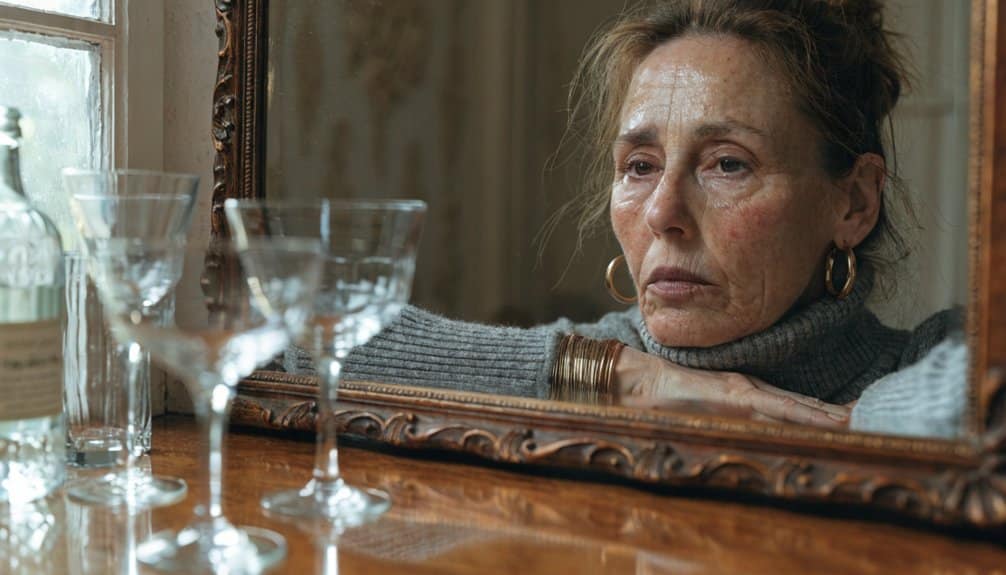
Alcohol can alter your skin in ways you may notice quickly and others that build over time. It increases water loss, promotes inflammation, and can weaken barrier function, which may leave your skin dull, reactive, and less resilient. Regular intake may also interfere with collagen maintenance and nutrient status, both of which affect texture and visible aging. The question isn’t only whether alcohol changes your skin, but how much and how fast.
Key Takeaways
- Alcohol dehydrates skin, weakening the barrier and making complexion look dull, rough, and less even.
- It increases inflammation and vasodilation, often causing redness, puffiness, and slower recovery from irritation.
- Regular drinking can speed visible aging by increasing oxidative stress, weakening collagen, and making fine lines more noticeable.
- Alcohol may worsen breakouts indirectly through dehydration, hormonal shifts, sugary mixers, and changes in skin microbe balance.
- Recovery focuses on hydration, gentle moisturizers, consistent skincare, good sleep, and barrier-supporting ingredients like hyaluronic acid and niacinamide.
What Does Alcohol Do to Your Skin?

Although alcohol’s effects can vary with the amount and frequency you drink, it commonly dehydrates the skin, disrupts barrier function, and promotes inflammation. These changes can make your complexion look dull, uneven, and more reactive. Alcohol may also increase facial flushing by dilating superficial blood vessels, especially if you’re prone to rosacea or sensitivity. Over time, repeated exposure can weaken collagen support and reduce skin elasticity, which contributes to fine lines and less resilient skin. You may also notice slower recovery after irritation because alcohol can amplify your inflammation response and impair normal repair processes. In some people, alcohol is associated with worsened redness, puffiness, and post-inflammatory changes. The visible effect depends on your overall intake, genetics, baseline skin condition, and whether you already have inflammatory skin disorders or vascular sensitivity. Additionally, alcohol can worsen oxidative stress in the body, which is known to accelerate skin aging and undermine overall skin health.
How Does Alcohol Dehydrate Your Skin?
Because alcohol acts as a diuretic, it increases fluid loss through urination, which can reduce overall hydration and leave your skin looking less plump and supple. When you’re dehydrated, your skin’s outer barrier retains less water, so texture can appear rougher and fine lines may look more noticeable temporarily.
Alcohol metabolism also contributes indirectly. Your liver prioritizes breaking down ethanol and its byproducts, while dehydration can impair normal barrier function and reduce efficient skin hydration. In addition, alcoholic beverages may displace water intake, especially if you’re not compensating with fluids. This combination can lower moisture content in the stratum corneum, the skin’s outermost layer. As a result, your complexion may seem duller, tighter, and less resilient until fluid balance and skin hydration are restored fully again.
Why Does Alcohol Cause Redness and Puffiness?
When you drink alcohol, redness often develops because ethanol causes vasodilation, meaning the small blood vessels near your skin’s surface widen and increase visible blood flow. This response can be stronger if you have fair skin, rosacea, or reduced aldehyde dehydrogenase activity, which allows acetaldehyde to accumulate. These are key redness causes linked to alcohol exposure.
Puffiness develops through several mechanisms. Alcohol disrupts fluid balance, promotes dehydration, and can trigger rebound water retention, especially around your eyes. It may also impair sleep quality and increase inflammatory signaling, both of which intensify swelling. These puffiness effects can make your skin look tired, uneven, and older after drinking. If you drink regularly, repeated vascular dilation and fluid shifts may make these visible changes more persistent over time.
Can Alcohol Trigger Acne Breakouts?

While alcohol isn’t a direct cause of acne, it can contribute to breakouts by altering several processes that affect your skin. Drinking can increase dehydration, which may disrupt your skin barrier and promote irritation. It can also influence sleep quality and stress responses, both linked to inflammatory skin conditions.
Alcohol may contribute to hormonal fluctuations that increase sebum production, especially if you’re already acne-prone. Sugary mixers and high-glycemic drinks can further elevate insulin levels, which may worsen clogged pores and inflammation. In some people, alcohol also changes immune signaling and the balance of skin microbes, creating conditions that favor blemishes. If you notice more pimples after drinking, alcohol may be acting as an indirect trigger rather than a sole cause. Tracking intake and reactions can help identify patterns over time.
How Does Alcohol Speed Up Skin Aging?
Alcohol can accelerate skin aging by increasing dehydration, which weakens your skin barrier and makes fine lines and wrinkles more visible. It can also promote oxidative stress and inflammation, processes linked to collagen breakdown and reduced skin firmness. Over time, these effects can leave your skin looking thinner, drier, and older than expected.
Dehydration And Wrinkle Formation
Because it acts as a diuretic, drinking alcohol increases fluid loss and reduces skin hydration, which can make fine lines and wrinkles more noticeable. When you’re dehydrated, your skin’s outer layer holds less water, so it looks duller, feels tighter, and shows creasing more readily. Reduced skin hydration can also weaken barrier function, increasing transepidermal water loss and prolonging dryness.
- You may notice under-eye lines appear sharper after drinking.
- Your skin can seem rougher, less plump, and less reflective.
- Temporary dehydration may exaggerate expression lines around your mouth and forehead.
From a clinical perspective, consistent fluid depletion undermines wrinkle prevention by impairing the skin’s ability to maintain smooth surface texture. Limiting alcohol intake and restoring fluids can improve short-term appearance and support resilience over time.
Collagen Breakdown Effects
Beyond temporary dehydration, repeated drinking can accelerate skin aging by promoting collagen breakdown and impairing the processes that keep the dermis firm. Alcohol increases oxidative stress and inflammation, which can suppress collagen synthesis and activate enzymes that degrade structural proteins. Over time, you may notice reduced elasticity, slower repair, and deeper lines.
| Mechanism | Skin effect |
|---|---|
| Oxidative stress | Damages collagen fibers |
| Inflammation | Weakens dermal support |
| Impaired collagen synthesis | Slower healing |
| Dietary impacts | Fewer repair nutrients |
Alcohol’s dietary impacts also matter: poorer intake and absorption of protein, zinc, and vitamin C can further limit matrix repair. If drinking is frequent, your skin’s scaffold loses resilience faster, making age-related thinning, laxity, and texture changes more clinically apparent over time.
Does the Type of Alcohol Matter?
Although all alcoholic drinks deliver ethanol, the type of beverage can still influence how your skin responds. Beyond dose, congeners, sugar content, carbonation, and mixers can alter dehydration, vasodilation, and inflammatory signaling, which affect redness, puffiness, and texture. Including more omega-3 fats and other healthy fats in your diet may help counter some alcohol-related inflammation that shows up in the skin.
- Wine effects: Red wine contains polyphenols, yet it may also trigger flushing in susceptible people through histamine and vasodilatory compounds.
- Spirits impact: Distilled liquor usually has fewer additives, but higher alcohol concentration can intensify fluid loss and transient dullness.
- Beer properties and cocktail ingredients: Beer’s carbohydrates and sodium may promote bloating, while sweet mixers in cocktails can raise glycemic load, potentially worsening inflammation and uneven tone.
How Can You Protect Your Skin When Drinking?
How can you reduce alcohol-related skin stress in real time? Start before your first drink: eat protein, limit sugary mixers, and alternate alcohol with water. These hydration strategies help reduce transepidermal water loss and visible dullness. Smart drinking tips include setting a drink cap and choosing lower-sugar alcohol alternatives when possible.
Support your skin care with protective ingredients such as ceramides, glycerin, hyaluronic acid, niacinamide, and antioxidants. Keep your skincare routine gentle; avoid harsh exfoliants or retinoids the same night if your skin feels reactive. Useful post drink remedies include oral rehydration, bland moisturizer, and sleep. If you use skin supplements, prioritize evidence-based options like omega-3s only under clinician guidance. Consistency matters more than single-night fixes for prevention and recovery over time.
Frequently Asked Questions
Can Occasional Drinking Cause Permanent Facial Veins?
Like a warning light, yes—occasional drinking can contribute to permanent facial veins if you’re predisposed. It may trigger facial redness, but lasting changes usually reflect cumulative exposure, rosacea, or weakened vascular health, not isolated intake.
Does Alcohol Worsen Rosacea or Eczema Symptoms?
Yes, alcohol can worsen your symptoms by acting as one of several rosacea triggers and promoting eczema flare ups. You’ll often see increased flushing, itching, and skin barrier irritation, especially with heavier or individual-sensitive intake.
Can Quitting Alcohol Improve Skin Tone Quickly?
Yes, you can see improved skin tone quickly. While “detox benefits” are overstated, alcohol cessation often restores skin hydration within days, reducing dullness and puffiness; clearer tone typically follows as inflammation and vasodilation decrease.
Are Alcohol-Related Skin Changes Reversible With Skincare?
Yes, you can partly reverse alcohol-related skin changes with skincare routines, especially by improving hydration levels. However, topical care won’t fully correct persistent redness, broken capillaries, or volume loss; abstinence and medical treatment may help.
Does Alcohol Affect How Cosmetic Treatments Heal?
Yes—alcohol can complicate cosmetic treatment healing; it can impair the healing process by increasing inflammation, delaying tissue repair, and reducing skin hydration. You’ll likely see slower recovery, greater irritation, and potentially less predictable post-procedure results overall.

Add Comment