
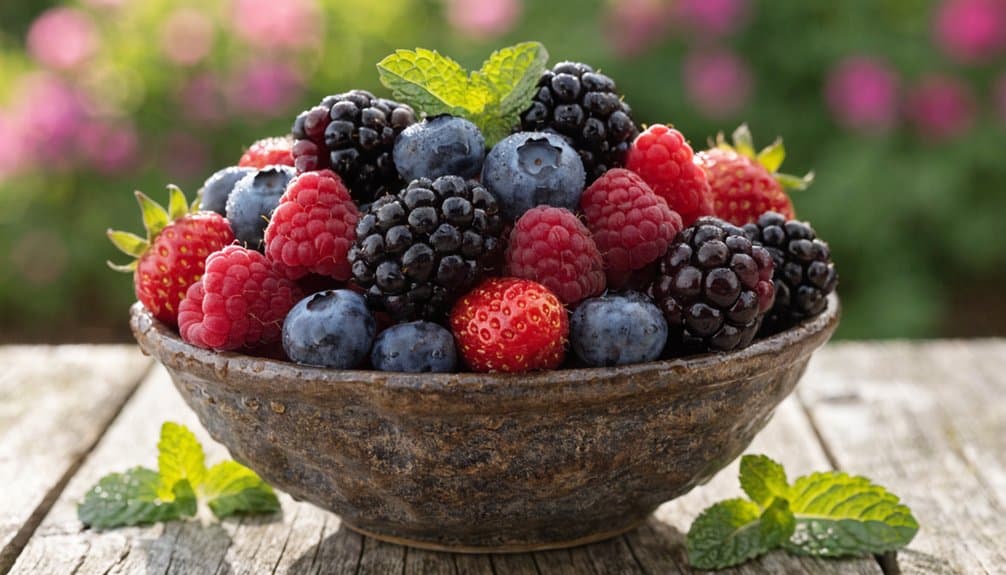
You don’t need exotic supplements to support healthy aging; berries are one of the most practical foods you can add to your routine. They’re rich in polyphenols, especially anthocyanins, along with vitamin C and other antioxidants that help limit oxidative stress and inflammation linked with age-related decline. Regular intake is also associated with benefits for your brain, heart, and skin. What matters most, though, is which berries offer the strongest effects and how you use them.
Key Takeaways
- Berries are rich in polyphenols and anthocyanins that help protect cells from oxidative stress and chronic inflammation.
- Their antioxidants, including vitamin C and ellagic acid, neutralize free radicals and support the body’s natural defense systems.
- Berries support healthy aging by improving blood vessel function, circulation, and insulin sensitivity.
- Regular berry intake is linked to better brain function, heart health, and skin support through collagen production and UV protection.
- Blueberries, strawberries, raspberries, and blackberries each offer unique nutrients, so rotating them maximizes anti-aging benefits.
Why Berries Are an Anti-Aging Food

Although no single food can stop aging, berries are considered anti-aging because they’re rich in polyphenols, especially anthocyanins, which help protect cells from oxidative stress and chronic inflammation—two major drivers of age-related decline. Beyond that, you also get strong berry nutritional value: fiber, vitamin C, manganese, and water, all of which support metabolic, immune, and skin health. Research suggests regular berry intake may help vascular function, insulin sensitivity, and cognitive performance, especially as you get older. Those berry health benefits matter because healthier blood vessels and better glucose control can reduce wear and tear on tissues over time. Interestingly, berries’ polyphenols are among the many plant compounds included in large databases of total antioxidant content, reflecting global interest in how these foods may support long-term health. Practically, berries are easy to add to yogurt, oatmeal, or smoothies, making them a simple, nutrient-dense choice that supports healthy aging without extreme diet changes or expensive supplements daily.
Which Anti-Aging Berries Are Best?
Which berries stand out most for anti-aging? Blueberries, strawberries, raspberries, and blackberries are your strongest everyday choices. They’re consistently linked with better diet quality because they deliver fiber, vitamin C, manganese, and polyphenols with relatively few calories. Among notable blueberry benefits, you’ll get vitamin K and convenient year-round access from fresh or frozen options.
Strawberries are especially useful if you want more vitamin C per serving, making strawberry smoothies an easy breakfast upgrade. Raspberries provide some of the highest fiber totals among common berries, so simple raspberry recipes can support fullness and blood sugar control. Blackberry nutrition is also impressive: blackberries offer fiber, vitamin C, and manganese in meaningful amounts. For the broadest nutrient coverage, you’ll benefit most by rotating several berry types each week regularly. Berries also fit naturally into a nutrient-focused approach that supports long-term health maintenance and overall well-being through their role in a balanced, anti-aging diet.
How Berry Antioxidants Fight Oxidative Stress
When your cells are exposed to normal metabolism, UV light, pollution, and inflammation, they produce reactive molecules called free radicals that can damage DNA, proteins, and cell membranes over time. Berries help counter this process because they’re rich in anthocyanins, vitamin C, ellagic acid, and other polyphenols with antioxidant activity. These compounds can neutralize free radicals directly and also support your body’s own defense systems, including antioxidant enzymes. That matters because reducing oxidative damage helps preserve cellular health as you age. Research suggests regular berry intake can lower biomarkers of oxidative stress and inflammation, especially when berries replace more processed, low-nutrient foods. For practical use, aim to eat a variety of berries several times weekly, fresh or frozen, since both forms retain beneficial antioxidant compounds and fiber well. Pairing berries with omega-3 sources like salmon, walnuts, or flaxseed may further support healthy aging by combining antioxidant protection with heart-healthy fats.
How Berries Help Brain, Heart, and Skin

Because berry polyphenols can influence blood vessels, inflammation, and cell signaling throughout the body, their benefits may extend beyond antioxidant protection to support brain, heart, and skin health. Research suggests they may improve endothelial function, helping your arteries relax and supporting healthy blood pressure and circulation.
For your brain, berry compounds may enhance neuronal signaling and protect regions involved in memory and learning. Some studies link regular intake with slower cognitive aging. For your heart, fiber, potassium, and anthocyanins contribute to favorable cardiometabolic effects, especially when overall diet quality is strong. Your skin may benefit because vitamin C supports collagen production, while polyphenols may help limit UV-related damage and inflammation. Together, these berry benefits reflect strong nutrient profiles that support healthier aging across multiple systems. In addition, supporting vascular and metabolic health with berries may complement the benefits of adequate sleep for maintaining healthy weight and blood sugar regulation over time.
Easy Ways to Eat More Berries Every Day
If eating more berries every day feels impractical, simple habit changes can make it easy and consistent. Keep fresh or frozen berries visible, washed, and ready to use, since convenience strongly influences food choices. Add them to oatmeal, yogurt, cottage cheese, or salads for fiber, vitamin C, and polyphenols without much effort. You can also build repeatable routines with simple smoothie recipes that combine berries, Greek yogurt, milk, and chia seeds for a balanced breakfast or recovery snack. Frozen berries are nutritionally comparable to fresh and often more affordable, so they’re useful year-round. For portable berry snacks, pack berries with nuts, or pair them with cheese for better satiety. If you buy large amounts, freeze portions early to reduce waste and help you eat them consistently over time. Since fruits like berries help you move toward a more plant-based diet, they can also support broader healthy eating patterns recommended by major health organizations.
Frequently Asked Questions
Can Berries Interact With Blood Thinners or Other Medications?
Yes, berries can affect blood thinners and other drugs through vitamin K, salicylates, or CYP enzymes. You should ask your clinician about medication interactions. Despite berry benefits, monitor bruising, bleeding, and INR changes carefully.
Are Frozen Berries as Nutritious as Fresh Ones?
Yes—you’ll usually get similar nutrition from frozen and fresh berries, since freezing preserves nutrient retention well. Frozen berry benefits include convenience, less waste, and year-round access. Choose unsweetened options, and you’ll keep added sugar low.
How Many Berries Should I Eat per Day?
Aim for 1–2 cups as your daily serving—but here’s the key: mix berry varieties. You’ll get broader nutrients and fiber, while keeping sugar moderate. If you’ve got diabetes or kidney issues, check with your clinician.
Can People With Diabetes Safely Eat Berries?
Yes, you can usually eat berries with diabetes, because their glycemic index is relatively low. You’ll still need portion control, pairing them with protein or yogurt can improve glucose response while preserving berry benefits.
What Is the Best Way to Wash Berries Properly?
Like giving jewels a bath, you’ll rinse berries under cool running water just before eating, gently rubbing them. For Berry washing and pesticide removal, skip soap; dry thoroughly with paper towels to reduce spoilage.


Add Comment