

You don’t need a perfect diet to see skin benefits from better gut support. Your gut and skin are linked through inflammation, immune signaling, and nutrient absorption, so what you eat can affect how clear, calm, and resilient your skin looks. Foods like fermented dairy, oats, berries, and omega-3-rich fish may help support microbial balance and reduce irritation. The key is knowing which foods matter most—and why some choices work better than others.
Key Takeaways
- A healthy gut supports nutrient absorption, helping skin stay hydrated, clear, and better able to repair itself.
- Gut-friendly foods can lower inflammation, which may reduce dryness, sensitivity, and other visible skin concerns.
- Fiber-rich foods like oats, beans, and berries feed beneficial gut bacteria linked to healthier skin appearance.
- Fermented foods such as yogurt, kefir, kimchi, and sauerkraut add probiotics that support microbiome balance and skin clarity.
- Omega-3-rich foods like salmon, plus antioxidant-rich produce, help strengthen the skin barrier and calm inflammation.
How Gut Health Affects Skin Appearance

Because your gut and skin are closely connected through immune, hormonal, and inflammatory pathways, changes in digestive health can show up in your complexion. When your digestion works well, you’re better able to absorb protein, essential fats, zinc, vitamin A, and vitamin C, all nutrients that support barrier function, repair, and skin hydration. Your gut also helps regulate the gut brain connection, which can influence stress signaling, sleep quality, and hormone balance that affect how your skin looks. Since poor sleep is linked to hormonal shifts in ghrelin and leptin that can promote inflammation and weight gain, supporting gut health to improve sleep may also indirectly benefit skin clarity and texture. A healthy microbiome supports regularity and nutrient availability, while digestive disruptions may coincide with dullness, dryness, or uneven texture. From a nutrition perspective, eating fiber-rich plants, fermented foods, and omega-3 sources can help maintain microbial balance, which gives your skin the raw materials it needs to appear calmer, smoother, and more resilient.
How Inflammation Connects Your Gut and Skin
When inflammation rises in your gut, immune signals can circulate system-wide and influence how your skin looks and feels. You may also see changes in your skin barrier, including dryness, sensitivity, or increased reactivity, when gut irritation and nutrient disruptions persist. Because your microbiome helps regulate both immune activity and inflammation, what you eat can shape gut-skin signaling in clinically meaningful ways. Ongoing gut-driven inflammation may also interact with psychological stress and anxiety disorders, which are frequently seen alongside eating and digestive issues, potentially amplifying inflammation-related changes in skin appearance.
Gut Inflammation Signals
Although your skin and digestive tract seem unrelated, they’re linked by immune signals that can amplify inflammation in both places. When your gut lining is irritated, gut signals can shift your immune response and raise inflammation markers that correlate with some skin conditions. Research suggests disrupted microbiome health may influence cytokines, oxidative stress, and symptom severity, especially when food sensitivities or highly processed diets are involved.
You can often trace dietary impacts through patterns like bloating, irregular stools, and flares after certain foods. These clues don’t diagnose disease, but they can help you and your clinician identify triggers. Prioritizing healing foods like fiber-rich plants, fermented foods, omega-3 fats, and polyphenol-rich produce may support microbial balance and help calm inflammatory signaling over time while supporting steadier digestion and overall resilience.
Skin Barrier Response
While your skin acts as a physical barrier, it also responds to immune shifts that often begin in the gut. When inflammation rises, barrier function can weaken, increasing dryness, sensitivity, and reduced skin hydration. Poor nutrient absorption may also limit delivery of fats, antioxidants, and minerals your skin needs for repair.
| Gut-related factor | Skin effect | Practical support |
|---|---|---|
| Dietary balance | Supports resilience | Emphasize fiber |
| Microbiome diversity | Improves calmness | Eat varied plants |
Environmental factors, skincare routines, and aging effects can further strain recovery. Clinically, a nutrient-focused pattern with adequate protein, omega-3s, zinc, and vitamins A, C, and E helps reinforce barrier integrity. When you support your gut consistently, your skin is better equipped to retain moisture and tolerate daily stressors overall.
Microbiome-Immune Connection
Because your gut microbiome helps regulate immune signaling, shifts in microbial balance can influence how much inflammation circulates through the body and reaches the skin. When microbiome diversity declines, immune modulation may become less efficient, increasing systemic inflammation linked with redness, breakouts, and delayed repair.
What you eat can support nutritional synergy between beneficial bacteria, intestinal integrity, and hormonal balance. Fiber-rich plants, fermented foods, and polyphenol-containing choices help produce metabolites that calm inflammatory pathways and may also influence the gut brain axis, which affects stress signaling relevant to skin function. A more stable internal environment can also support healthier skin microflora, improving resilience against irritation. By consistently prioritizing gut-friendly foods, you’re giving your immune system signals that may translate into clearer, calmer-looking skin over time.
Best Gut-Friendly Foods for Healthier-Looking Skin
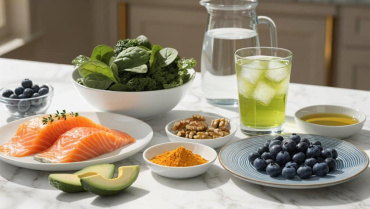
When your goal is healthier-looking skin, the most useful gut-friendly foods are those that support a diverse microbiome, strengthen the intestinal barrier, and help moderate inflammation. Prioritize seasonal produce, legumes, oats, nuts, collagen rich foods, and omega 3 sources; together, they amplify fiber benefits and the antioxidants role in skin resilience.
| Food group | Key benefit | Practical use |
|---|---|---|
| Oats | Barrier support | Breakfast bowls |
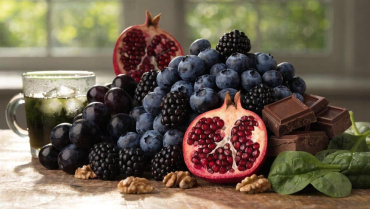
| Berries | Antioxidant support | Snacks |
| Salmon | Anti-inflammatory fats | Dinner |
| Beans | Microbiome diversity | Soups |
| Fermented vegetables | Digestive support | Small sides |
Support the gut brain connection through mindful eating, consistent hydration habits, and gentle cooking methods like steaming. Clinically, these patterns may improve digestive regularity, nutrient absorption, and visibly calmer, healthier-looking skin over time with consistency. In tandem with these foods, regular physical activity that supports overall metabolic health can further reduce systemic inflammation and indirectly benefit skin appearance.
Probiotic Foods That Support Gut and Skin Balance

Although probiotics aren’t a cure-all for skin concerns, regularly eating fermented foods with live cultures can help support microbial balance in the gut, which may in turn influence inflammation, intestinal barrier function, and overall skin appearance. To diversify beneficial bacteria, you can rotate yogurt varieties, kefir smoothies, kimchi dishes, and other fermented vegetables through your meals. Fermented beverages may also fit, and kombucha benefits likely relate more to strain diversity than dramatic detox effects. Choosing refrigerated, minimally processed options with documented live cultures is a practical way to support gut flora and digestive health. You can also use probiotic snacks like cultured cottage cheese or unsweetened drinkable yogurt when convenience matters. While responses vary, consistent intake of these foods may modestly support gut and skin balance over time, especially within an overall nutrient-dense diet. By pairing probiotic foods with a balanced diet and other healthy lifestyle habits, you can help support overall skin health and appearance.
Prebiotic Foods That Feed a Healthy Gut
Probiotics add beneficial microbes, but prebiotic foods help nourish the bacteria already living in your gut. When you choose prebiotic sources regularly, you support gut diversity through the fermentation process, which is linked with digestive health and efficient nutrient absorption. Smart food choices include plant based options that deliver clear fiber benefits without excess additives. Supporting your gut with prebiotic foods may also help reduce the long‑term risk of micronutrient deficiencies that contribute to global malnutrition.
| Prebiotic food | Practical role |
|---|---|
| Oats | Feed helpful bacteria, support regularity |
| Onions and garlic | Provide fermentable fibers for gut diversity |
In practice, you’ll do well with oats, onions, garlic, leeks, asparagus, bananas, and legumes. These foods are clinically associated with improved microbial balance and better stool patterns. Building them into meals steadily is often better tolerated than adding large amounts at once.
Skin- and Gut-Supporting Nutrients to Prioritize
Beyond fiber alone, several nutrients matter because they help maintain the gut lining, support immune regulation, and contribute to normal skin structure and appearance. Prioritize omega fatty acids for barrier function, antioxidant benefits from deeply colored produce, and vitamin rich foods that supply A, C, D, and E for collagen support and balanced inflammation. Notably, vitamin E acts as a fat-soluble antioxidant that helps protect cell membranes from reactive oxygen species, with alpha-tocopherol being the most biologically active form in the body. You’ll also benefit from protein, zinc, and fermented options, which may reinforce gut healing, microbiome diversity, and nutrient absorption. Pairing fiber sources with healthy fats demonstrates food synergy, helping your body use carotenoids and polyphenols more effectively. Don’t overlook hydration importance either, since adequate fluid intake supports digestion, stool consistency, and skin moisture. Together, these nutrients create a clinically sensible foundation for resilient digestion and clearer-looking skin over time, with measurable benefits.
Easy Ways to Eat More Gut-Friendly Foods

You don’t need a major diet overhaul to support your gut microbiome and, in turn, your skin’s appearance. Simple daily swaps—like choosing yogurt, kefir, oats, beans, or fermented vegetables more often—can help increase beneficial bacteria and fiber intake. You can also make probiotic-rich meals easy by adding cultured foods to breakfasts, snacks, and grain bowls you already eat. Choosing more plant-based options and reducing red and processed meat can support both a healthier gut and sustainable dietary choices that benefit the environment.
Simple Daily Food Swaps
Because consistency matters more than perfection, simple food swaps can make it easier to support your gut microbiome without overhauling your entire diet. Start with breakfast swaps like oats instead of sugary cereal, or plain yogurt with berries over pastries. For beverage choices, choose kefir or unsweetened tea instead of soda.
At lunch, focus on lunch upgrades such as adding beans, greens, and whole grains. Build dinner variations by replacing refined pasta with legumes or fiber-rich grains. Use snack alternatives like fruit, nuts, or edamame instead of chips. Consider meal replacements carefully; when needed, choose options with fiber and minimal added sugar. For dessert substitutions, try chia pudding or fruit with nuts. These changes can improve fiber intake, microbial diversity, and potentially skin-supportive inflammation balance over time.
Easy Probiotic Meal Ideas
If adding probiotic foods feels complicated, start with meals you already eat and layer in one fermented ingredient at a time. You can blend yogurt smoothies or kefir parfaits at breakfast, then add pickled vegetables to lunch wraps or probiotic bowls. At dinner, try miso soup, tempeh stir fry, kimchi tacos, or a sauerkraut salad alongside lean protein and fiber-rich grains.
These choices support microbial diversity, which may influence inflammation and skin barrier function through the gut-skin axis. Keep portions moderate, since tolerance varies, especially with kombucha drinks and other fermented snacks. Choose products with live active cultures and limited added sugar when possible. Rotating probiotic foods can improve adherence and nutrient variety while helping you build a sustainable, gut-friendly routine for healthier-looking skin over time.
Frequently Asked Questions
Can Gut-Friendly Foods Affect Acne Scars or Only Active Breakouts?
You’ll likely see gut-friendly foods help active breakouts more than acne scars; while probiotic sources support inflammation reduction, evidence suggests they can’t erase scars, though they may aid healing and possibly limit future scar formation.
How Long Before Dietary Changes Visibly Improve Skin Appearance?
You may notice visible results within 4–12 weeks; your dietary timeline depends on baseline nutrition, consistency, acne severity, and inflammation. Clinically, sustained nutrient-dense eating supports gradual skin turnover, barrier repair, and fewer breakouts over time.
Can Medications Interfere With Gut-Friendly Foods for Skin Benefits?
Yes—up to 50% of medications can affect digestion or microbiota, so you may see reduced skin-related benefits. Some medication interactions impair nutrient absorption, alter bacterial balance, or change stomach acid, which can limit results.
Are Gut-Friendly Foods Safe for People With Sensitive Digestive Conditions?
Yes, you can usually eat gut-friendly foods safely with sensitive digestive conditions, but you’ll need individualized choices. Start with gentle probiotic sources, monitor symptoms, and adjust fiber intake gradually, ideally with guidance from your clinician.
Do Cooking Methods Change the Skin Benefits of Gut-Friendly Foods?
Like a telegram, yes—Cooking Techniques affect your skin benefits; Nutrient Preservation supports antioxidants, Flavor Enhancements can increase intake, and better Digestive Efficiency may aid absorption. You’ll usually retain more value with gentle steaming than high-heat frying.

Add Comment