

In the mirror, your skin can seem thinner, drier, and less resilient with each passing year. That shift isn’t only about age or sun exposure; it’s also tied to how well you meet your protein needs. You need amino acids to support collagen, elastin, barrier repair, and normal tissue turnover. When intake falls short, skin quality can change in subtle but measurable ways—and that’s where the discussion starts.
Key Takeaways
- Protein provides amino acids needed to maintain collagen, elastin, and the skin barrier as skin ages.
- Aging slows skin repair and protein turnover, so older adults often need more protein to support resilience and healing.
- Too little protein can show up as dryness, fragile skin, easy bruising, and slower healing of minor cuts.
- Aim for about 1.0–1.2 grams of protein per kilogram daily, spread across meals with 25–30 grams each.
- Prioritize high-quality proteins like fish, eggs, dairy, beans, lentils, soy, nuts, and collagen-rich options.
Does Protein Help Aging Skin?

Although protein won’t erase wrinkles on its own, getting enough is important for aging skin because amino acids support the ongoing repair and turnover of collagen, elastin, and other structural proteins. In practice, adequate intake may help you maintain skin elasticity and barrier function, which influences skin hydration and texture. Different protein types can contribute useful amino acid profiles, but benefits depend on overall dietary balance, not single foods alone. Protein timing may also matter if it helps you distribute intake consistently across meals, supporting steady tissue maintenance. Still, aging effects on skin reflect more than protein status; nutrient absorption, total energy intake, and lifestyle factors such as sun exposure, sleep, and smoking also shape outcomes. You’ll see the best support when protein fits within a nutrient-dense eating pattern. In fact, pairing protein with the right vitamins and minerals can further support anti-aging effects and overall skin health as part of a nutrition-focused approach.
Why Does Aging Skin Need More Protein?
As skin ages, its protein turnover slows while losses in dermal collagen, elastin, and repair capacity become more pronounced, which raises the importance of adequate dietary protein. You need more consistent amino acid intake because older skin repairs barrier disruption less efficiently and recovers more slowly from environmental stress. Clinically, inadequate protein can impair keratin production, wound healing, and epidermal renewal, all of which affect texture, resilience, and skin hydration. Since food systems account for roughly one-quarter of greenhouse gas emissions, choosing balanced, protein-rich meals that emphasize plant-forward options can also support environmental sustainability as you support your skin.
- Supports epidermal cell replacement and barrier maintenance
- Helps preserve lean mass that influences nutrient delivery to skin
- Reduces risk of deficiency during lower appetite or illness
Prioritizing high-quality protein sources at each meal helps you meet increased needs with aging. That nutritional foundation supports stronger skin function, especially when total energy intake declines over time.
How Does Protein Support Collagen and Elastin?
Because collagen and elastin are protein-based structural components of the dermis, your body depends on a steady supply of dietary amino acids to synthesize, repair, and maintain them. When you eat adequate protein, you provide glycine, proline, and lysine, which are especially important for collagen synthesis and dermal matrix turnover. Protein also supports the enzymes and cofactors involved in tissue remodeling. For example, amino acids help form procollagen chains, while sufficient overall protein intake helps your body prioritize skin maintenance alongside other essential functions. Elastin production likewise requires amino acid availability to assemble resilient elastic fibers that help skin stretch and recoil. In practical terms, meeting your daily protein needs helps preserve the biochemical foundation of skin structure, especially as age-related declines in anabolic efficiency make protein utilization less robust over time. A broadly healthy diet that emphasizes adequate protein, fruits, vegetables, and whole grains helps supply the amino acids and micronutrients needed to support ongoing collagen and elastin production as you age.
What Are Signs of Low Protein in Skin?

If your protein intake is too low, your skin may repair more slowly because amino acids are required for tissue rebuilding and barrier maintenance. You might also notice increased dryness, since inadequate protein can impair the skin’s structure and its ability to retain moisture. Over time, that combination can make your skin feel more fragile and less resilient. Men and women who struggle to meet their needs through food sometimes rely on protein powders to help support skin and tissue repair as they age.
Slower Skin Repair
When protein intake is consistently too low, your skin often heals more slowly because it has fewer amino acids available to build collagen, repair tissue, and support immune defenses at the wound site. This can disrupt the collagen synthesis process and reduce key skin regeneration factors needed for timely recovery after cuts, abrasions, or irritation.
You may notice:
- Minor cuts closing more slowly than expected
- Post-procedure skin taking longer to recover
- Blemishes or scratches lingering with prolonged redness
Protein also supplies substrates for fibroblast activity, angiogenesis, and enzymatic repair pathways. If your intake stays inadequate, inflammatory signaling may persist longer, and tissue remodeling can be delayed. Over time, slower repair can become a practical sign that your skin isn’t getting enough dietary protein consistently each day.
Increased Dryness And Fragility
Along with slower repair, low protein intake can make skin feel drier, thinner, and more fragile. Protein supports the structural matrix that helps maintain skin hydration and moisture retention, so inadequate intake may weaken barrier function and increase water loss. You might notice tightness, flaking, or skin that bruises and tears more easily.
These changes can resemble normal aging symptoms, but poor protein absorption, limited dietary changes, or broader nutrient balance issues may contribute. Environmental factors like low humidity, sun exposure, and harsh skincare products can further stress already vulnerable skin. While skincare routines may improve surface comfort, they can’t fully correct protein-related fragility. Reviewing lifestyle choices, optimizing protein quality, and using supportive skincare products can help protect function while addressing nutrition-based dryness.
How Much Protein Supports Healthy Aging Skin?

How much protein does aging skin actually need? For most older adults, your daily intake should generally reach 1.0–1.2 grams of protein per kilogram of body weight, above the 0.8 g/kg minimum. That higher range better supports collagen turnover, wound repair, and maintenance of the skin barrier. As part of a broader approach to healthy aging, adequate protein intake can also support body composition in the context of weight management strategies that reduce obesity-related strain on skin and overall health.
- Aim higher with age: Skin protein synthesis becomes less efficient, so your needs often increase.
- Distribute intake evenly: About 25–30 grams per meal may improve amino acid availability across the day.
- Match needs to health status: Illness, injury, or undernutrition can raise targets to 1.2–1.5 g/kg under clinical guidance.
Your protein sources matter for meeting total needs, but the first priority is consistency. If you’re eating too little protein overall, skin structure and resilience can decline over time more quickly.
What Are the Best Protein Foods for Skin?
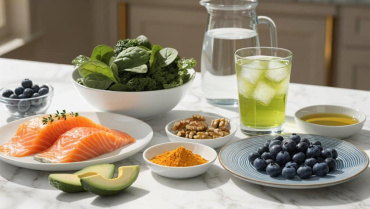
For skin health, you’ll get the most benefit from protein foods that supply essential amino acids needed for collagen synthesis and tissue repair. Collagen-supportive choices such as fish, eggs, dairy, and poultry can help you meet those needs, while lean proteins also limit excess saturated fat that may undermine overall metabolic health. You can also support aging skin with plant proteins like soy, beans, lentils, and nuts, which add protein alongside antioxidants and other nutrients linked to skin integrity. Because many nuts and seeds also provide vitamin E, they can contribute antioxidant protection that helps defend skin cell membranes from oxidative damage as you age.
Collagen-Boosting Protein Sources
While no single food can “turn on” collagen production by itself, protein-rich foods that provide ample glycine, proline, lysine, and leucine can support the amino acid supply your body uses to build and maintain skin structure. To support collagen synthesis and skin elasticity, focus on strategic dietary sources and consistent intake across the day.
- Eggs supply leucine and lysine, supporting protein digestion and tissue repair.
- Dairy foods provide complete protein plus leucine, which may help stimulate skin-related protein turnover.
- Gelatin or collagen peptides contribute concentrated glycine and proline, key amino acid building blocks.
You’ll likely benefit most when nutrient timing is steady rather than sporadic. Pairing these protein foods with vitamin C-rich produce can further support collagen assembly, since vitamin C acts as an essential enzymatic cofactor.
Skin-Friendly Lean Proteins
Because skin is a protein-rich tissue with high turnover, the best protein foods for skin are typically lean, complete sources that deliver essential amino acids—especially leucine, lysine, and methionine—without excess saturated fat or added sugar.
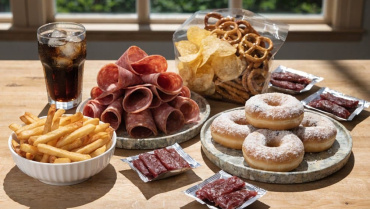
For skin nutrition, prioritize fish, skinless poultry, eggs, low-fat Greek yogurt, cottage cheese, and whey-rich dairy. These lean protein sources support collagen synthesis, barrier repair, and epidermal renewal while limiting pro-inflammatory dietary load. Fatty fish also provide omega-3s, which may help moderate inflammation and support membrane function. Aim to distribute protein evenly across meals, since amino acid availability influences tissue repair throughout the day. You don’t need excessive portions; consistent, high-quality intake matters more. Choose minimally processed options over breaded, cured, or sweetened proteins to better support healthy aging skin over time.
Plant Proteins For Skin
Although plant proteins can fully support skin health, the strongest choices are those that provide adequate essential amino acids along with complementary nutrients such as vitamin C, zinc, copper, and polyphenols. For collagen maintenance and barrier repair, you’ll do best by varying your protein sources across legumes, soy foods, nuts, seeds, and whole grains.
- Soy foods: Tofu, tempeh, and edamame deliver high-quality protein plus isoflavones, which may support skin elasticity.
- Legumes: Lentils, beans, and peas provide lysine, iron, and polyphenols that help protect against oxidative stress.
- Seeds and nuts: Pumpkin seeds, hemp, chia, and almonds add protein, zinc, copper, and vitamin E for wound healing and barrier function.
These combinations maximize plant based benefits while supporting healthy aging skin over time.
Can Protein Powders Support Aging Skin?
As skin ages, its collagen content, elasticity, and moisture retention tend to decline, and adequate protein intake helps supply the amino acids needed for ongoing collagen and keratin synthesis. Protein powders can help you meet daily needs when appetite, chewing difficulty, or low meal protein makes intake inconsistent. Different protein types offer similar core benefits if they provide enough essential amino acids, especially leucine, to support tissue protein turnover. Whey is rapidly digested, while casein digests more slowly; soy and pea can also contribute effectively. If your total intake is low, supplementing may indirectly support skin hydration by helping maintain dermal structure and barrier proteins. Choose products with minimal added sugar and adequate protein per serving. Powders work best as a convenient nutrition tool, not a replacement for balanced meals. Because vitamins A, D, E, and K are fat‑soluble vitamins that require dietary fat for optimal absorption, pairing protein powders with a source of healthy fat may further support skin health.
What Can Limit Protein’s Benefits for Skin?
Even if you increase protein intake, skin benefits may be modest when total calories are too low, hydration is poor, or key cofactors for collagen formation—especially vitamin C, zinc, and copper—are inadequate.
- Low energy intake can divert amino acids away from dermal repair toward essential metabolism, limiting collagen support.
- Impaired protein absorption from digestive conditions, medications, or age related factors may reduce amino acid availability despite adequate protein sources.
- Poor dietary balance can weaken nutrient synergy; without antioxidants, essential fats, and minerals, skin hydration, barrier function, and matrix turnover may suffer.
You should also consider that inflammation, chronic hyperglycemia, and smoking can increase collagen breakdown. Clinically, protein helps most when your overall nutritional status supports tissue maintenance and repair effectively. Additionally, chronic stress and poor mental health can indirectly impair skin repair by disrupting sleep, hormone balance, and self-care habits that support healthy collagen renewal.
How Do You Build a Skin-Friendly Protein Routine?
A skin-friendly protein routine works best when you spread adequate, high-quality protein across the day and pair it with the nutrients that support collagen synthesis and tissue repair. Aim for balanced meals containing complete protein sources, such as fish, eggs, dairy, soy, or lean poultry, so you consistently supply essential amino acids, especially leucine, glycine, and proline. Including sources of omega-3 fats like salmon, walnuts, flaxseed, or chia seeds can further support skin health through their anti-inflammatory and barrier-protective effects.
Your protein timing matters because aging skin benefits from regular amino acid availability rather than one large evening intake. Include vitamin C-rich produce to support collagen formation, and don’t neglect zinc, copper, and omega-3 fats, which influence barrier function and inflammation. Pair protein with fluids and electrolyte-rich foods to reinforce skin hydration. If your appetite is low, use Greek yogurt, cottage cheese, tofu, or a protein smoothie to meet needs efficiently each day.
Frequently Asked Questions
Can Hormonal Changes Affect How Skin Uses Dietary Protein?
Yes—hormonal changes can alter how your skin uses dietary protein by affecting protein synthesis, collagen turnover, and amino acid delivery. If your hormonal balance shifts, your skin’s repair capacity and structural support can decline.
Does Meal Timing Influence Protein Absorption for Skin Health?
Yes—meal timing can influence protein absorption for skin health; your skin is a construction site. You’ll likely benefit from consistent meal frequency and varied protein sources, which support amino acid availability for collagen synthesis and repair.
Are Plant Proteins as Effective as Animal Proteins for Aging Skin?
Yes, you can support aging skin with plant protein sources, but they’re usually less effective alone because amino acid profiles differ. You’ll get better clinical results by combining complementary proteins and meeting total daily protein needs.
Can Medications Interfere With Protein Metabolism in the Skin?
Yes—some medications can impair protein synthesis in your skin. You may see medication effects through reduced nutrient absorption, altered amino acid use, or inflammation, which can compromise your skin health and slow repair or collagen turnover.
Should People With Kidney Issues Adjust Protein for Skin Support?
Yes—like tuning a violin string, you should adjust intake with your clinician; one nephrology review found individualized protein improves outcomes. Choose appropriate protein sources, protect kidney function, respect dietary restrictions, and support skin hydration safely.
Add Comment