

If your skin looks flat, tired, or uneven no matter what you put on it, you’re likely dealing with true dullness, not just “bad lighting.” Factors like slowed cell turnover, subtle dehydration, pollution, and barrier damage all play a role—and quick fixes rarely address the root causes. The good news: with targeted ingredients, a structured routine, and a few strategic lifestyle shifts, you can systematically restore brightness and resilience—but only if you…
Key Takeaways
- Cleanse gently twice daily to remove buildup without stripping the skin barrier, creating a smoother surface that reflects light better.
- Exfoliate 1–3 times weekly with AHAs to boost cell turnover, soften texture, and reduce dull, flaky patches.
- Apply targeted serums with vitamin C, niacinamide, or retinoids to brighten tone, fade discoloration, and support collagen.
- Moisturize and wear broad-spectrum SPF every morning to maintain hydration, protect collagen, and prevent new sun-induced dullness.
- Support skin from within with antioxidant-rich foods, omega-3 fats, consistent sleep, stress management, and steady water intake.
Understanding What Makes Skin Look Dull
When skin looks dull, it’s usually due to a combination of surface texture changes, disrupted light reflection, and underlying physiologic factors such as slowed cell turnover, dehydration, and impaired barrier function. You see less radiance because an uneven skin texture scatters light instead of reflecting it uniformly. Microscopic buildup of corneocytes, excess sebum oxidation, and low‑grade inflammation all contribute to a rough, matte appearance.
Intrinsic aging reduces collagen, elastin, and hyaluronic acid, so your skin doesn’t bounce light back as efficiently. Pigment irregularities—like subtle mottling or post‑inflammatory marks—create a visually “muddy” tone even when you’re not tanned. In parallel, environmental factors such as UV radiation, pollution, and climate extremes generate oxidative stress that accelerates these texture and tone disturbances. Consistent use of well‑chosen moisturizers can help improve skin hydration and barrier function, which in turn enhances light reflection and reduces the look of dullness.
Everyday Habits That Steal Your Natural Glow
Although dullness can reflect intrinsic aging and genetics, it’s often reinforced by small, repeated habits that slowly erode your skin’s ability to reflect light. Chronic, unprotected sun exposure accelerates collagen breakdown, generates free radicals, and disrupts melanocyte activity, creating uneven tone and a rougher surface that scatters rather than reflects light.
A consistently poor diet low in antioxidants, essential fatty acids, and protein deprives your skin of the substrates it needs for ideal barrier function and cell turnover. Inadequate sleep raises cortisol, impairing repair mechanisms and microcirculation, so your complexion looks sallow. Smoking, high alcohol intake, and chronic stress further restrict blood flow and increase oxidative stress. Even constant screen time, with reduced blinking and eye strain, can enhance a tired, lackluster appearance. In addition, neglecting simple habits like daily cleansing and moisturizing routines can weaken the skin barrier and contribute to a dull, rough texture over time.
Building a Radiance-Boosting Skincare Routine
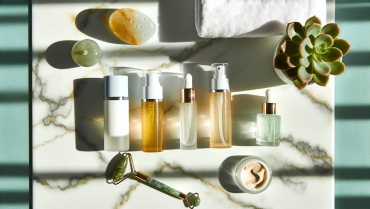
Even if your habits are still a work in progress, a targeted skincare routine can markedly improve luminosity by optimizing three core processes: barrier integrity, cell turnover, and pigment regulation. Start with a gentle, non-stripping cleanser, then apply radiance serums to address uneven tone and light reflection. Follow with a barrier-supportive moisturizer and broad-spectrum SPF every morning to prevent recurrent dullness. Because nutritional balance influences skin repair, avoiding extreme calorie restriction helps ensure you’re getting the essential vitamins, minerals, and fatty acids your skin needs to stay radiant.
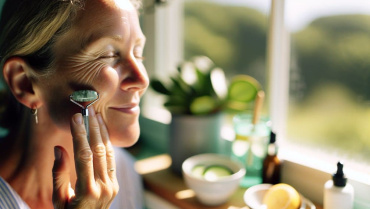
Use exfoliation techniques strategically rather than aggressively; over-exfoliation disrupts the barrier and increases inflammation, which ultimately dims skin.
To structure your routine:
- Morning: gentle cleanse, radiance serums, moisturizer, sunscreen.
- Evening: remove sunscreen/makeup, cleanse, targeted treatment, moisturizer.
- Weekly: incorporate mild, well-tolerated exfoliation techniques, adjusting frequency to your skin’s sensitivity and recovery.
Star Ingredients That Brighten and Smooth
Four ingredient categories have the strongest evidence for boosting radiance by smoothing texture, evening tone, and enhancing light reflection: exfoliating acids, retinoids, antioxidant systems, and pigment modulators. Alpha Hydroxy Acids (like glycolic and lactic acid) accelerate controlled cell turnover; when you use sound Exfoliation Techniques—low concentrations, limited frequency—you refine texture without barrier damage.
Retinoids (retinol, retinal, prescription tretinoin) upregulate collagen and normalize keratinization, reducing roughness and fine lines over months, not days. Antioxidant systems hinge on stabilized Vitamin C (ascorbic acid or derivatives), which neutralizes free radicals and fades post‑inflammatory hyperpigmentation. Pigment modulators such as niacinamide deliver well‑documented Niacinamide Benefits: reduced melanin transfer, strengthened barrier, and decreased sallowness. Combining these, introduced gradually, yields measurable brightness gains.
Lifestyle Tweaks for Long-Lasting Luminosity
While formulas can correct surface issues, daily habits largely determine whether that brightness actually lasts. To sustain luminosity, treat skin as an organ integrated with sleep, stress, and metabolic health, not as an isolated surface.
Your most impactful tweaks:
1. Targeted dietary changes
Prioritize low–glycemic whole foods, omega‑3 fats, lean protein, and deeply colored fruits/vegetables. They supply antioxidants and essential fatty acids that stabilize the barrier and reduce glycation‑related dullness. Emerging research on intermittent fasting suggests that, when medically appropriate, it may modestly support metabolic health, which can indirectly benefit overall skin appearance.
2. Structured hydration habits
Aim for steady water intake across the day, limit dehydrating alcohol, and moderate caffeine. Internal hydration supports turgor, while topical humectants “lock in” this balance.
3. Sleep‑stress optimization
Maintain 7–9 hours of consistent sleep and use evidence‑based stress reduction (exercise, CBT, mindfulness). This lowers cortisol, which otherwise impairs barrier repair, microcirculation, and overall radiance.

Add Comment