
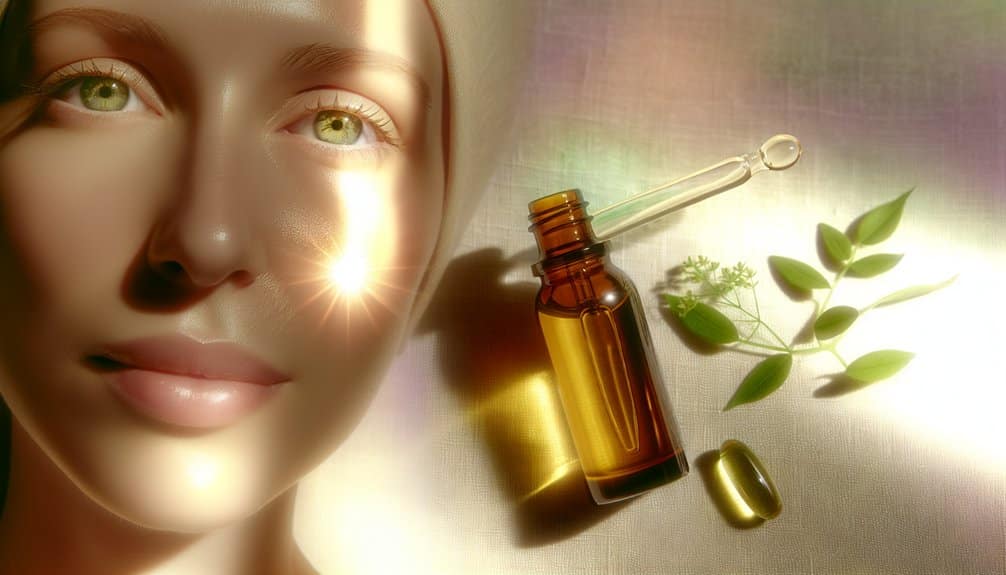
If you’re wondering whether vitamin E can genuinely improve your skin’s health as you age, it’s worth knowing how it actually works in your skin, not just in theory. This antioxidant doesn’t just “nourish” the skin; it helps stabilize cell membranes, support barrier function, and modulate inflammation. But its benefits—and risks—depend heavily on the form you use, the dose, and your skin type, which is where things get more interesting.
Key Takeaways
- Vitamin E is a fat-soluble antioxidant that protects skin cell membranes from free-radical damage, slowing visible signs of aging.
- It helps defend against UV-induced oxidative stress, especially when paired with vitamin C, supporting smoother texture and more even skin tone.
- By reducing transepidermal water loss, vitamin E supports the skin barrier, improving hydration, elasticity, and suppleness.
- Its anti-inflammatory properties can calm redness and irritation, making it useful for sensitive, eczema-prone, or rosacea-prone skin.
- Regular topical or dietary vitamin E, used in appropriate, gentle formulations, supports long-term skin resilience and healthier aging.
What Is Vitamin E and How Does It Work in the Skin?
Although it’s often talked about as a single ingredient, “vitamin E” actually refers to a family of fat-soluble compounds (mainly tocopherols and tocotrienols) that act as powerful antioxidants within your skin. You mainly obtain them from dietary vitamin E sources such as nuts, seeds, vegetable oils, and fortified foods. Because tocopherols and tocotrienols are lipid-soluble antioxidants, they are uniquely effective at protecting the fatty components of cell membranes from oxidative damage.
Because vitamin E is fat-soluble, vitamin E absorption depends on normal digestion of dietary fats and adequate bile and pancreatic function. Once absorbed, it’s transported in the bloodstream and gradually integrates into cell membranes, including those in your epidermis and dermis.
In your skin, vitamin E stabilizes cell membranes, supports barrier function, and helps maintain moisture balance. It also regenerates partially when paired with vitamin C, prolonging its protective activity.
Antioxidant Protection: Shielding Skin From Environmental Damage
When you apply or ingest vitamin E, it helps neutralize free radicals that would otherwise damage skin cells and accelerate visible aging. Research also shows that vitamin E can support your skin’s natural defense against UV-induced oxidative stress when used alongside, but not in place of, broad-spectrum sunscreen. In addition, vitamin E contributes to a stronger skin barrier, helping your skin retain moisture and better resist environmental irritants and pollutants.
Neutralizing Free Radicals
Even in healthy skin, constant exposure to UV radiation, pollution, and normal metabolic processes generates free radicals—highly reactive molecules that damage lipids, proteins, and DNA in skin cells. When free radical production exceeds your skin’s antioxidant capacity, cumulative skin damage develops, contributing to dullness, uneven texture, and visible aging.
Vitamin E helps you restore balance by donating an electron to stabilize free radicals before they attack critical cell structures. Because it’s lipid-soluble, vitamin E positions itself within cell membranes and the skin’s lipid matrix, where oxidative injury is most active. This targeted neutralization supports barrier integrity, reduces microscopic inflammation, and helps preserve collagen-supporting structures. In practice, consistent vitamin E intake or topical use can support more resilient, less stressed skin over time.
Defense Against UV Stress
While sunscreen remains your primary defense against sun damage, vitamin E adds an important layer of protection by helping skin manage the oxidative stress triggered by UV exposure. When UV rays penetrate your skin, they generate reactive oxygen species that damage lipids, proteins, and DNA. Vitamin E, a lipid-soluble antioxidant, localizes in cell membranes and intercepts these free radicals before they propagate injury.
You’ll often see vitamin E combined with vitamin C in sun protection formulas because this pairing stabilizes both antioxidants and enhances UV-induced free radical neutralization. Clinical studies show that topical vitamin E can reduce markers of photodamage, supporting smoother texture and more even tone over time—key elements of skin rejuvenation. It doesn’t replace sunscreen, but it makes your overall photoprotection strategy more resilient.
Strengthening Skin Barrier
A resilient skin barrier is your first line of defense against environmental stressors, and vitamin E plays a direct role in keeping that barrier intact. As a fat‑soluble antioxidant, it settles into the lipid matrix of your outer skin layer, neutralizing free radicals before they damage cell membranes and barrier lipids.
By stabilizing these lipids, vitamin E supports smoother barrier function, which helps maintain moisture retention and reduces transepidermal water loss. This hydration stability directly supports skin elasticity, so your skin looks and feels more supple rather than tight, rough, or reactive.
You’ll see the greatest benefit when vitamin E is combined with other barrier‑supporting agents, such as ceramides and hyaluronic acid, especially if your skin is dry, sensitive, or frequently exposed to pollution.
Moisture, Barrier Support, and Smoother Texture
Moisture balance is one of the most practical ways vitamin E supports healthier skin, helping your barrier stay intact so it can retain water and resist irritation. By reinforcing lipids in the outermost layer, vitamin E helps stabilize hydration levels and limit transepidermal water loss, so your skin feels more supple and less tight. This improvement in moisture directly supports skin elasticity, making your complexion look smoother and more even.
You’ll also notice textural benefits when vitamin E is combined with other emollients or humectants, such as glycerin or hyaluronic acid. Together, they soften rough patches, reduce flakiness, and enhance overall smoothness. For sensitive or compromised skin, vitamin E can reduce dryness-related redness, helping your skin feel comfortable, resilient, and consistently well-hydrated.
Vitamin E’s Role in Reducing Fine Lines and Wrinkles
Even though no single ingredient can erase wrinkles, vitamin E can meaningfully support your skin’s defenses against the processes that lead to fine lines. By limiting oxidative damage to lipids and proteins in the dermis, vitamin E helps preserve collagen synthesis and maintains enzymes that organize collagen fibers. This supports skin elasticity, so expression lines are less likely to etch in as permanent wrinkles.
You’ll usually see vitamin E paired with other actives:
| Form / Use | Clinical Rationale |
|---|---|
| Topical alpha-tocopherol | Direct antioxidant action in skin lipids |
| Vitamin E + vitamin C | Synergistic photoprotection against UV |
| Vitamin E in sunscreens | Helps reduce UV-induced oxidative stress |
| Night creams/serums | Targets repair during nocturnal cell turnover |
| Oral supplementation | Supports systemic antioxidant status (if deficient) |
Calming Inflammation and Supporting Sensitive or Irritated Skin
When skin’s already reactive or inflamed, vitamin E can act as a secondary line of defense that dampens irritation rather than stimulating it further. Its antioxidant and membrane-stabilizing actions help reduce oxidative stress that often worsens redness, burning, and swelling.
You’ll see the most benefit if your skin’s prone to eczema, rosacea, or post-procedure sensitivity, where vitamin E’s soothing properties can support barrier repair and comfort. By limiting lipid peroxidation in cell membranes, it helps maintain a more stable barrier, so external triggers are less likely to provoke skin irritation.
Vitamin E also modulates inflammatory mediators, which may translate clinically into less erythema and discomfort over time, especially when combined with gentle, fragrance-free formulations tailored for sensitive or compromised skin.
Best Ways to Use Vitamin E in Your Skincare Routine
Although vitamin E shows clear benefits on paper, how you introduce it into your routine determines whether it actually helps your skin or just increases the risk of irritation or breakouts. For most people, a gentle topical application is the most direct option: look for serums or creams listing “tocopherol” or “tocopheryl acetate” near the middle of the ingredient list, and apply after cleansing but before heavier moisturizers.
Use vitamin E strategically—at night, and ideally paired with vitamin C or sunscreen during the day for synergistic antioxidant protection.
| Goal | Best Format | How to Use Briefly |
|---|---|---|
| Daily antioxidant | Serum with vitamin C | Morning, under sunscreen |
| Barrier support | Cream with ceramides | Nightly, thin layer |
| Dry patches | Targeted ointment | Dab only on affected areas |
| Overall health | Oral supplementation | Take as directed by your clinician |
| Combination plan | Topical + oral | Coordinate with medical guidance |
Safety Tips, Side Effects, and Who Should Be Cautious
While vitamin E is generally safe for most people, it’s important to understand its potential side effects and when it may not be appropriate. You’ll want to know how your skin might react, especially if you have a history of allergies, acne, or sensitive skin. Here’s what current evidence suggests about who should be cautious or avoid vitamin E altogether.
Potential Side Effects
Even though vitamin E is widely marketed as “skin-safe,” it’s not risk‑free, and understanding potential side effects helps you use it more safely. You might notice mild irritation, clogged pores, or delayed allergic reactions such as redness, burning, or itching, especially with thick oils. Patch‑testing reduces this risk.
Systemic issues are rare with topical use, but high oral doses can interfere with blood clotting, so it’s crucial to follow evidence‑based dosage recommendations from your clinician or product label.
| Feeling | What It Might Mean |
|---|---|
| Sudden redness | Possible irritation |
| Persistent itching | Potential allergic reactions |
| New breakouts | Pore‑clogging formula |
| Easy bruising | Excess oral intake |
| “Something’s off” | Time to pause and reassess |
Who Should Avoid
Because vitamin E is often marketed as a gentle “cure‑all” for skin, it’s easy to overlook that some people really should limit or avoid it—especially in high doses. You’ll need particular caution if you’ve had allergic reactions or skin sensitivities to oils, emollients, or cosmetics, since vitamin E can trigger redness, itching, or contact dermatitis.
If you have acne‑prone or very oily skin, thick vitamin E oils may worsen breakouts. You should also talk with your clinician before using high‑dose oral vitamin E if you’re on blood thinners, have a bleeding disorder, upcoming surgery, or a history of stroke.
Pregnant, breastfeeding, or chronically ill? Don’t exceed recommended doses without medical guidance; ask your dermatologist or primary care clinician first.

Add Comment