
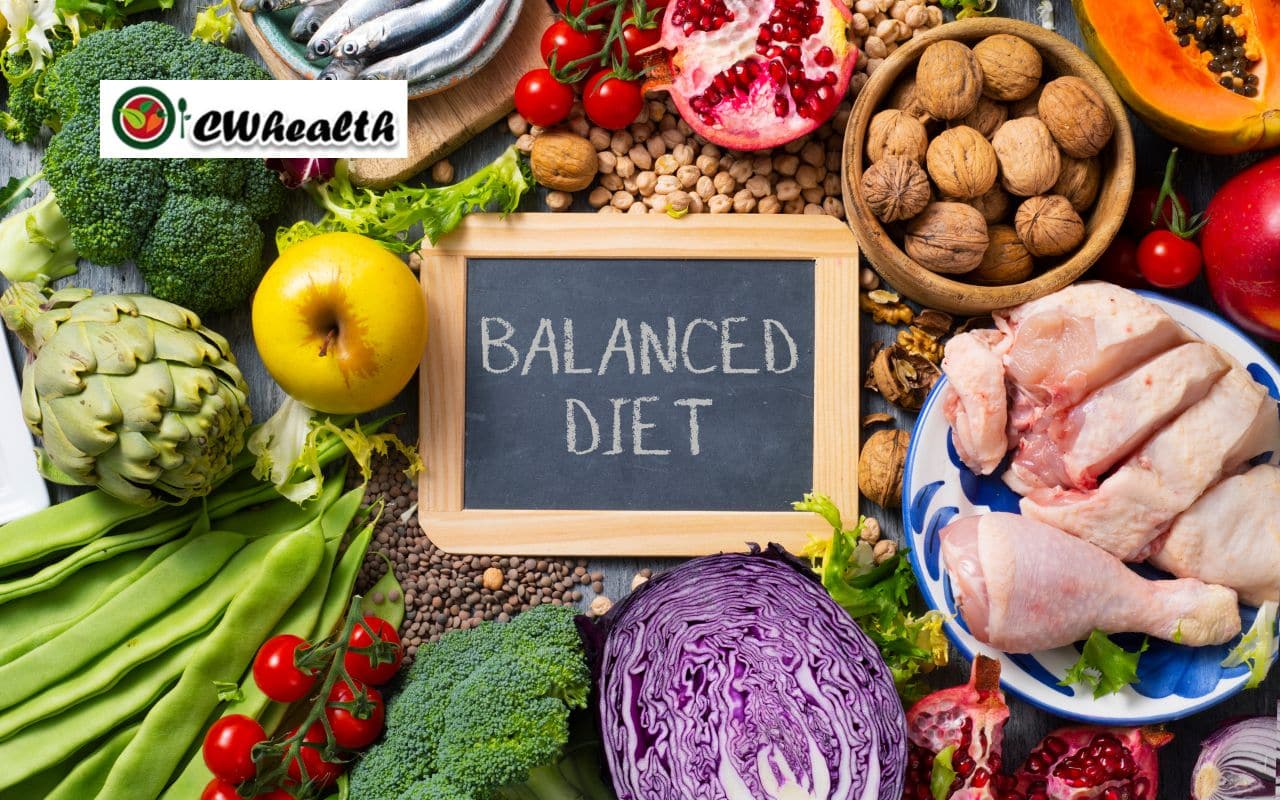
Embracing a diet rich in superfoods is a powerful step towards optimal health and vitality. These nutrient-dense foods can enhance your diet by boosting energy, supporting healthy aging, and reducing the risk of chronic diseases. At CW Health, we believe in the transformative power of nature’s most potent ingredients. From antioxidant-packed berries to omega-rich seeds, our curated selection of 15 superfoods offers practical options to elevate your daily nutrition. Incorporating these superfoods into your meals can improve overall well-being, nourish your body, and help you feel your best at every stage of life.
Key Highlights
- Superfoods enhance aging vitality by boosting energy, reducing chronic disease risks, and supporting overall wellness.
- Dark leafy greens and ancient grains are essential for heart health, digestion, and longevity.
- Almonds and macadamias support heart health through vitamin E and healthy fats reducing cholesterol.
- Garlic and beetroot’s antioxidants improve immunity and lower inflammation risks for aging gracefully.
- Avocados and blueberries boost skin health and immunity through healthy fats and antioxidants.
The Role of Antioxidant-Rich Superfoods in Health
Integrating antioxidant-rich superfoods into your daily routine can be transformative for both your short and long-term wellness. These foods, abundant in antioxidant compounds, not only protect your cells from oxidative stress but also enhance overall vitality. By focusing on plant foods teeming with vitamins and minerals, you’ll harness the profound health benefits they offer. From boosting immune function to promoting healthy skin, antioxidants play a crucial role. Dive into the various types of nutritious foods that can elevate your diet and understand why these vegetables are indispensable for optimal health.

Embracing a Diet Rich in Dark Leafy Greens
Dark leafy greens are a powerhouse of nutrients that truly deserve a place in your everyday meals. Packed with essential vitamins and minerals, these vegetables stand out in the world of antioxidant-rich superfoods. They offer a potent mix of health benefits, particularly due to their high concentrations of antioxidants. By incorporating dark leafy greens like kale, spinach, and Swiss chard, you’re giving your body access to vital elements that combat oxidative stress, a major factor in aging and various chronic diseases. These greens are not only rich in fiber, supporting digestive health, but also contribute significantly to heart health by lowering cholesterol levels and reducing inflammation.
One of the prominent aspects of dark leafy greens is their density of nutritious foods like vitamin K, vitamin C, and folate. These vitamins and minerals perform key functions in maintaining bone health, skin beauty, and supporting a robust immune system. The health benefits derived from these plant foods also include enhanced energy levels and better mental clarity. Their fiber content helps in weight management by promoting satiety, which is an excellent strategy for those looking to shed a few pounds while maintaining optimal health.
Moreover, embracing these greens in your diet can be quite versatile. Whether you’re blending them into a smoothie, crafting a vibrant salad, or sautéing them as a side dish, these vegetables integrate seamlessly into meals. Make it a habit to explore creative ways to add dark leafy greens to your diet. Not only will you enjoy the myriad health benefits, but your tastebuds will be pleased with the variety these antioxidant-rich vegetables bring to your table. Experience the vitality they offer by prioritizing them in your diet and observe how transformative these small changes can be in enhancing both your health and longevity. Start today by adding a handful of these versatile greens to your meals and soon, the positive changes will be evident in your daily health journey.
Incorporating dark leafy greens into your daily meals can be both simple and delicious. Here are some practical tips to help you effortlessly add these nutritional powerhouses to your diet:
- Blend a handful of spinach or kale into your morning smoothie for a nutrient boost without altering the taste.
- Add chopped kale or Swiss chard to your favorite soups and stews for extra vitamins and fiber.
- Include a mix of arugula and baby spinach in your sandwiches for a fresh, peppery flavor.
- Use collard greens as a wrap instead of tortillas to reduce carbs and add a nutritional punch to your meals.
- Top your pizza with fresh arugula or spinach just before serving for a crisp and healthy finish.
- Stir a handful of beet greens or mustard greens into your pasta dishes for added texture and nutrients.
- Enhance your scrambled eggs with sautéed Swiss chard or rainbow chard for a colorful, healthy breakfast.
- Prepare a side salad with mixed dark leafy greens, nuts, and a light vinaigrette to accompany your main course.
- Use bok choy or napa cabbage in your stir-fries for a crunchy, vitamin-rich addition.
By embracing these easy substitutions and additions, you can enjoy a healthier lifestyle packed with the many benefits of dark leafy greens. Start today and feel the positive changes in your wellbeing!
Nutrients from Nuts and Seeds: A Path to Vitality
Nuts and seeds are nature’s nutrient powerhouses, offering an incredible array of health benefits. Packed with vitamins, minerals, and healthy fats, they are essential components of any diet focused on enhancing vitality. By integrating these superfoods into your daily routine, you can support heart health, boost energy levels, and enjoy the wealth of antioxidants they provide. Focusing on the unique properties of almonds and macadamias can further amplify these benefits. Embrace these nutritious foods as part of your diet strategy for a healthier, more vibrant life.
The Unique Benefits of Incorporating Almonds and Macadamias
Almonds and macadamias, two popular nuts and seeds, are not only delicious but offer profound health benefits. Incorporating these nuts into your diet is a stride toward optimal health, as both are rich in essential vitamins and minerals. Almonds are particularly known for their high vitamin E content, a powerful antioxidant that helps protect cells from oxidative stress, promoting skin health and boosting the immune system. Additionally, these nuts contain beneficial monounsaturated fats that support heart health by improving cholesterol levels, contributing to reduced risk of heart disease. The fiber in almonds also enhances digestive health, aiding in weight management by increasing feelings of fullness and reducing overall calorie intake.
On the other hand, macadamias are renowned for their high-quality fat content and buttery taste. These nuts are a rich source of palmitoleic acid, a type of monounsaturated fat, which is linked to improved metabolic health and reduced inflammation. Macadamias offer a good amount of thiamine and manganese—vital nutrients for energy production and antioxidant functions—which further contribute to their status as superfoods. Including a handful of macadamias in your snack routine can enhance energy levels and support cognitive function, thanks to their unique nutrient profile.
Both almonds and macadamias have versatile uses that make them easy to incorporate into various meals. You can add them to salads, blend into smoothies, or enjoy them as part of a healthy snack mix. By regularly eating these nutritious foods, you’re not just indulging in their rich flavors but also supporting a comprehensive approach to health. Start reaping the benefits of these superfoods today and notice the positive impact on your wellbeing. Fuel your body with the vitality of almonds and macadamias, and take a confident step towards enhanced longevity.
Exploring Functional Foods for Holistic Wellness
Incorporating functional foods into your diet can significantly promote holistic wellness, offering numerous health benefits that are crucial for sustaining vitality. These foods, ranging from plant foods to antioxidant-rich vegetables, provide a wealth of vitamins and minerals essential for optimal health. Among the array of nutritious foods, garlic and beetroot emerge as standout superfoods due to their exceptional health-boosting properties. They not only support your immune system but also play a pivotal role in disease prevention, thanks to their rich antioxidant content. Let’s delve into how these vegetables enhance health and earn their superfood status.
How Garlic and Beetroot Enhance Health
Garlic, a cornerstone of functional foods, is renowned for its significant health benefits, making it an essential inclusion in any diet geared towards holistic wellness. Its superfood status is attributed to its high concentration of sulfur compounds, including allicin, which are known to boost immune function and reduce the risk of certain cancers. Garlic’s potent blend of vitamins and minerals fortifies your body, offering more than just a flavorful addition to your meals. As part of your healthy diet, garlic aids in managing cholesterol levels and blood pressure, significantly lowering the risk of heart disease. These benefits stem from its ability to fight inflammation, which is a key factor in many chronic health issues.
Beetroot, on the other hand, is an antioxidant-rich superfood that complements the health advantages of garlic. Its vibrant color is a testament to its high content of betalains and other antioxidants, substances that protect your cells from oxidative stress. This vegetable is packed with dietary fiber, essential for digestive health, while its blend of vitamins and minerals, including folate, vitamin C, and potassium, promotes energy production and muscle function. These nutrients work harmoniously to detoxify the liver, support brain health, and enhance overall vitality.
Together, garlic and beetroot form a powerful duo of plant foods that serve as nutritious foods in your quest for a healthier lifestyle. Incorporating these superfoods into your regular diet can be both simple and delicious—roast them for a savory side dish, blend them into soups, or extract their benefits through fresh juices. By prioritizing such antioxidant-rich vegetables in your daily meals, you’re making informed decisions that contribute to long-term health improvements. Embrace these convenient and effective dietary additions to enhance your well-being and take a proactive step towards aging gracefully with renewed energy and resilience.
Ancient Grains: Timeless Benefits for Modern Health
Dive into the world of ancient grains, celebrated for their enduring health benefits and superfood status. These whole grains are packed with essential vitamins, minerals, and fiber, making them a perfect addition to a nutritious diet. Embracing ancient grains like quinoa, farro, and spelt can significantly enhance your overall health by providing antioxidants that combat oxidative stress, thus promoting longevity. Explore how these plant foods can support a diet met with vitality and holistic wellness, and why making informed choices about these grains is crucial for a healthy lifestyle.
| Ancient Grain | Main Health Benefits | Nutrients Provided | Dietary Suggestions |
|---|---|---|---|
| Quinoa | Supports cardiovascular health, aids digestion, and assists in weight management. | High in protein, fiber, magnesium, and iron. | Use as a base for salads, substitute for rice, or in breakfast bowls. |
| Farro | Promotes heart health, supports weight loss, and improves digestive health. | Rich in fiber, protein, magnesium, and B vitamins. | Incorporate into soups, use in grain bowls, or as a side dish. |
| Spelt | Boosts immune system, improves bone health, and enhances circulation. | Contains dietary fiber, manganese, niacin, and phosphorus. | Enjoy in breads, pasta, or as a rice alternative. |
| Amaranth | Supports bone health, boosts immune function, and aids in muscle growth. | High in protein, calcium, iron, and magnesium. | Add to porridge, bake into granola, or mix into soups. |
| Teff | Improves digestion, helps manage diabetes, and enhances energy levels. | Rich in fiber, calcium, iron, and protein. | Use in pancakes, bread, or as a cereal base. |
This table highlights the health-enhancing properties of ancient grains and their role in contemporary nutrition.
Informed Choices for a Healthy Lifestyle
Incorporating ancient grains into your diet is a step towards embracing a healthy lifestyle enriched with vital nutrients. These whole grains, such as quinoa, amaranth, and millet, stand out for their rich concentration of fiber, aiding in digestive health and promoting a feeling of fullness that can assist in managing weight effectively. With their natural abundance of vitamins and minerals, they offer an incredible balance of nutrients compared to modern refined grains. For instance, quinoa is a complete protein, containing all nine essential amino acids, which is rare among plant foods and beneficial for maintaining muscle mass as we age.
The antioxidants found in ancient grains are another critical component that contributes to their superfood status. These compounds help neutralize free radicals in the body, thereby reducing inflammation and lowering the risk of chronic diseases. This protective effect can significantly improve cardiovascular health by enhancing blood lipid profiles and reducing the overall risk of heart disease. Furthermore, the diverse array of plant-based vitamins and minerals found in these grains—such as magnesium, iron, and zinc—play pivotal roles in energy production, oxygen transport, and immune function, ensuring that your body’s systems operate optimally.
By making informed dietary choices and integrating these nutritious foods into your daily meals, you can enjoy both immediate and long-term health benefits. Consider starting your day with a warm bowl of quinoa porridge or adding a handful of cooked spelt into your salad for lunch. Such dietary habits not only nourish your body but also encourage a mindful approach to eating that is central to maintaining health and vitality. As you delve deeper into the array of antioxidants and nutrients provided by ancient grains, you’ll see how their inclusion can truly transform your diet, supporting your holistic wellness and anti-aging goals. Embrace these grains as part of your routine to unlock a plethora of health benefits that have stood the test of time.

Avocado and Berries: Nature’s Nutrient Powerhouses
Embark on a journey to rejuvenate your diet with two of nature’s most potent superfoods: avocados and berries. Both hold a revered superfood status due to their remarkable concentration of vitamins, minerals, and antioxidants. Avocados are packed with heart-healthy fats and fiber, while berries like blueberries are known for their powerful antioxidant content that supports immunity and overall health. Integrating these nutritious foods into your daily meals can provide significant health benefits, from boosting skin health to defending against chronic diseases. Let’s explore how these superfoods, abundant in plant-based nutrients, can enhance your vitality.
Avocados and Blueberries for Skin and Immunity
Incorporating avocados and blueberries into your diet is like giving your body a boost of health benefits. These superfoods are not just delicious but also exceptionally potent in supporting skin health and strengthening your immune system. Avocados, with their creamy texture and rich nutrient content, are abundant in healthy fats, particularly monounsaturated oleic acid. This type of fat is known for enhancing skin elasticity and reducing the appearance of aging. Moreover, avocados are a fantastic source of vitamins and minerals like vitamin E and vitamin C, which are crucial for maintaining healthy skin and protecting it from oxidative stress caused by environmental damage.
On the other hand, berries, especially blueberries, pack a punch with their high levels of antioxidants, which play a vital role in immune support and skin health. Blueberries contain anthocyanins, which are responsible for their blue hue and have been linked to reduced inflammation and improved skin resilience. The antioxidants in blueberries help fight off free radicals, reducing the risk of chronic diseases and cancer. These tiny berries are also loaded with vitamins C and K, vital for boosting the immune system and supporting collagen production, thereby enhancing skin texture and glow.
The synergy between avocados and blueberries provides a holistic approach to wellness. Together, they offer a balance of healthy fats, antioxidants, and essential vitamins and minerals that can drastically improve your diet. Consuming these superfoods regularly can lead to noticeable improvements in skin health, such as a reduction in fine lines and enhanced overall radiance, as well as a boost in immunity, helping you stay healthy and vibrant. The versatility of avocados and blueberries makes them easy to integrate into meals, whether blended into smoothies, tossed in salads, or enjoyed fresh. Start reaping the health benefits today by making these superfoods a staple in your diet and experience the transformation in your health and vitality.
Boost Energy with Protein-Rich Legumes
Protein-rich legumes are an incredible addition to any health-conscious diet, known for their abundant nutrients and ability to enhance overall well-being. These legumes, which include lentils, chickpeas, black beans, and peas, offer more than just a protein punch— they’re a powerhouse of plant foods that contribute to long-term health benefits. Packed with antioxidants, fiber, and essential vitamins and minerals, legumes support energy levels, aid in weight management, and reduce the risk of heart disease. Embracing these nutritious foods not only aligns with a healthy lifestyle but plays a significant role in elevating your diet’s nutritional profile.
Practical Tips for Integrating Legumes into Your Diet
Incorporating protein-rich legumes into your diet is a fantastic way to enhance your meals with nutritious foods that are both delicious and beneficial for your health. As versatile plant foods, legumes offer a range of health benefits that make them invaluable in preventing heart disease and maintaining overall wellness. One effective way to introduce legumes is by using them as a meat substitute in various recipes. Consider creating hearty lentil soups or chickpea curries, which not only satisfy your taste buds but also significantly boost your intake of fiber and essential vitamins and minerals. This dietary swap can favorably impact heart health by reducing cholesterol levels and providing sustained energy throughout the day.
For those new to legumes, starting with simple recipes can make the transition smoother. Incorporate black beans into your salads or use mashed chickpeas as a base for plant-based dips such as hummus. These legumes combine well with a variety of vegetables, enhancing your meals with antioxidants and more fiber, crucial for digestive health and weight management. By focusing on these nutritious foods, you’re also supplying your body with an array of vitamins and minerals that support long-term health goals, from improved immunity to increased energy levels.
Moreover, legumes are superfoods versatile enough to fit into any part of your daily eating routine. Start your morning with a savory chickpea scramble, or enjoy a bean-based snack like roasted edamame in between meals. As these plant foods become regular in your diet, the health benefits will manifest through improved digestion and a noticeable decline in heart disease risk factors. Remember, the journey to healthier eating is about making realistic, sustainable changes. By regularly consuming protein-rich legumes, you’re not just making a choice for today but investing in a lifetime of health and vitality. Take the first step toward a healthier, fiber-rich diet by exploring the delightful world of legumes.
The Comprehensive Guide to Superfoods for Aging Gracefully
Embracing superfoods in your diet can revolutionize how you age, contributing to vitality and longevity. These nutritious foods, rich in antioxidants, vitamins, and minerals, offer significant health benefits that support graceful aging. Understanding which superfoods to incorporate enhances not only physical health but also cognitive function. From dark leafy greens to protein-rich legumes, each has unique properties that protect against age-related decline. Learn more about incorporating essential superfoods into daily meals to experience an enriched lifestyle filled with health and vibrance.
Incorporating Essential Superfoods into Daily Meals
Integrating superfoods into everyday meals is a strategic approach to achieving long-term wellness. These powerhouse ingredients, brimming with antioxidants, vitamins, and minerals, provide extensive health benefits integral to healthy aging. Starting your day with a smoothie loaded with dark leafy greens, such as spinach or kale, not only boosts fiber intake but infuses your body with essential vitamins like Vitamin K and antioxidants. These vital nutrients play a pivotal role in fighting inflammation and promoting cellular health, crucial for aging gracefully.
Antioxidant-rich superfoods, including berries and nuts, can easily be incorporated into lunch and dinner routines. Toss a mix of blueberries into your salad or snack on almonds for an afternoon boost. Such plant foods contribute significantly to heart health and support the immune system by combating oxidative stress. In addition to their nutritional wealth, nuts like almonds and walnuts provide healthy fats that improve skin elasticity and promote brain health. Incorporating these into your daily diet ensures a supply of energy-sustaining nutrients that are vital for maintaining vitality.
Even dinner can be a delightful opportunity to embrace nutritious superfoods. Explore dishes with ancient grains like quinoa or farro as a base. These grains offer a robust profile of vitamins and minerals, while their high fiber content aids digestion. Pair them with nutrient-dense vegetables like beetroot and garlic, which further amplify cardiovascular and metabolic health benefits. This strategic addition of superfoods not only enriches the flavor profiles of your meals but ensures a wholesome, health-oriented lifestyle. By making informed choices about your diet, you actively engage in a wellness journey that supports graceful aging and longevity.
Incorporating superfoods into your diet is a dynamic way to enhance your health and vitality. These nutrient-rich foods provide a bounty of vitamins, minerals, and antioxidants that support your body’s functions and fend off age-related decline. By making informed choices and integrating these powerful foods into daily meals, you nourish your body and pave the path to sustained wellness. Discover more about superfoods and foster a proactive lifestyle with CW Health’s expert tips and recommendations—empowering you to look and feel your best at any age.
What are the health benefits of incorporating superfoods into my diet?
By including superfoods in your diet, you can enjoy benefits such as enhanced energy, better immune support, and protection against chronic diseases. Superfoods are rich in essential vitamins, minerals, and antioxidants that support overall health and aging.
Which superfoods does CW Health recommend for daily consumption?
CW Health recommends a range of superfoods, including dark leafy greens, berries, nuts such as almonds and macadamias, avocados, and ancient grains like quinoa. These foods are packed with nutrients that contribute to a healthy, balanced diet.
How do dark leafy greens support my health?
Dark leafy greens, like kale and spinach, are rich in antioxidants and vitamins, which help combat oxidative stress. They support heart health, improve digestion, and promote bone health due to their high content of vitamins K, C, and folate.
Can nuts and seeds really improve heart health?
Yes, nuts and seeds like almonds and macadamias are high in healthy fats and vitamin E, which help lower cholesterol and support heart health. Their high antioxidant content also contributes to reducing inflammation and improving metabolic health.
How can I easily incorporate superfoods into my meals?
Integrating superfoods into your diet can be simple and versatile. Use greens in salads or smoothies, add berries to yogurt or oatmeal, include nuts in snacks or salads, and experiment with ancient grains as a base for meals.

Add Comment