
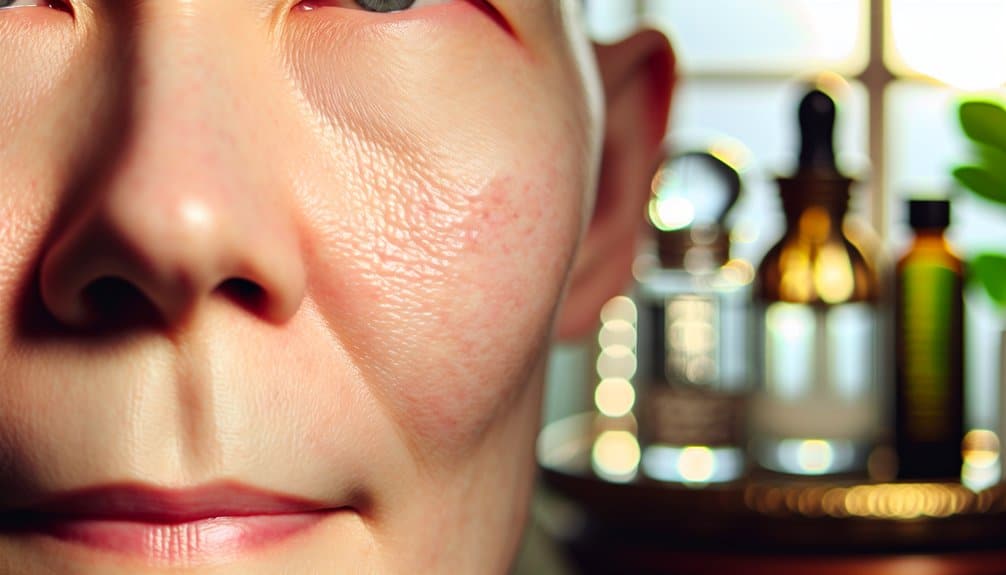
Up to 70% of premature skin aging is linked to external factors that directly impact your skin barrier. When this barrier is intact, it regulates water loss, maintains an ideal pH, and limits penetration of irritants that trigger inflammation and oxidative stress—both central drivers of collagen breakdown. If you’re focused only on “actives” and not on barrier integrity, you may be accelerating the very aging you’re trying to prevent, often without realizing it.
Key Takeaways
- A strong skin barrier locks in moisture, keeping skin plump and reducing the appearance of fine lines and early wrinkles.
- An intact barrier reduces chronic inflammation and oxidative stress, slowing collagen breakdown and visible aging over time.
- Healthy barrier lipids (ceramides, cholesterol, fatty acids) maintain smooth texture and elasticity, preventing roughness and dullness associated with aging.
- Protecting the barrier from UV, harsh cleansers, and over-exfoliation preserves structural proteins and delays photoaging.
- Supporting barrier health with proper skincare, diet, sleep, and stress management enhances long-term skin resilience and youthful appearance.
Understanding What the Skin Barrier Is
Think of your skin barrier as a dynamic, living shield: a multilayered structure—primarily the stratum corneum—composed of tightly packed corneocytes (“bricks”) embedded in a matrix of lipids (“mortar”) such as ceramides, cholesterol, and free fatty acids. This outermost layer of your skin structure regulates transepidermal water loss and controls the diffusion of exogenous substances.
You’re not looking at a passive wall; you’re managing an interface where barrier function depends on pH, lipid organization, and protein processing (filaggrin, involucrin, loricrin). Tight junctions in the upper epidermis add a secondary seal, coordinating with corneocytes and lipids. When this architecture’s intact, gradients of water, ions, and signaling molecules are maintained, allowing enzymes to function at their best and your epidermis to renew in a controlled, energy-efficient way.
How a Strong Barrier Slows Visible Aging
When your barrier’s intact, it doesn’t just “protect” your skin—it actively slows core mechanisms of visible aging by controlling inflammation, oxidative stress, and dermal matrix degradation. By sealing in water and limiting irritant penetration, ideal barrier function reduces subclinical inflammation that would otherwise accelerate collagen breakdown and uneven pigmentation. You’re also limiting the entry of pollutants and reactive molecules that generate free radicals. That means fewer oxidative insults to lipids, proteins, and DNA—key drivers of the aging process. A competent barrier maintains near-neutral pH and organized lipids, supporting enzymes that regulate desquamation and ceramide production, so texture and tone remain smoother and more uniform. Over time, this preserves elasticity, reduces fine lines, and delays premature photoaging. Supporting barrier health with appropriate occlusive moisturizers can further reduce transepidermal water loss, enhancing hydration and resilience that contribute to a more youthful appearance.
Common Habits and Ingredients That Damage the Barrier
Although the barrier is biologically robust, everyday habits and poorly chosen products can chronically impair its structure and function. Over‑cleansing with harsh sulfates, very hot water, or frequent cleansing strips lipids from the stratum corneum, disrupting its ordered lamellar structure. Aggressive exfoliation methods—especially daily scrubs, strong acids, or high‑percentage retinoids layered together—accelerate corneocyte loss faster than lipids and natural moisturizing factors can be replenished.
Fragrance mixes, certain preservative systems (like formaldehyde releasers), and high alcohol content can increase transepidermal water loss and micro‑inflammation. Misusing actives (high pH soaps with low pH acids, or multiple retinoids) destabilizes barrier enzymes that regulate desquamation. Unprotected exposure to environmental stressors—UV, pollution, low humidity, cold wind—oxidizes lipids, degrades ceramides, and weakens tight junction integrity.
Signs Your Skin Barrier May Be Compromised
So how can you tell if your barrier’s under strain rather than just “sensitive”? You’ll notice patterns that reflect impaired barrier function and disrupted lipid organization, not just occasional irritation.
- You experience persistent burning, stinging, or visible redness from products that once felt fine. This heightened skin sensitivity signals increased nerve exposure as barrier lipids thin.
- Your skin feels tight, rough, or flaky despite moisturizing. That “paper-dry” sensation reflects transepidermal moisture loss, where water escapes faster than your barrier can retain it.
- Breakouts, small bumps, or sudden reactivity appear alongside dullness. When the barrier’s compromised, inflammatory mediators rise and micro-cracks allow irritants and microbes to penetrate more deeply, driving chronic, low-grade inflammation that visibly accelerates aging over time.
Key Barrier-Supporting Ingredients to Look For
To actively repair and preserve your skin barrier, you’ll want to prioritize ingredients that restore its lipid “mortar” and optimize water balance. Ceramides, especially when combined with cholesterol and fatty acids in physiologic ratios, replenish the intercellular lipids that seal gaps between corneocytes and reduce transepidermal water loss. Complementing this, humectants such as glycerin and hyaluronic acid bind and retain water within the stratum corneum, improving hydration-dependent enzyme function and supporting smoother, more resilient skin. Maintaining barrier integrity with these ingredients also helps minimize the impact of oxidative stress on visible skin aging and overall skin health.
Ceramides and Lipid Balance
Ceramides sit at the center of a healthy skin barrier, acting as the primary lipids that “cement” skin cells together and prevent water loss. When ceramides decline with age, the lipid matrix becomes disorganized, increasing micro-fissures, irritation, and fine-line visibility. You need formulas that restore ceramide balance and support coordinated lipid function, not just superficial softness.
Choose products with clinically studied ceramide sources (ceramide NP, AP, EOP) combined with cholesterol and fatty acids in physiologic ratios. This tri-lipid system rebuilds the lamellar structure, normalizes barrier recovery time, and reduces subclinical inflammation.
- You feel less stinging and tightness.
- You see smoother texture and fewer fine lines.
- You regain resilience against environmental stressors.
Humectants for Deep Hydration
While lipids rebuild the “mortar” of your barrier, humectants handle another anti-aging task: pulling and holding water in the epidermis where enzymatic repair and ideal barrier function occur. They’re small, usually hydrophilic molecules—like glycerin, hyaluronic acid, urea, and panthenol—that bind water from both deeper layers and the environment.
Humectant benefits include increased stratum corneum plasticity, improved desquamation, and reduced appearance of fine lines driven by microscopic surface roughness. To optimize hydration methods, you’ll want humectants layered under an occlusive or emollient; otherwise, in very dry air, they can draw water out of the skin instead of into it. Look for formulas combining multiple humectant sizes to target different depths, supporting sustained hydration and more resilient barrier recovery.
Daily Routine Tweaks to Protect Your Barrier
Although product choice matters, subtle changes in how you cleanse, apply, and layer skincare often have a larger impact on barrier integrity than adding yet another “active.” Daily protection hinges on minimizing surfactant-induced lipid loss during cleansing, avoiding over-exfoliation that accelerates corneocyte shedding, and timing actives so they don’t cumulatively disrupt stratum corneum cohesion. To protect barrier lipids, use a low-foaming, pH-balanced cleanser, then pat—never rub—skin dry to limit mechanical disruption. Next, optimize moisturizer selection: choose formulas with ceramides, cholesterol, and fatty acids in skin-mimetic ratios to restore lamellar structures. Incorporating well-studied natural ingredients such as colloidal oatmeal or aloe vera can further support barrier function and calm irritation when used within evidence-based, balanced routines.
- When you rush and over-scrub, you’re literally thinning your shield.
- When you skip emollients, micro-cracks multiply.
- When you neglect sunscreen application, UV silently erodes barrier architecture.
Lifestyle Factors That Influence Barrier Health
Protecting your barrier isn’t just about what you put on your face; it’s also shaped by how you live. Your dietary choices directly influence synthesis of ceramides, cholesterol, and fatty acids that form the stratum corneum. Diets rich in omega-3s, high-quality proteins, and antioxidants support lipid organization and reduce oxidative damage that accelerates barrier aging. In addition to topical care, optimizing nutrition with anti-aging properties can enhance cellular renewal and strengthen the skin’s structural resilience over time. Stress management is equally critical. Chronic psychological stress increases cortisol, which downregulates epidermal lipid production, delays barrier recovery, and heightens transepidermal water loss. Poor sleep amplifies this effect by disrupting nocturnal repair of DNA and barrier lipids. Smoking and excessive alcohol further impair microcirculation and generate free radicals, destabilizing barrier structure. Consistent exercise improves vascular supply, nutrient delivery, and repair signaling to the epidermis.
When to Seek Professional Help for Barrier Repair
So how do you know when a compromised skin barrier has moved beyond what you can fix at home and needs professional evaluation? You should see a dermatologist when burning, stinging, or redness persist despite gentle care, or when flares relapse quickly after temporary improvement. Chronic barrier failure increases transepidermal water loss, inflammation, and collagen breakdown—directly accelerating visible aging.
Consider seeking help if you recognize:
- Painful sensitivity that makes even water or bland moisturizer feel intolerable.
- Cracked, weeping, or bleeding skin that suggests impaired immune defense and infection risk.
- Rapidly worsening discoloration or textural change.
A specialist can prescribe targeted barrier therapies, diagnose eczema or rosacea, and design evidence-based professional treatments (like controlled peels or lasers) that rebuild—not further disrupt—your barrier.


Add Comment