
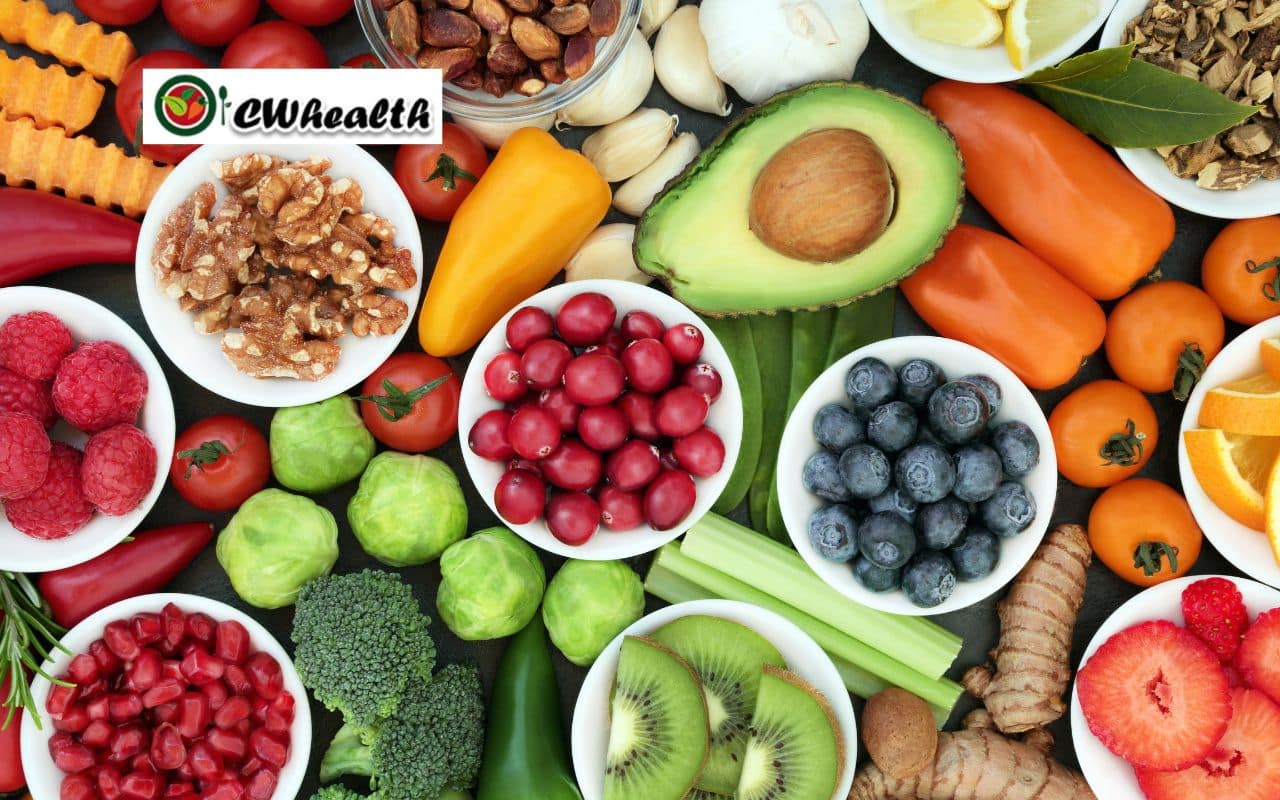
Adopting a plant-based diet can lead to numerous health benefits that go beyond weight management. Increasingly embraced for its holistic approach to nutrition, a diet centered around fruits, vegetables, grains, and legumes can enhance energy levels, support heart health, and promote longevity. Furthermore, plant-based eating supports sustainable living and animal welfare, making it an appealing lifestyle choice for many. Whether you’re eager to reduce your environmental footprint or seeking natural ways to improve well-being, understanding the nutritional advantages of plant-based diets can inspire transformative changes. Discover how these vibrant, nutrient-rich foods can enhance your vitality and overall health.
Key Highlights
- Plant-based diets enhance energy, support heart health, and promote longevity, aligning with holistic wellness principles.
- Vegan diets eliminate all animal products, offering ethical benefits, while vegetarians may include dairy and eggs.
- Plant-based nutrition sources include legumes, nuts, seeds, whole grains, offering protein, iron, and omega-3 fatty acids.
- A plant-based diet’s antioxidants combat aging, supporting youthful skin, longevity, and overall wellness.
- Small, incremental changes help transition to plant-based eating, improving health and reducing disease risk.
Understanding the Foundations of a Plant-Based Diet
Embracing a plant-based diet can be a transformative journey toward a healthier lifestyle. At its core, a plant-based approach prioritizes the consumption of whole-food fruits, vegetables, grains, nuts, and seeds, while minimizing, or completely eliminating, animal products. By focusing on nutrient-rich plant foods, this dietary style supports long-term wellness and aligns with holistic health principles. Besides the ethical and environmental benefits, plant-based diets often lead to improved nutrition, enhanced energy levels, and a reduced risk of chronic diseases. Exploring the intricacies of plant-based eating reveals its profound impact on well-being, making it a compelling choice for many.

What Defines Plant-Based Eating? An Overview
A plant-based diet revolves around centering one’s dietary habits on plants. This doesn’t just mean excluding animal products; it’s about incorporating a wide variety of plant foods to ensure a broad spectrum of nutrients. Plant-based diets highlight whole-food choices, focusing on unprocessed and minimally processed options to maximize nutrient intake. Fruits, vegetables, legumes, grains, nuts, and seeds are staples, providing vital nutrition like fiber, vitamins, minerals, and phytonutrients. The aim is not only to eat more plants but to build meals that are diverse in color and texture, enhancing both the palate and the body’s health. It’s crucial to understand that plant-based doesn’t automatically mean vegetarian or vegan. Some individuals might opt to include small amounts of animal products occasionally, making the diet flexible and adaptable to personal preferences. The emphasis remains on choosing plant sources predominantly, which can lead to significant physiological benefits such as better cardiovascular health, weight management, and sustained energy levels. Embracing plant-based eating sets the stage for longevity and a youthful appearance, aligning with the core values of holistic wellness. Choosing this dietary path encourages a deep connection with the food one consumes, prompting mindful eating habits that foster both environmental consciousness and personal health. As individuals explore plant-based options, the focus on nutrient variety ensures that they meet all dietary needs, paving the way for a balanced and vibrant lifestyle.
The Nutritional Benefits of Plant-Based Foods
Diving into the rich spectrum of a plant-based diet reveals its robust nutritional profile. Emphasizing whole-food plant-based choices ensures a diverse intake of essential nutrients, aiding in overall health improvement. These diets are rich in vitamins, minerals, fiber, and phytochemicals, providing the necessary components for bodily functions, energy levels, and disease prevention. The abundant presence of these nutrients contributes significantly to physical well-being and promotes vitality. Embracing this approach to eating not only enhances nutritional health but also complements an anti-aging lifestyle by providing sustenance that supports longevity and a youthful appearance.
Plant-Based Nutrition: Essential Nutrients and Their Sources
Plant-based nutrition encompasses a wide array of essential nutrients that form the foundation of a healthy diet. Understanding where to find these nutrients in plant-based foods is crucial for maintaining a balanced dietary intake. Protein, often a concern for those transitioning, is abundant in plant foods such as legumes, nuts, seeds, and whole grains. Lentils and chickpeas, for example, are rich in protein and fiber, contributing to sustainable energy and digestive health. Whole-food plant-based diets also offer significant sources of iron and calcium. Dark leafy greens, like spinach and kale, provide iron, while fortified plant milks and tofu are excellent calcium sources that support bone health.
Fruits and vegetables are the heart of a healthy plant-based diet, offering an extensive range of vitamins and minerals. Vitamin C, vital for immune support and skin health, is prevalent in citrus fruits, bell peppers, and broccoli. Furthermore, plant-based diets offer antioxidant-rich foods with phytonutrients that combat oxidative stress, a key factor in anti-aging and disease prevention. Omega-3 fatty acids, crucial for brain health, can be sourced from flaxseeds, chia seeds, and walnuts. The benefits extend beyond basic nutrition; these foods enhance overall health, prevent nutrient deficiencies, and foster a sense of vitality essential for long-term wellness. By focusing on plant-based nutrition, individuals can ensure they receive all necessary nutrients in a form that aligns with sustainable and healthy living practices.To further optimize your plant-based nutrition, consider these essential tips and nutrient-rich sources for a well-rounded diet:
- Incorporate a variety of whole grains like quinoa and brown rice for sustained energy and fiber.
- Add legumes such as lentils and chickpeas for protein and iron.
- Boost calcium intake with fortified plant milks or leafy greens like kale and broccoli.
- Include nuts and seeds, such as almonds and chia seeds, for healthy fats and zinc.
- Ensure vitamin B12 intake through fortified foods or supplements to support nerve function.
- Eat colorful fruits and vegetables to provide a wide array of vitamins and antioxidants.
- Consume omega-3 rich foods like flaxseeds and walnuts for brain health.
Embracing these nutrient-dense options not only enriches your diet but also supports sustainable living, showcasing the versatile benefits of plant-based nutrition.
How Plant-Based Diets Support Heart Health
Embracing plant-based diets offers substantial benefits for heart health by focusing on natural, nutrient-rich foods that support cardiovascular function. Rich in fiber, antioxidants, and healthy fats, these diets are effective in reducing the risk of cardiovascular diseases such as hypertension and high cholesterol. By prioritizing whole, plant-based foods, individuals can manage blood pressure and cholesterol levels more effectively, contributing to overall heart health. The natural components of a varied plant-based diet not only promote a healthy heart but also align with preventive strategies against chronic diseases, supporting long-term vitality and wellness.
Managing Blood Pressure and Cholesterol Through Plant Choices
Managing blood pressure and cholesterol can significantly impact cardiovascular disease prevention, and plant-based diets offer a proactive approach. Incorporating a variety of plant foods, such as fruits, vegetables, whole grains, and legumes, aids in naturally lowering cholesterol levels and maintaining healthy blood pressure. These plant-based food choices are rich in fiber, which helps reduce cholesterol by binding with it in the digestive system and promoting its excretion. Moreover, the potassium found abundantly in bananas, sweet potatoes, and spinach is crucial for maintaining healthy blood pressure by balancing sodium levels in the body.
The nutritional benefits of a plant-based diet extend beyond fiber and potassium. The presence of antioxidants in foods like berries, nuts, and seeds assists in reducing oxidative stress, further protecting the heart against chronic diseases. These foods are also low in saturated fats, which are commonly associated with higher cholesterol levels when consumed in excess. By focusing on plant-based nutrition, individuals can achieve a reduced body weight, another critical factor in heart health. The emphasis on whole, unprocessed plant foods enables natural weight management, further reducing strain on the heart and supporting a healthy cardiovascular system.
Choosing a plant-based diet encourages mindful eating habits and fosters a sustainable lifestyle that benefits heart health. By substituting animal products with plant-based alternatives, individuals can reduce unhealthy cholesterol levels and manage blood pressure, promoting long-term cardiovascular wellness. The holistic approach of a plant-based diet not only supports heart health but also enhances overall well-being, aligning with the core values of CW Health’s dedication to optimal health and vitality.
Exploring the Range of Plant-Based Diets
Delving into the range of plant-based diets reveals an array of dietary choices that cater to diverse nutritional needs and ethical considerations. From vegan to vegetarian diets, each offers unique benefits aligned with holistic well-being and anti-aging strategies. The essence of plant-based eating is to embrace a variety of nutrient-rich foods from plant sources, whether fully excluding animal products or incorporating them in moderation. Understanding the differences and benefits of diets like vegan and vegetarian ones can empower individuals to make informed dietary decisions that enhance overall health and vitality.
Comparing Vegan Diets and Vegetarian Diets
When exploring plant-based diets, discerning the differences between vegan and vegetarian diets is crucial. Both dietary choices prioritize plant foods, essentially focusing on nutrient-rich fruits, vegetables, grains, nuts, and seeds. However, their approach to animal products varies, influencing their impact on health and wellness. A vegan diet eliminates all animal products, including meat, dairy, and eggs, strictly focusing on plants. This dietary choice aligns well with ethical motivations and environmental considerations, providing a comprehensive approach to plant-based living. Vegan diets stand out for their potential in reducing cholesterol and supporting heart health, a critical factor in anti-aging and longevity strategies.
On the other hand, vegetarian diets, while similar, allow for some animal-derived products, typically excluding meat but often including dairy and eggs. This flexibility might make transitioning easier for those new to plant-based diets. Vegetarians still reap significant nutritional benefits. For example, dairy and eggs can become valuable sources of essential vitamins like B12 and D, which might be challenging to obtain in a strict vegan diet. The inclusion of these foods can help address potential deficiencies, making it easier to maintain a balanced diet across all life stages.
Choosing between vegan and vegetarian diets depends on individual health goals, dietary preferences, and ethical considerations. Both diets advocate for the consumption of diverse plant foods, promoting heart health, weight management, and overall well-being. For those focused on anti-aging, these diets can support youthful skin and vitality by reducing exposure to harmful saturated fats and providing abundant antioxidants. By understanding these diets’ subtle nuances, individuals can tailor their plant-based approach to best support their lifestyle and health ambitions. Aligning dietary choices with personal values and nutritional needs sets the foundation for lasting wellness.
| Diet Type | Animal Product Inclusion | Health Benefits | Potential Nutritional Challenges | Ethical/Environmental Considerations |
|---|---|---|---|---|
| Vegan | No animal products | May reduce risk of heart disease | Potential B12 and iron deficiencies | Reduced carbon footprint, ethical animal treatment |
| Vegetarian | Includes dairy and eggs | Supports weight management | Possible protein and omega-3 shortfall | Less intensive resource use, supports animal welfare |
This table provides a clear comparison of vegan and vegetarian diets, illustrating how each can be tailored to meet diverse health and ethical needs.
The Role of a Plant-Based Diet in Anti-Aging
Adopting a plant-based diet can significantly support an anti-aging lifestyle, offering more than just a nutritional makeover. By focusing on whole, plant-based foods, individuals are equipped to combat age-related changes effectively. A diet rich in fruits, vegetables, grains, and nuts harnesses the power of antioxidants and essential nutrients that protect against cellular damage. Beyond physical vitality, a plant-based diet promotes longevity and a youthful appearance. This dietary choice empowers you to embrace aging with grace while maintaining health and vibrancy, ultimately aligning with a proactive approach to overall wellness.
Longevity and Youthful Skin: The Anti-Aging Benefits
Integrating a plant-based diet into your lifestyle can unlock numerous anti-aging benefits, particularly in promoting longevity and maintaining youthful skin. The abundance of antioxidants found in plant-based foods plays a pivotal role in fighting oxidative stress, a major contributor to premature aging. By reducing cellular damage, these antioxidants help sustain a radiant, youthful complexion. Foods rich in vitamins A, C, and E, like carrots, citrus fruits, and almonds, enhance collagen production and skin elasticity, vital components in preserving skin’s youthful glow.
Moreover, plant-based diets are naturally rich in phytochemicals and polyphenols, which have been shown to have powerful anti-inflammatory properties. This contributes to healthier skin and a reduced risk of age-related diseases. Omega-3 fatty acids, sourced from chia seeds and walnuts, support skin hydration and may prevent wrinkles, keeping the skin supple and smooth. Additionally, a diet free from processed foods and low in saturated fats aids in maintaining a healthy weight, further diminishing the impact of aging on the body.
Emphasizing whole foods ensures that your body receives vital nutrients, without added preservatives and artificial additives that can accelerate aging. The fiber content in plant-based diets supports detoxification processes, helping to clear toxins that might otherwise manifest in dull, unhealthy skin. By choosing a plant-based approach, you’re not only nourishing your body with essential nutrients to promote longevity but also fostering a lifestyle that supports holistic wellness and a vibrant, youthful appearance. Such comprehensive benefits make a plant-based diet an integral part of an anti-aging strategy, embodying CW Health’s focus on longevity and vitality.

Practical Tips for Transitioning to Plant-Based Eating
Switching to a plant-based diet can be both rewarding and challenging, but practical tips can ease this transition. Crafting balanced plant-based meals is key to maintaining nutrition and satisfaction, ensuring a sustainable approach to eating. Learning how to plan and prepare diverse plant foods will support a seamless shift and provide varied nutrients. By focusing on nutrition-packed meals and embracing the diversity of plant-based foods, you’ll foster dietary routines that enhance your health and vitality. Let’s dive into how to create satisfying and healthy plant-based meals that align with your wellness goals.
Creating Balanced and Healthy Plant-Based Meals
Crafting balanced plant-based meals involves a keen understanding of nutrition to ensure you’re getting all necessary nutrients. A well-rounded plant-based diet should include a variety of nutrient-dense foods to promote health and vitality. Start by incorporating a range of vegetables, fruits, whole grains, legumes, nuts, and seeds into your meals. These foods are not only rich in essential vitamins and minerals but also offer dietary fibers that support digestion and a robust immune system. Ensuring that your meals are colorful and diverse will help you take full advantage of the wide spectrum of nutrients available in plant-based foods.
Protein is often a concern for those new to plant-based eating, but fear not—there’s an abundance in plant foods. Legumes such as lentils, chickpeas, and beans are excellent protein sources, making them staples in many plant-based diets. Pair these with whole grains like quinoa or brown rice to create complete and satisfying meals. For healthy fats, include nuts, seeds, and avocados to ensure your diet is balanced. A sprinkle of flaxseeds or chia seeds not only enhances texture but also adds Omega-3 fatty acids crucial for brain health.
While transitioning, practical tips include preparing meals in advance and experimenting with different plant-based recipes to see what flavors and ingredients you enjoy most. This exploration can make the process enjoyable and sustainable. Consider keeping staple ingredients stocked, such as canned beans, frozen vegetables, and whole grains, to whip up nutritious meals quickly. Embrace plant-based alternatives, like plant milks or soy products, to ease the transition away from animal products. By adopting these habits, you’ll likely experience improved energy levels and overall well-being, supporting an anti-aging lifestyle that aligns with CW Health’s emphasis on optimal health and vitality.
Addressing Common Myths About Plant-Based Diets
Adopting a plant-based diet is often surrounded by various myths and misconceptions that can deter beginners. Challenging these misconceptions is crucial for anyone considering a plant-based lifestyle. These myths often stem from misunderstandings about nutritional adequacy and dietary balance. By debunking them, individuals can approach plant-based diets with confidence and knowledge. Understanding the true nutritional value of a plant-based diet ensures it supports long-term health, vitality, and anti-aging goals. Let’s delve deeper into how these myths don’t hold up under scrutiny and what a balanced plant-based diet truly offers.
Debunking Misconceptions and Finding Balance
It’s common to encounter misconceptions when transitioning to a plant-based diet, with myths ranging from nutritional deficiencies to concerns over a lack of variety. One prevalent myth is that plant-based diets can’t provide adequate protein. However, legumes, nuts, seeds, and whole grains collectively offer abundant protein sources. For instance, combining foods such as beans and rice can create a complete protein profile, dismissing the misconception that vegetarians or those on a plant-based diet lack essential nutrients.
An often-cited misconception is that plant-based diets lack balance and are overly restrictive. In reality, they offer an expansive variety of foods that align with nutritional science. Diverse plant-based food options ensure that all dietary needs are met, from fiber and vitamins to minerals and antioxidants. Additionally, plant diversity helps maintain a balanced diet, which is crucial for overall health and the prevention of nutrient deficiencies. The misconception that plant-based diets are inherently imbalanced overlooks the vast options available within this dietary approach.
To achieve a sense of balance in a plant-based diet, it’s important to incorporate a variety of colorful fruits and vegetables alongside whole grains and protein-rich legumes. Misconceptions about plant-based eating fail to recognize the innovative ways these diets can mimic the nutritional profiles offered by more traditional diets. Plant-based diets can be as adaptable or strict as one prefers, with options to include occasional animal products if desired. Finding your personal balance ensures the diet supports not only your health goals but also aligns with ethical and environmental values. This knowledge empowers those on a plant-based journey to embrace dietary changes confidently and healthily, embodying CW Health’s mission of vitality and well-being.
Incorporating Plant-Based Foods into Daily Life
Transitioning to a plant-based lifestyle can seamlessly integrate into your daily routine by making mindful, strategic changes. Embracing plant-based foods daily involves focusing on nutrient-rich choices that not only fulfill dietary needs but also foster long-term wellness. By gradually introducing more plant-based foods into your diet, you can effectively reduce dependence on animal products. This integration supports both nutritional goals and ethical living. Sustaining plant-based habits is easier than it seems, and through simple yet impactful changes, one can enjoy the abundant health benefits of a plant-based diet, supporting overall vitality and well-being.
Sustaining a Plant-Based Lifestyle Through Simple Changes
Adopting and sustaining a plant-based lifestyle doesn’t require an all-or-nothing approach. Small, incremental changes can yield significant benefits, making the transition smoother and more enjoyable. Begin by incorporating more fruits, vegetables, and whole grains into your meals. These foods are not only rich in essential vitamins and minerals but also support digestion and overall health. For breakfast, consider switching from traditional cereals to oatmeal topped with fresh fruits and nuts, providing a nutrient-dense start to your day. Such small adjustments can help you organically increase your intake of plant-based foods without feeling deprived.
It’s also beneficial to explore plant-based versions of your favorite dishes. A meatless lasagna with layers of spinach and vegan cheese, or replacing your regular burger with a hearty black bean alternative, demonstrates how plant-based foods can be delicious and satisfying. These swaps help reduce reliance on animal products while maintaining the flavors and textures you love. Another practical tip is to dedicate one day a week to a fully plant-based menu, potentially expanding as you become more comfortable and creative with plant-based cooking. This gradual approach allows for experimentation and adaptation, essential for sustaining this lifestyle long term.
Meal prepping is another effective strategy to maintain a plant-based diet. Preparing large batches of quinoa or chickpea salad can provide quick, nutritious meals throughout the week, saving time and ensuring you have plant-based meals readily available. Keeping a well-stocked pantry with legumes, grains, and spices helps in swiftly preparing meals, reducing the temptation to revert to animal products. In addition, engaging with the plant-based community through social platforms or cooking classes can offer support and inspiration, making the lifestyle more accessible and enjoyable. By implementing these straightforward strategies, you’ll not only improve your nutrition but also enhance your overall wellness and longevity, aligning with the holistic health philosophy promoted by CW Health.
Enhancing Overall Wellness with Plant-Based Choices
Diving into the world of plant-based choices opens doors to numerous health benefits that extend beyond just eating habits. These choices can significantly impact overall wellness by fostering a lifestyle that emphasizes mindful living and holistic health. Embracing plant-based diets supports not just physical health but also mental and emotional well-being, enhancing your quality of life in multiple dimensions. This section unravels how plant-based decisions contribute to holistic health, offering insights into nutritional benefits and overall vitality that make plant-based living a rewarding lifestyle choice.
Holistic Health: Beyond Nutrition
While a plant-based diet is often praised for its nutritional benefits, its impact on holistic health deserves equal attention. The shift to plant-based choices goes beyond merely changing what you eat—it’s a lifestyle transformation that fosters mental, emotional, and physical wellness. A diet rich in plant food choices supports overall well-being by nurturing both body and mind. These diets are abundant in antioxidants and anti-inflammatory compounds that not only improve physical health but also uplift your mood and mental clarity. The benefits of embracing plant-based diets extend into reducing stress levels and increasing overall life satisfaction by promoting a balance that aligns with holistic living principles.
Incorporating a variety of plant-based foods into your diet can enhance mindfulness in eating practices. When you’re mindful of your food choices, you naturally become more in tune with your body’s needs and responses to different foods. This not only aids in digestion but also supports mental health by fostering a positive relationship with food. The array of fruits, vegetables, grains, and nuts that constitute plant-based diets promote nutrient diversity, which plays a crucial role in preventing nutritional deficiencies and maintaining energy levels, thereby enhancing overall wellness.
Holistic health through plant-based eating is also about ethical and environmental awareness, which can contribute to emotional and psychological wellness. By making plant-based choices, you’re not only prioritizing your health but also contributing to a healthier planet. This conscious living approach can lead to a more fulfilled and purposeful life, embracing the interconnectedness of all aspects of health. The emphasis on plant-based diets aligns well with CW Health’s dedication to guiding individuals toward optimal health and vitality, embodying the essence of their wellness philosophy. Embrace this lifestyle not just as a dietary alteration but as a pathway to a more harmonious and enriched life.
Adopting a plant-based diet can revolutionize your health by enhancing nutrient intake, promoting longevity, and reducing disease risk. Its environmental benefits also make it a sustainable choice for the planet. By gradually incorporating more plant-based meals into your routine, you align with a lifestyle that nurtures both personal well-being and global health. As you embark on this journey, remember that small, consistent changes can yield significant, lasting impacts. Visit CW Health for more insights and practical tips on transitioning to a plant-based diet, and join our community committed to holistic wellness.
Rich content results: FAQs
What are the key benefits of adopting a plant-based diet?
Adopting a plant-based diet can enhance energy levels, support heart health, promote longevity, and improve overall well-being. It also aligns with sustainable living and animal welfare values.
How does a vegan diet differ from a vegetarian diet?
A vegan diet eliminates all animal products, including dairy and eggs, offering ethical and environmental benefits. In contrast, a vegetarian diet may include dairy and eggs while excluding meat.
Can plant-based diets provide all necessary nutrients?
Yes, plant-based diets can provide all necessary nutrients when well-planned. Key nutrient sources include legumes, nuts, seeds, and whole grains, which offer protein, iron, omega-3 fatty acids, and more.
How can a plant-based diet support an anti-aging lifestyle?
A plant-based diet is rich in antioxidants that combat aging, promote youthful skin, and support longevity. Foods like berries, nuts, and seeds reduce oxidative stress, a major factor in premature aging.
What are practical tips for transitioning to a plant-based diet?
Start with small, incremental changes, such as incorporating more fruits, vegetables, and whole grains. Explore plant-based versions of favorite dishes, and practice meal prepping to maintain a balanced diet.


Add Comment