
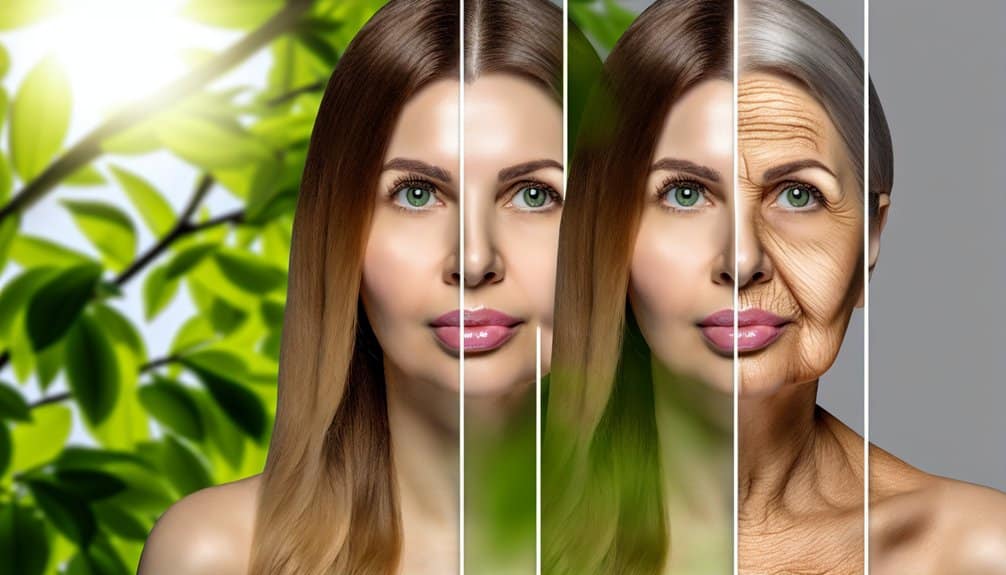
By your mid-30s, your skin’s natural cell turnover can slow from about 28 days to well over 40, which is why products that once worked quickly may seem less effective. You might notice more dryness, uneven tone, and fine lines that don’t fade as fast as they used to. This isn’t just “getting older”—it’s biology you can influence with the right habits, ingredients, and treatments, once you understand what’s actually changing.
Key Takeaways
- Skin renewal naturally slows with age, causing dullness, dryness, and rough texture as cell turnover and collagen production decline.
- In your 20s–30s, prioritize daily SPF, gentle exfoliation, and consistent hydration to preserve collagen and maintain smooth, even-toned skin.
- In your 40s–50s+, focus on richer moisturizers, barrier-supporting ingredients, and actives like retinaldehyde, peptides, and niacinamide to counter thinning, fragile skin.
- Support renewal at every age with antioxidants, adequate sleep, a nutrient-dense diet, and limiting UV exposure, pollution, and inflammation.
- Consider professional treatments—peels, microdermabrasion, microneedling, or non-ablative lasers—for deeper collagen remodeling and improved texture and pigmentation.
The Science of Skin Renewal: From Cell Turnover to Collagen
Although skin can seem static when you look in the mirror each day, it’s actually a dynamic organ undergoing constant renewal through tightly regulated cellular and molecular processes. In the epidermis, basal keratinocytes divide, then migrate upward, forming the barrier that protects you from dehydration, infection, and injury. This cell regeneration cycle typically takes several weeks and depends on adequate nutrients, oxygen, and skin hydration. Because overall health influences skin function, maintaining a balanced diet and managing oxidative stress can help support these renewal and repair processes over time.
Deeper in the dermis, fibroblasts synthesize collagen and elastin, which give your skin tensile strength and resilience. Collagen fibers form a scaffold that supports blood vessels, hair follicles, and glands. Enzymes constantly remodel this matrix, breaking down old collagen so new fibers can form. When this balance is disrupted, you notice dullness, fine lines, and textural changes.
How Skin Behavior Shifts in Your 20s
As you move through your 20s, your skin’s renewal systems are still highly efficient, but subtle shifts begin that lay the groundwork for how you’ll age later. Cell turnover remains rapid, yet the earliest decline in collagen and antioxidant capacity is already measurable in clinical studies. You may notice delayed healing after breakouts or mild textural irregularities. Hormonal fluctuations can drive oil production, so you might simultaneously manage acne and the first signs of dryness. Here, daily sun protection becomes non‑negotiable: UV exposure is the primary preventable driver of later wrinkles, pigmentation, and loss of elasticity. Hydration importance also increases—consistent use of humectants and barrier-supporting moisturizers helps maintain epidermal function, optimize renewal, and buffer your skin against cumulative environmental damage. During this time, choosing barrier-supporting creams rich in ceramides, like Cerave Moisturizing Cream, can help maintain hydration and reinforce the skin’s protective function as these early changes begin.
Skin Renewal Challenges in Your 30s
While your skin may still look similar to how it did in your late 20s, the biology driving its renewal is changing more noticeably in your 30s. Cell turnover slows, early collagen decline begins, and cumulative UV exposure starts to show as dullness, occasional pigmentation, and longer healing times after breakouts. You’ll likely notice makeup sitting differently, fine expression lines lingering, and more sensitivity to irritants. This decade is when consistent sun protection becomes non‑negotiable to prevent DNA damage that disrupts renewal pathways. Daily broad‑spectrum SPF 30+, plus reapplication with outdoor exposure, is critical. Equally important are targeted hydration strategies: using a gentle cleanser, humectants like glycerin or hyaluronic acid, and a ceramide‑rich moisturizer to maintain barrier function and support efficient epidermal turnover. Incorporating evidence‑backed botanicals such as green tea or niacinamide can further support skin renewal while helping address early concerns like dullness, pigmentation, and sensitivity.
What Changes in Your 40s: Texture, Tone, and Elasticity
As you move into your 40s, you’ll notice that skin renewal slows as cell turnover becomes less efficient, leading to more visible roughness and dullness. At the same time, collagen production and structural support decline, so fine lines may progress into more defined wrinkles and early laxity. Understanding these shifts in texture, tone, and elasticity helps you choose targeted treatments that maintain firmness and a more even, resilient complexion.
Slower Cell Turnover
Even if your routine hasn’t changed, cell turnover in your 40s slows markedly, meaning older keratinocytes and corneocytes linger longer at the surface and fresh cells reach the epidermis less often. This reduced cell regeneration is a direct age impact on how efficiently your skin renews itself, so you may notice dullness, rough patches, and uneven tone despite using products that used to work well.
You’re fundamentally shedding cells less frequently and less uniformly. That’s why:
- Texture feels less smooth, with more noticeable dry or flaky areas.
- Pigment irregularities, including sun spots, become more visible and persistent.
- Pores can appear larger as retained cells collect around follicular openings.
- Fine surface lines look sharper because light doesn’t reflect evenly off the skin.
Declining Collagen Support
Slower surface renewal is only part of the story in your 40s; deeper in the skin, collagen production drops and existing fibers become fragmented and less organized. This collagen depletion weakens your dermal “scaffold,” so skin looks less firm and lines persist instead of bouncing back. You may notice etched wrinkles around the eyes and mouth, more visible pores, and mild sagging along the jawline.
As collagen declines, the extracellular matrix holds less water, so skin hydration and light reflection decrease, contributing to dullness and crepey texture. Evidence-based support targets both stimulation and protection: daily broad‑spectrum sunscreen, prescription‑strength or clinically proven retinoids, peptides with human data, and adequate dietary protein. Avoid smoking and uncontrolled UV, which accelerate collagen breakdown.
Navigating Skin Renewal in Your 50s and Beyond
As you move into your 50s and beyond, skin renewal slows further, and the outer barrier layer becomes thinner and more vulnerable to irritation and transepidermal water loss. You’ll likely notice increased dryness, fragility, and more visible signs of cumulative sun damage as cell turnover and repair processes become less efficient. At this stage, your skincare plan should prioritize targeted repair (supporting collagen, barrier lipids, and DNA repair) and rigorous protection (broad-spectrum sunscreen and antioxidant defense) tailored to your skin’s specific needs and medical history. At the same time, optimizing your nutrition to support anti-aging benefits can further enhance cell renewal, immunity, and long-term skin health from within.
Slower Renewal, Thinner Barrier
While the fundamentals of skin biology remain the same throughout life, your 50s and beyond are marked by a distinctly slower renewal cycle and a measurably thinner, more fragile barrier. Cellular aging reduces keratinocyte turnover, so cells migrate more slowly from the basal layer to the surface. This extended journey means dullness, rough texture, and delayed recovery from irritation or procedures.
At the same time, barrier function becomes less efficient:
- Fewer lipids (ceramides, cholesterol, fatty acids) impair moisture retention.
- Thinner epidermis and dermis increase transepidermal water loss.
- Reduced pH control and antimicrobial peptides raise infection and sensitivity risk.
- Diminished microcirculation slows nutrient delivery and waste removal.
You may notice tighter, drier, more reactive skin, even if you never had sensitivity before.
Targeted Repair and Protection
Even though renewal slows and the barrier thins in your 50s and beyond, you’re not limited to passive “anti-aging” promises—you can target specific biological changes with repair- and protection-focused strategies. You’re now aiming to correct accumulated structural damage while defending against ongoing triggers like UV, pollution, and inflammation.
Use targeted serums with proven actives: retinaldehyde or low-strength tretinoin for dermal remodeling; peptides and growth factors for collagen support; and niacinamide to improve barrier function and uneven tone. Layer these with protective antioxidants—vitamin C, vitamin E, ferulic acid, and polyphenols—to neutralize free radicals and stabilize collagen.
Morning: gentle cleanse, antioxidant serum, moisturizer, high-SPF sunscreen. Evening: mild cleanser, repair serum, then a ceramide-rich, fragrance-free moisturizer.
Daily Habits That Support Healthy Skin Renewal at Any Age
Although intrinsic aging and genetics influence how your skin renews itself, daily habits have a measurable impact on cell turnover, barrier function, and collagen preservation at every age. You can’t control your DNA, but you can shape your skin’s environment with consistent choices that support renewal rather than accelerate damage.
- Optimize hydration habits by drinking water regularly and limiting dehydrating factors like excess alcohol; this supports microcirculation and barrier integrity.
- Practice rigorous sun protection with broad‑spectrum SPF, shade, and clothing to reduce DNA damage that slows renewal.
- Prioritize 7–9 hours of sleep; nocturnal repair pathways depend on stable circadian rhythms.
- Emphasize a nutrient-dense diet rich in protein, omega‑3s, and colorful plants to provide substrates and antioxidants for ongoing epidermal and dermal repair.
- Support barrier function directly with regular use of occlusive moisturizers, which can significantly reduce water loss from the skin and help maintain the hydration needed for healthy renewal.
Key Skincare Ingredients to Boost Renewal in Each Decade
Daily habits set the foundation for healthy skin renewal, but targeted ingredients can further optimize how your skin behaves in each decade of life. In your 20s, focus on daily sunscreen plus gentle antioxidants (vitamin C, niacinamide) to limit early DNA and collagen damage.
In your 30s, introduce low‑strength retinoids; retinol benefits include faster cell turnover, smoother texture, and more even tone. Buffer with a non‑comedogenic moisturizer.
By your 40s, collagen decline accelerates. You’ll benefit from prescription‑strength retinoids if tolerated, peptides, and consistent use of hyaluronic acid to improve hydration and plumpness without irritation. To further support skin health and overall vitality, consider exploring anti-aging skin care and supplements formulated for quality and effectiveness.
In your 50s and beyond, support a drier, more fragile barrier with ceramides, cholesterol, hyaluronic acid, and gentler retinoids, adjusting frequency to minimize inflammation.
Professional Treatments That Complement Your Skin’s Natural Cycle
While your at‑home routine drives most of your skin’s renewal, professionally performed treatments can precisely amplify these natural repair cycles when they’re timed and selected correctly. Your dermatologist or licensed provider should tailor procedures to your age, skin type, and barrier status to avoid over‑exfoliation and inflammation.
- Microdermabrasion benefits: controlled mechanical exfoliation that smooths texture, brightens dullness, and enhances penetration of actives, with minimal downtime when spaced every 4–6 weeks.
- Superficial chemical peels: glycolic, lactic, or salicylic acids accelerate desquamation, treat early photodamage, and help acne.
- Medium‑depth chemical peels: TCA‑based options remodel collagen for more advanced lines and pigment.
- Non‑ablative lasers and microneedling: stimulate dermal repair, improving firmness while preserving epidermal integrity.

Add Comment