
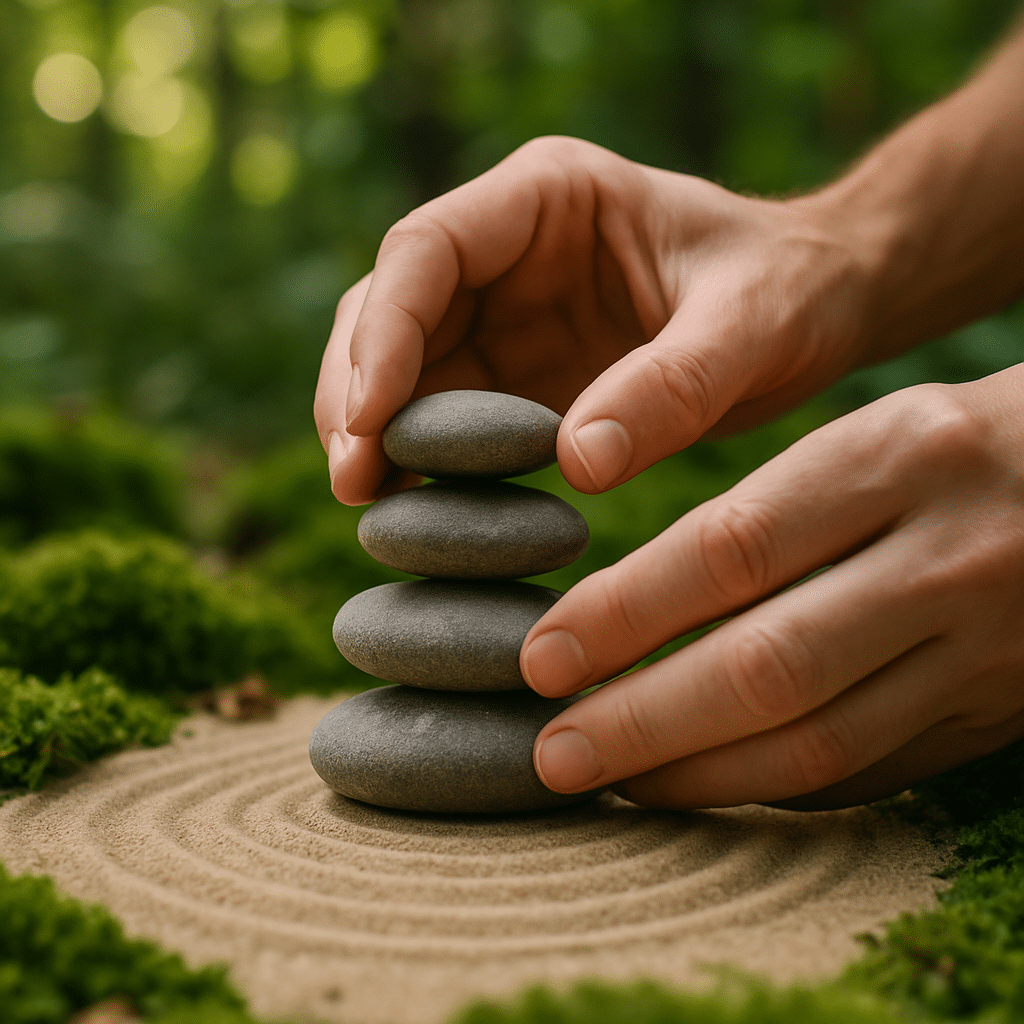
Embracing mindfulness in your daily routine can be a transformative step toward enhanced health and well-being. This ancient practice encourages living in the moment, helping to reduce stress, increase focus, and promote emotional resilience. By integrating mindfulness techniques such as meditation and mindful breathing, individuals can cultivate a deeper sense of peace and balance. Discover the potential of mindfulness to improve your overall quality of life, empowering you to lead a healthier and more fulfilled existence. Join us as we explore practical ways to incorporate mindfulness into your lifestyle for lasting benefits and a brighter future.
Key Highlights
- Mindfulness fosters well-being by encouraging present-moment awareness and reducing stress and anxiety.
- Regular mindfulness practices improve mental health, enhance focus, and promote emotional resilience.
- Incorporating mindfulness into daily life can reduce stress-related hormones, benefiting skin health naturally.
- Mindfulness practices significantly boost sleep quality, supporting longevity and cognitive health.
- Group mindfulness activities build community, providing emotional support and enhancing overall well-being.
Understanding Mindfulness: A Path to Well-being
Embracing mindfulness as a practice is not just about improving your emotional state; it’s a transformative journey toward holistic well-being. At its core, mindfulness is about staying present in the moment, enabling you to notice and accept your thoughts without judgment. This practice has shown significant promise in enhancing mental health and reducing stress, as confirmed by various psychology research studies. As we delve deeper, you’ll discover how mindfulness can foster a healthier lifestyle, improve outcomes of anxiety management, and support overall health. Join us in exploring this empowering path to a better quality of life.

What is Mindfulness and How Does it Enhance Well-being?
Mindfulness is fundamentally a form of meditation practice that emphasizes living fully in the present moment. When we talk about mindfulness, we’re referring to a practice that enables individuals to notice their surroundings and their internal thoughts, fostering a deep awareness that is both non-judgmental and compassionate. This ability to live in the moment and observe thoughts without being swayed by them has profound positive impacts on well-being.
Self-reported mindfulness has been linked to significant improvements in mental health, particularly in reducing symptoms of anxiety and stress. Research has shown that through mindfulness meditation, individuals become more adept at managing their emotional responses. By regularly engaging in mindfulness practices, such as deep breathing or mindful walking, individuals can dramatically improve their ability to handle daily stressors, resulting in a healthier lifestyle and improved overall well-being.
Moreover, the benefits of mindfulness extend beyond just mental health; they have a tangible impact on physical health as well. Mindfulness practices are known to lower blood pressure, boost the immune system, and support mental health by reducing oxidative stress. This holistic approach benefits both the mind and body, illustrating how integrated mindfulness can be in achieving a happier, healthier life.
Beyond personal health benefits, mindfulness also plays a crucial role in educational settings and group interactions. Mindfulness education in schools has been shown to improve focus and reduce behavioral issues among students, fostering a more conducive learning environment. This ability to center oneself and remain present enhances relationships, promotes empathy, and creates stronger, more understanding communities.
As we continue to embrace mindfulness, it’s crucial to remember that it’s not just a practice; it’s a lifestyle change. By integrating mindfulness into daily routines, one can unlock the potential for transformative growth, leading to lasting improvements in both mental and physical health. Whether through meditation practice or adopting small mindful habits, the path to well-being is enriched by the practice of mindfulness.
Benefits of Mindfulness for Health and Longevity
Mindfulness offers a wealth of benefits for health and longevity, playing a vital role in enhancing both physical and emotional well-being. By embracing mindfulness practices, individuals can effectively manage stress, lessen anxiety, and improve their overall quality of life. This approach helps to solidify a healthy lifestyle by promoting better sleep, reducing symptoms of depression, and enhancing immune function. Mindfulness is a holistic tool that supports longevity by optimizing mental and physical health, paving the way to a more vibrant, balanced life. Let’s delve into how mindfulness specifically fosters longevity and daily wellness improvements.
The Role of Mindfulness in Promoting Longevity
Mindfulness practices have been increasingly recognized for their potential in promoting longevity by fostering both mental and physical health. At the core of mindfulness is learning to stay present, a state that allows individuals to reduce stress and mitigate the impacts of chronic stress factors that can compromise health over time. The presence of stress can accelerate aging and exacerbate age-related health problems. Conversely, by regularly practicing mindfulness, individuals can nurture a healthier internal environment, often characterized by reduced anxiety and depression levels.
Research has indicated that mindfulness can effectively slow the aging process through its influence on reducing stress-related wear and tear. Mindfulness helps in managing anxiety and depression by changing how individuals respond to stress, leading to improvements in both physiological and psychological wellbeing. For example, mindfulness meditation lowers cortisol levels, the stress hormone, which, if left unchecked, can lead to numerous health issues such as high blood pressure and reduced immune function.
Furthermore, the practice of mindfulness contributes to longevity by enhancing sleep quality—a fundamental component of healthy aging. By focusing on the present moment and dismissing ruminative thoughts, practitioners often report improved sleep patterns. This improvement in sleep not only aids in better recovery and maintenance of body functions but it also plays a significant role in maintaining cognitive health, thus guarding against age-related cognitive decline.
Engaging in mindfulness exercises also promotes healthier lifestyle choices. By becoming more aware of their bodies and minds, individuals are more likely to engage in positive activities such as regular physical exercise and healthy eating habits, which contribute substantially to increased longevity. The compounding effect of these improved lifestyle choices with the psychological benefits of mindfulness creates a robust foundation for a long and healthy life. Embracing mindfulness allows individuals to take charge of their health, supporting longer, more vibrant lives.
| Benefit | Physical Health | Mental Well-being | Cognitive Function | Longevity |
|---|---|---|---|---|
| Stress Reduction | Improves heart health | Reduces anxiety | Enhances focus | Prolongs life expectancy |
| Pain Management | Alleviates chronic pain | Increases pain tolerance | Boosts resilience | Decreases age-related decline |
| Emotional Balance | Supports immune function | Improves mood regulation | Fosters emotional intelligence | Contributes to healthier aging |
| Sleep Quality | Enhances sleep patterns | Reduces insomnia | Supports cognitive clarity | Promotes overall vitality |
| Resilience to Illness | Enhances recovery rates | Mitigates depression | Strengthens memory | Facilitates enduring wellness |
This table emphasizes the diverse ways in which mindfulness contributes to both health longevity and daily wellness improvements, illustrating its profound impact across various aspects of life.
How Mindfulness Can Improve Daily Wellness
The practice of mindfulness offers substantial benefits for daily wellness, fostering a more balanced, healthy lifestyle. By consistently applying mindfulness techniques, such as mindful breathing or mindful eating, individuals can significantly enhance their day-to-day wellbeing. These practices help in managing stress and anxiety, enabling a more harmonious relationship with one’s thoughts and emotions, which is imperative for improved mental health.
Through mindfulness, individuals can improve their self-awareness and emotional resilience, both of which are critical for navigating daily challenges. As they practice staying present, people often notice a remarkable reduction in anxiety and stress, enhancing their overall emotional landscape. This not only contributes to better mental health but also to improved physical health since mental stressors can manifest as physical ailments over time.
Moreover, incorporating mindfulness into everyday routines supports healthier sleep patterns. This is essential for maintaining cognitive alertness and physical energy throughout the day. By laying the foundation for restful sleep through mindfulness, individuals can enjoy more profound rest and subsequent productivity and vitality.
Mindfulness practices also play a pivotal role in nurturing a healthy approach to eating and daily tasks. Mindful eating encourages individuals to pay closer attention to their food choices and eating habits, often resulting in improved digestion and a more balanced relationship with food. This awareness helps prevent overeating and promotes healthier dietary choices, leading to a healthier weight and better overall nutritional health.
Finally, the communal aspect of mindfulness, such as participating in mindfulness groups or engaging in shared mindfulness exercises, can create a sense of community and support. These interactions encourage a supportive environment where individuals can share experiences and cultivate empathy. In doing so, mindfulness fortifies social bonds, offering a meaningful pathway to enhanced daily wellness and improved quality of life. By integrating mindfulness into our daily regimen, we can achieve a healthier, more balanced existence.
Mindfulness-Based Stress Reduction Techniques
Mindfulness-based stress reduction (MBSR) techniques are powerful tools that harness the practice of mindfulness to alleviate stress and promote holistic well-being. By focusing on living in the present moment, these practices enable individuals to notice their thoughts without judgment and reduce anxiety. Through structured mindfulness training, individuals can significantly enhance their mental health, improving their resilience against life’s stressors. MBSR is not just about reducing stress; it’s about fostering an overall lifestyle change that includes better physical health, improved emotional regulation, and a more balanced approach to life’s challenges.
Effective Mindfulness Exercises for Stress Reduction
Incorporating effective mindfulness exercises into your daily routine can dramatically improve how you manage stress. One foundational practice is mindfulness meditation, designed to keep you anchored in the present moment. By dedicating time each day to this meditation practice, you can cultivate a state of awareness that helps manage anxiety and improve mental health. During these sessions, focus on your breathing and the sensation it creates within the body, allowing your thoughts to come and go without judgment. This exercise not only reduces stress but also enhances your overall mental clarity and emotional stability.
Another significant method within the mindfulness training repertoire is the ‘body scan,’ an exercise that encourages you to notice sensations in different parts of your body. This practice promotes relaxation and heightened self-awareness, reducing the physical and mental manifestations of stress. Practicing the body scan regularly can lead to improvements in how you handle daily stressors, resilience, and overall health.
Group mindfulness exercises, such as mindful walking or shared meditation sessions, are excellent ways to practice mindfulness within a social context. These exercises not only offer stress reduction but foster a sense of community, as participants engage in collective mindfulness, improving emotional connections and reducing feelings of isolation. Group settings encourage an accumulation of self-reported mindfulness benefits, enhancing mental health and emotional support, while also strengthening interpersonal bonds.
Mindfulness exercises such as mindful eating can also play a crucial role in stress reduction. By focusing on the present moment when consuming meals, you can appreciate the flavors, textures, and aromas of your food. This mindful approach to eating boosts digestion, reduces overeating, and encourages healthier food choices, fundamentally improving physical well-being.
Through consistent mindfulness practice, whether independently or within a group, individuals can nurture a balanced approach to life. The emphasis on present moment awareness fosters a healthier perspective towards stress, anxiety, and daily challenges. By integrating these mindfulness exercises into your routine, you not only pursue stress reduction but also cultivate a more profound sense of peace and overall health improvement.
Practicing Mindfulness for Better Mental Health
Practicing mindfulness has emerged as a pivotal method for enhancing mental health, offering transformative benefits through mindfulness meditation and other mindfulness practices. By incorporating mindfulness into daily life, individuals can achieve a state of calm and balance that significantly improves mental health outcomes. Research consistently underscores the impact of mindfulness-based interventions in reducing anxiety and promoting better sleep, making mindfulness training an essential tool for those seeking improved health and well-being. Join us on this journey to explore how mindfulness can support a healthier, more vibrant life.
Incorporating Mindfulness Meditation into Your Routine
Mindfulness meditation is a cornerstone of mindfulness practices that provides numerous benefits to mental health. By integrating this meditation practice into your daily routine, you can create a powerful tool for improving emotional and psychological well-being. Regular mindfulness meditation fosters a state of focused attention, enabling individuals to notice their thoughts without the clutches of judgment or anxiety. This type of meditative practice promotes psychological resilience, offering a shield against life’s everyday stressors. As research indicates, this helps in enhancing mental health by promoting relaxation and reducing symptoms associated with anxiety and stress disorders.
To effectively incorporate mindfulness meditation into your routine, it’s beneficial to set aside a dedicated time each day—be it morning or evening—where you can connect with your breath and present moment. Starting with short sessions, gradually increase the duration as you become more comfortable with the practice. This gradual incorporation ensures that mindfulness meditation turns into not just a habit, but a rewarding lifestyle change. The beauty of mindfulness practices is their adaptability, allowing each individual to tailor them based on personal preferences, whether it involves sitting in silence, walking mindfully, or using guided meditations available through various apps and online platforms.
A practice that is often recommended in psychotherapy and psychotherapy-related group settings is to use mindfulness meditation as a collective healing tool. Here, participants share experiences and collectively work towards a more centered mental state. This group dynamic is known to foster an environment ripe for emotional growth and support. Sharing mindfulness practices with others in a group can amplify the benefits, providing a rich environment for improving emotional and psychological support networks. Additionally, engaging in group meditation practices can increase self-reported mindfulness, which is often linked with lower anxiety levels and improved overall mental health.
Moreover, mindfulness-based interventions that include meditation are frequently utilized in educational contexts to assist individuals with academic stress and performance anxiety. These interventions help create a deeply focused mental space that can aid in learning and cognitive resilience, proving effective for both adults and younger individuals in school settings. For those experiencing sleep disturbances, incorporating a short mindfulness meditation session before bed can greatly enhance sleep quality, turning restlessness into restful sleep, which further supports better health. Thus, committing to a regular mindfulness meditation routine encourages an ongoing transformation, leading to comprehensive improvements in both mind and body.
Mindfulness for Skin Health and Natural Beauty
Mindfulness, a practice deeply rooted in meditation and the present moment, can significantly improve skin health and natural beauty. As research continues to highlight the intersection between mindfulness and physical well-being, it’s clear how this practice can enhance skin health by reducing anxiety and improving overall well-being. By focusing on mindfulness, you can naturally achieve healthy, vibrant skin. Let’s explore how the mindfulness approach can be integrated to promote glowing skin and embrace a more natural beauty routine.
How Mindfulness Enhances Skin Wellbeing Naturally
Mindfulness isn’t just effective for mental clarity and stress reduction; it’s also a powerful tool for fostering natural skin health. The principle behind mindfulness—being fully present in the moment—allows individuals to notice their body’s needs more effectively, leading to healthier skin. By practicing mindfulness, you can reduce anxiety, which is known to exacerbate skin conditions like acne and psoriasis. Stress-related hormones such as cortisol can negatively impact your skin, leading to premature aging and dullness. Regular mindfulness practices, which emphasize relaxation and stress management, work to lower cortisol levels, resulting in healthier skin and an enhanced natural glow.
Research has shown that incorporating mindfulness exercises into your routine can directly benefit your skin’s well-being. When you engage in meditation practice or become part of mindfulness groups, you’re not only improving your mental health but also boosting your body’s natural healing processes. This holistic approach reduces inflammation, one of the key contributors to skin issues. By calming the mind through mindfulness, the body can focus on rejuvenation, improving the skin’s texture and radiance over time.
Moreover, mindfulness promotes better lifestyle choices, such as healthy eating habits and regular exercises, which play crucial roles in skin health. Being mindful of your dietary choices ensures that you consume nutrient-rich foods that support skin vitality. A heightened awareness of what you eat allows you to notice how certain foods affect your skin, enabling you to make better choices that reflect in your overall appearance. This awareness extends to being cautious of external skin-care products, opting for natural, health-promoting alternatives.
A unique aspect of mindfulness is its ability to enhance self-acceptance, encouraging a more compassionate view of oneself. This psychological benefit translates into skin health, as self-love reduces the tendency to over-scrutinize minor skin imperities, allowing natural beauty to shine through. Engaging regularly in mindfulness practices helps shift focus from perceived flaws to embracing one’s unique beauty, reducing the compulsion to rely on potentially harmful beauty treatments.
Finally, engaging in mindfulness not only helps you manage stress but also establishes a routine of self-care, where priorities shift to improving overall health and well-being. Mindfulness techniques such as mindful breathing and body scans encourage relaxation and can be easily incorporated into daily skincare rituals. This provides a dual benefit—reminding oneself to be present while nurturing both mind and body. By integrating these practices, you’re more likely to notice continuous improvements in how you look and feel, all the while embracing your natural beauty.
Practical Ways to Integrate Mindfulness into Your Lifestyle
Mindfulness can be a powerful ally in your quest for improved health and well-being, offering practical ways to integrate this practice into daily life. By focusing on the present moment, mindfulness helps you reduce stress and anxiety while promoting mental clarity. Discover tips and techniques to make mindfulness a consistent part of your routine, supporting a healthy mind and body. Through mindfulness meditation, mindful eating, and other exercises, you’ll enhance mental health and foster a lifestyle that celebrates being present. These practices are pivotal in improving overall well-being and supporting long-term health.
Tips for Making Mindfulness a Daily Habit
Incorporating mindfulness into your daily routine can be life-changing, offering profound benefits for mental and physical health. To begin, it’s essential to understand that mindfulness is more than just a practice—it’s a commitment to experiencing life with full awareness. Start by setting aside a few moments each day to focus solely on being present. This could be through simple mindfulness exercises like conscious breathing or body scans, which help you notice your thoughts and reduce stress without getting caught up in anxiety.
Consider integrating mindfulness meditation into your routine by dedicating a specific time each day, perhaps in the morning or before bed. Begin with as little as five minutes, slowly extending the duration as you become more comfortable. This practice allows you to ground yourself in the present moment, cultivating a mental space free of judgment that enhances well-being and mental health. Mindful meditation not only improves your stress resilience but also supports healthy sleep patterns, essential for physical regeneration and cognitive alertness.
Mindful eating is another effective way to make mindfulness a part of your daily life. Focus on the sensory experience of each meal—the colors, textures, and flavors—and how your body feels as you eat. This practice not only encourages healthier eating habits but also promotes better digestion and a balanced relationship with food. By being present while eating, you’re more likely to make nutritional choices that support your overall health, aligning with the body’s natural needs.
Moreover, incorporating mindfulness into daily tasks can significantly improve your overall quality of life. Whether it’s through mindful walking, where you notice the sensations of each step and your surroundings, or mindful listening, which involves being fully engaged when others speak, these practices enhance self-awareness and empathy. Such practices can also improve interpersonal relationships by fostering a deeper understanding of emotions and reducing reactionary behavior.
Finally, integrating mindfulness into a community setting can provide additional support and encouragement. Group activities like mindful yoga or meditation classes can offer emotional support, collective motivation, and shared experiences that reinforce your commitment to a mindful lifestyle. These group settings foster social connections and create a supportive environment for sharing personal insights and triumphs. As part of a mindfulness community, you enhance your practice and exchange knowledge that benefits everyone’s mental health and overall well-being.To further support your journey in mindfulness, consider these specific techniques to seamlessly weave into your everyday routine: – Start your day with a few minutes of deep breathing to center yourself. – Engage in mindful eating by savoring each bite and focusing on the flavors and textures. – Take mindful walks, paying attention to the sights, sounds, and sensations around you. – Set reminders throughout the day to pause and take a few deep breaths. – Practice gratitude by reflecting on three things you’re thankful for each day. – Limit multitasking and focus on one task at a time with full attention. – Use a meditation app for short guided sessions. Embracing these mindfulness techniques can transform routine moments into opportunities for growth and inner peace.
Incorporating mindfulness into your daily routine can profoundly enhance your overall well-being, offering a path to both mental tranquility and physical health. By fostering a greater awareness of the present moment, you’re equipped to manage stress more effectively, reduce anxiety, and improve your quality of life. Whether you’re engaging in mindful meditation, yoga, or simply practicing deep breathing exercises, these small yet powerful tools can lead to lasting transformations, promoting a more balanced, hearty lifestyle. Visit CW Health for more resources on integrating mindfulness into your wellness journey today.
What is mindfulness and how does it benefit health and well-being?
Mindfulness is the practice of being fully present in the moment, paying attention to thoughts and surroundings without judgment. It benefits health by reducing stress, enhancing focus, and fostering emotional resilience, ultimately supporting mental clarity and physical health.
How can mindfulness improve sleep quality and support longevity?
Mindfulness practices enhance sleep quality by calming the mind and reducing stress, which contributes to both cognitive health and longevity. Good sleep supports physical regeneration and helps maintain healthy aging processes.
Can mindfulness help with stress-related skin conditions?
Yes, mindfulness helps manage stress, which in turn can reduce stress-related skin conditions like acne and psoriasis. By lowering stress hormones like cortisol, it promotes healthier skin and a natural glow.
What are some practical mindfulness exercises to incorporate into daily life?
Practical mindfulness exercises include mindful breathing, meditation, body scans, mindful walking, and mindful eating. These activities focus on being present and can easily be integrated into daily routines to reduce stress and improve mental health.
How does mindfulness support community building and emotional support?
Mindfulness in a group setting, such as shared meditation or yoga classes, fosters a sense of community and collective motivation. These activities offer emotional support, improve social connections, and create an environment conducive to empathy and understanding.


Add Comment